
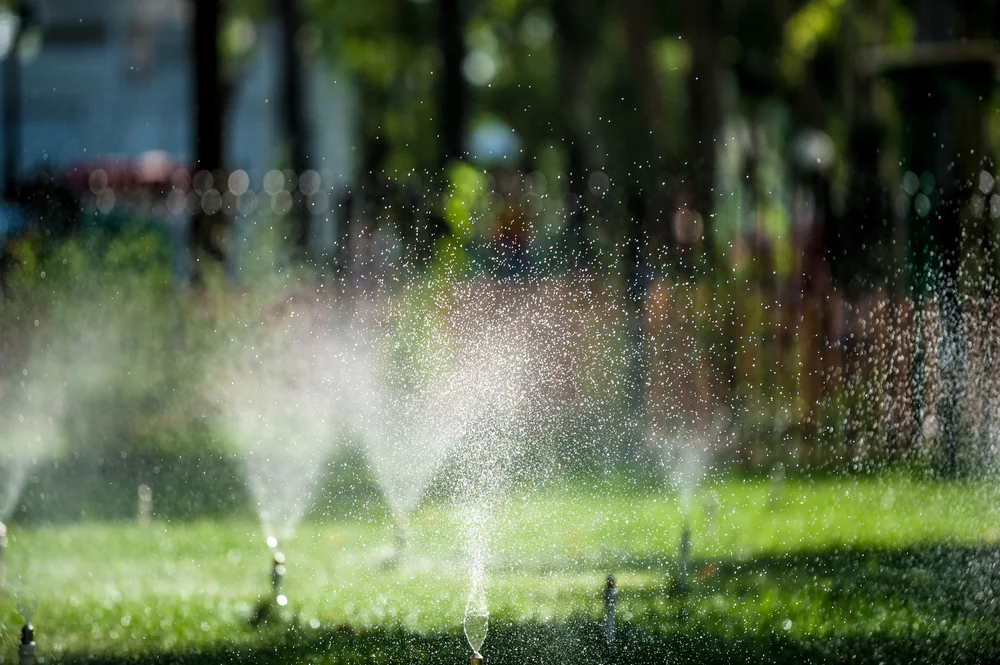
Sprinkler System Maintenance in Atlantis, FL
Stop Wasting Water and Money on a Broken System
Your sprinkler system should work without you thinking about it. When it doesn’t, you’re looking at dead grass, flooded driveways, and water bills that make no sense.
- Licensed & insured
- Serving since 2008
- Free on-site estimates
Reviews
What homeowners in Atlantis say
Real reviews from Palm Beach County customers — see why neighbors trust us with their sprinkler systems.
Lawn Sprinkler Maintenance Atlantis Residents Trust
What Happens When Your System Actually Works Right
You stop second-guessing whether your lawn is getting enough water. You’re not out there adjusting heads every weekend or calling for emergency repairs during the hottest months.
Your water bill drops because nothing’s leaking, overspray isn’t hitting the driveway, and your zones are running on schedules that make sense for Florida’s climate. Your grass stays green without you babysitting the timer or wondering why one section always looks like it’s dying.
Regular irrigation maintenance means fewer surprises. Clogged nozzles get cleared before they kill your landscaping. Broken heads get replaced before they flood your yard. Controllers get adjusted so you’re not watering during a rainstorm or leaving sections bone-dry in July.
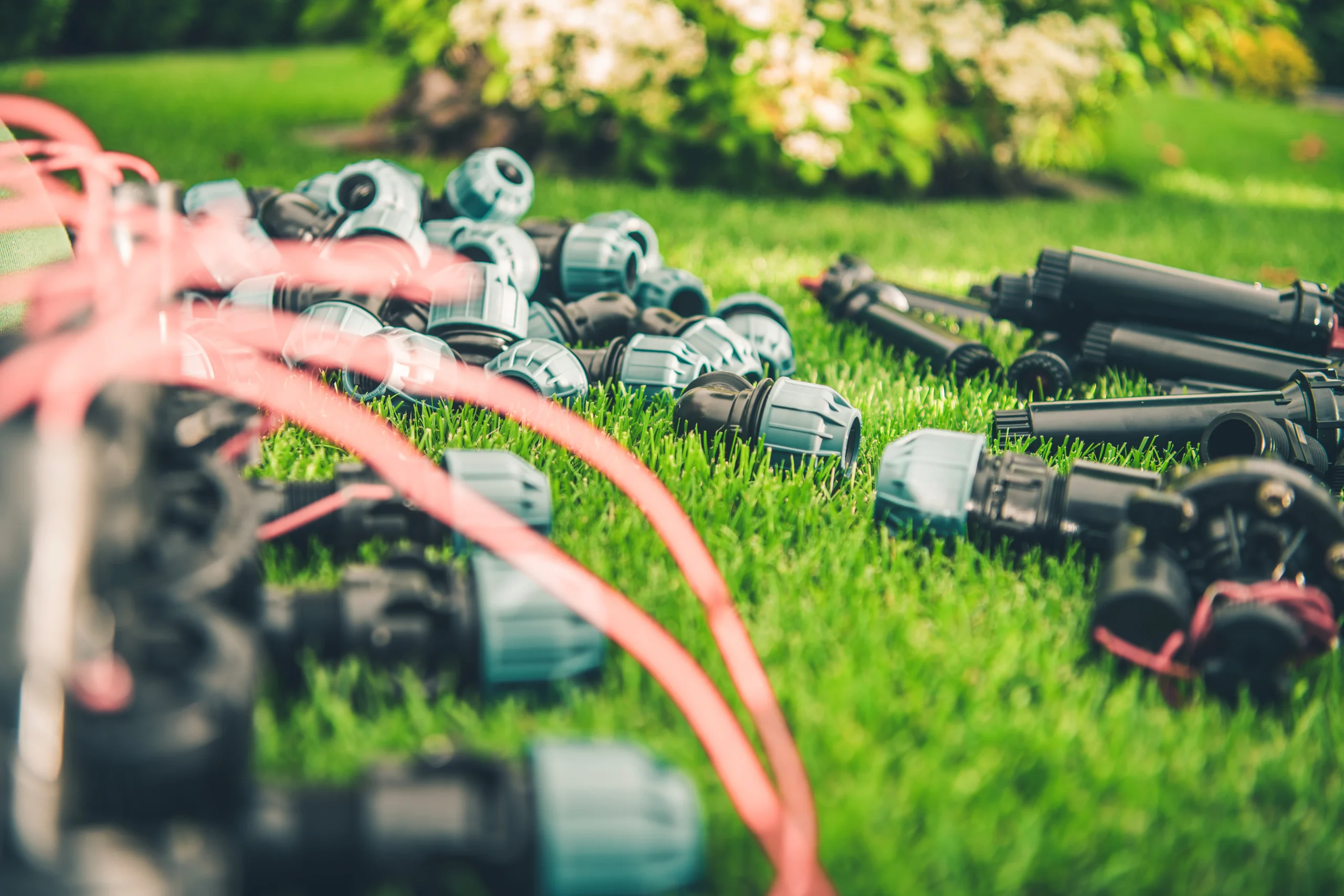
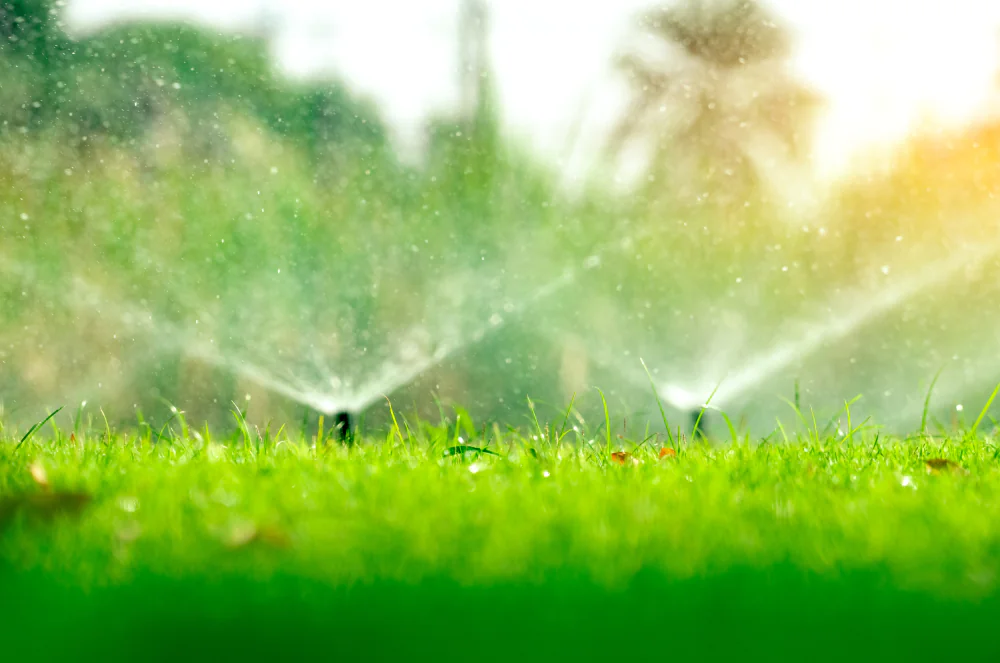
Sprinkler System Repair Experts in Atlantis
We’ve Seen Every Failure Your System Can Throw
We’ve been fixing and maintaining irrigation systems across Atlantis, FL and Palm Beach County, FL for years. We know what breaks first in Florida’s heat and humidity, and we know what actually prevents those failures.
Most companies show up, replace a head, and leave. We look at the whole system because one broken sprinkler usually means something else is about to go. Sandy soil shifts pipes. Tropical storms fry controllers. High humidity corrodes electrical connections.
You’re not hiring someone who just learned irrigation last year. You’re getting a Rain Bird certified team that’s handled commercial properties and residential lawns across Atlantis, and we respond fast when something goes wrong.
Free, no-pressure estimate
Ready for a healthier lawn in Atlantis?
Tell us what your system is doing and a local Palm Beach County team member will get right back to you, usually within one business day.
Our Sprinkler System Inspection Process
Here’s What Actually Happens During Maintenance
We start by running every zone while we’re on-site. That’s the only way to see what’s actually happening when water’s moving through your system. We’re checking for leaks, misdirected spray, low pressure, and heads that aren’t popping up.
Next, we inspect your controller settings. Most people set their timer once and never touch it again, which means you’re watering the same in January as you do in August. We adjust run times and schedules based on current weather, your soil type, and what your grass actually needs right now.
Then we clean or replace clogged nozzles, straighten tilted heads, fix leaks, and clear any obstructions from plant growth. If something’s about to fail, we’ll tell you before it becomes an emergency. You’ll know what needs fixing now and what can wait.
After everything’s dialed in, we test the system one more time to make sure coverage is even and nothing’s being wasted. You get a system that works the way it’s supposed to.
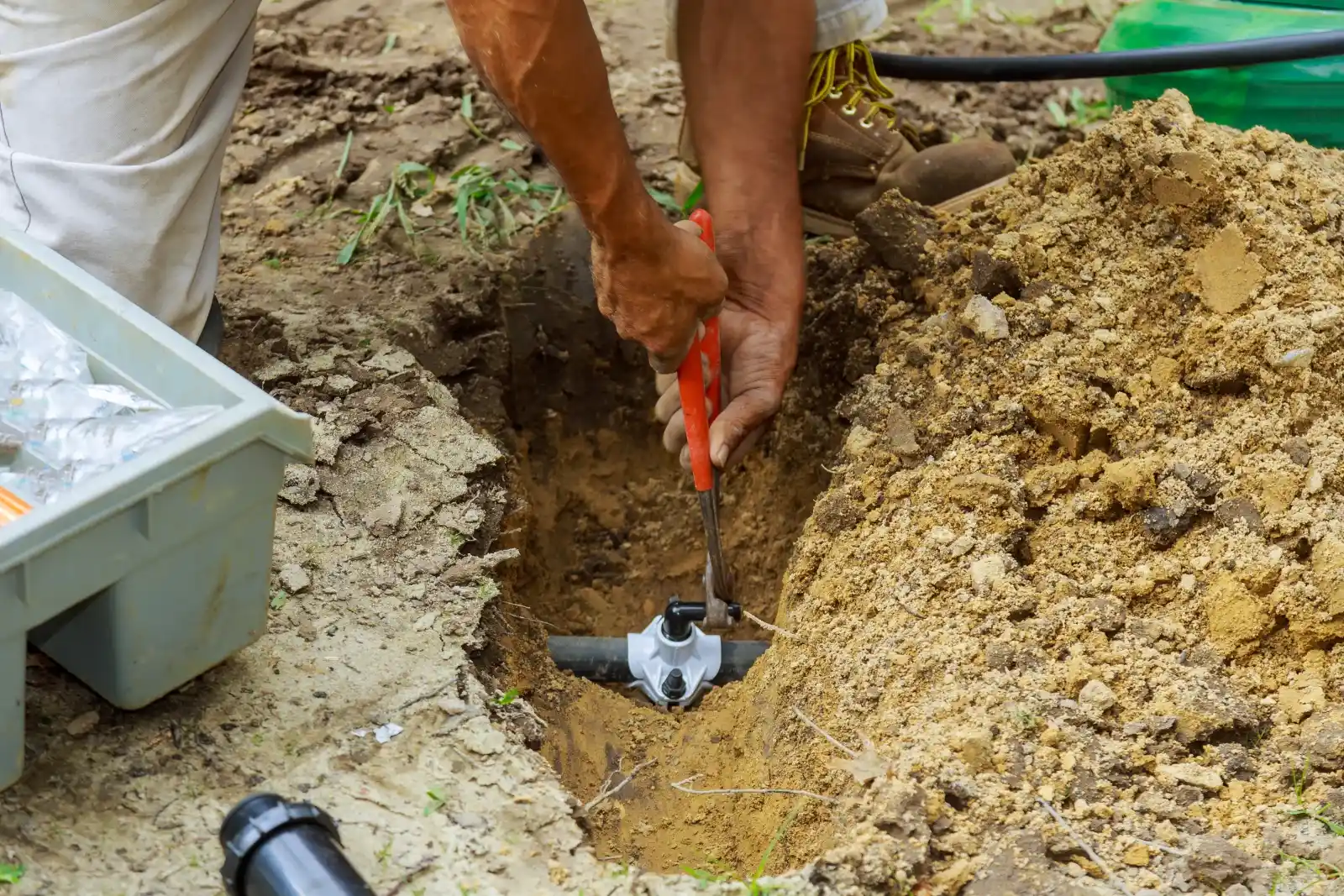
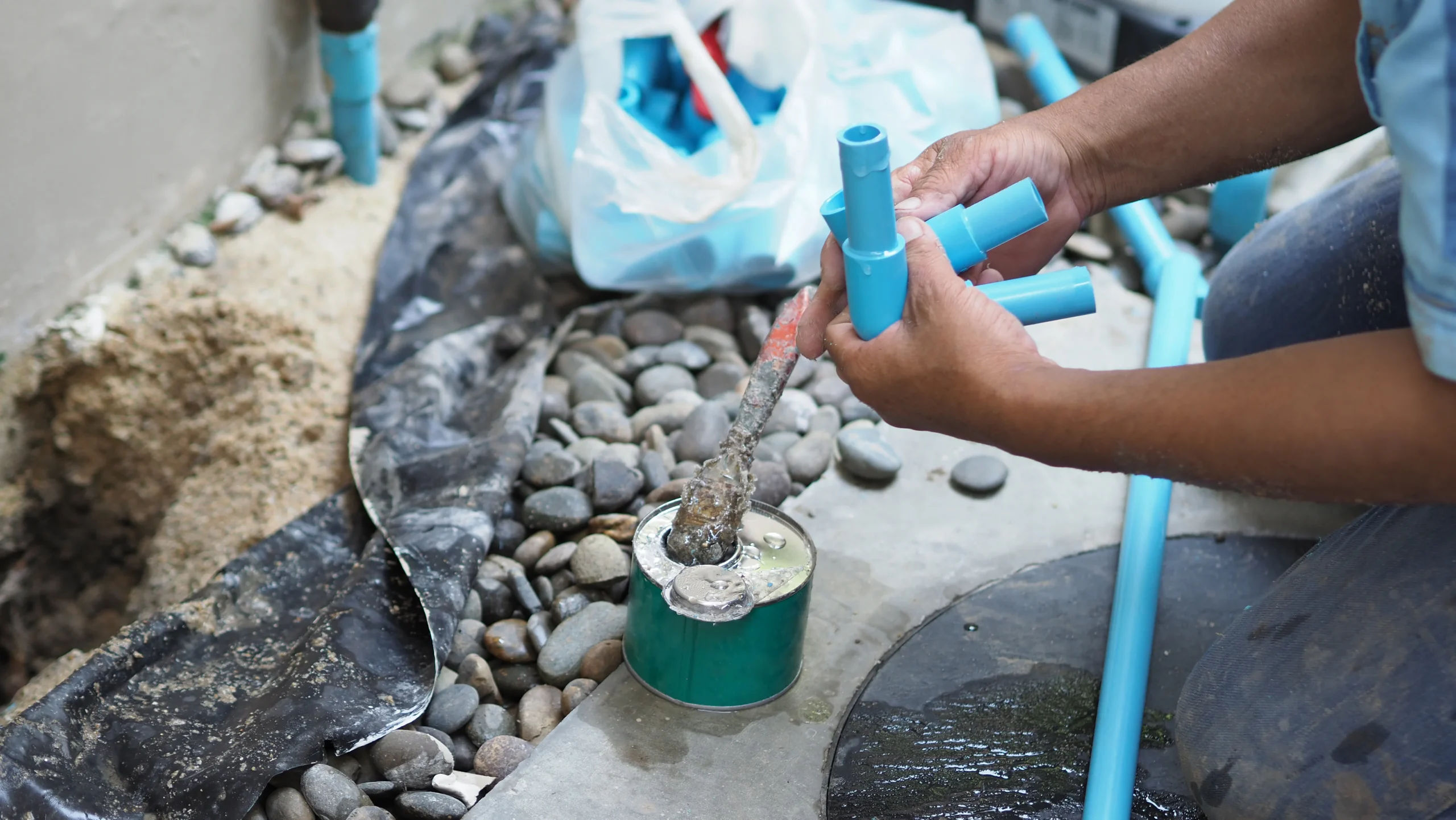
Irrigation System Maintenance Services Atlantis, FL
What’s Included When We Service Your System
Every maintenance visit covers a full system inspection, zone-by-zone testing, and adjustments to your controller. We’re not just looking at what’s broken today. We’re catching what’s about to break next month.
In Atlantis, FL, your irrigation system deals with challenges most other places don’t see. Tropical storms knock sensors offline. Intense summer heat cracks plastic components. Year-round growing seasons mean your system never gets a break, and Florida law requires rain sensors on any automatic system installed after 1991we make sure yours actually works.
We clear debris from nozzles, adjust spray patterns so you’re not watering sidewalks, and check for leaks that waste thousands of gallons before you even notice. If your system uses a smart controller, we verify it’s pulling accurate weather data and adjusting schedules properly. Older systems get manual adjustments based on seasonal needs.
You’ll also get a rundown of anything that needs attention. Worn valve diaphragms, corroded wiring, heads sinking into the groundwe’ll tell you what matters and what doesn’t.
Sprinkler FAQ
Questions homeowners in Atlantis ask us
How often should I schedule sprinkler system maintenance in Atlantis?
Twice a year is the standardonce before summer heat hits and once before winter. Florida doesn’t have a true off-season for irrigation, so your system runs harder than it would in most climates.
A spring check catches anything that broke over the cooler months and gets your system ready for the heavy demand of summer. A fall inspection adjusts everything back down as temperatures drop and rainfall picks up. Skipping these means small problems turn into expensive failures right when you need your system most.
If you’ve got a larger property, older equipment, or you’ve noticed uneven watering, you might want quarterly checks. But for most residential systems in Atlantis, FL, two visits a year keeps things running without major issues.
What are the most common sprinkler problems in Atlantis?
Clogged nozzles are at the top. Sand and debris in the water supply get stuck in small openings, and suddenly half your heads aren’t spraying right. You’ll see dry patches or weak spray patterns.
Leaking valves are next. They waste water even when the system’s off, and you won’t always see it because it’s underground. Your water bill will tell you something’s wrong before your lawn does. Broken or tilted sprinkler heads happen constantlylawn mowers, foot traffic, settling soil. One tilted head means you’re watering your driveway instead of your grass.
Controller issues are huge in Florida. Humidity and power surges from storms fry circuits. Rain sensors stop working, so your system runs during a downpour. If your controller’s more than a few years old and acting weird, it’s probably not worth troubleshootingit needs replacing.
Can regular maintenance really lower my water bill?
Yes, and sometimes dramatically. One leaking valve or cracked pipe can waste over 100,000 gallons a month. Even smaller issues add upmisdirected spray, zones running too long, broken nozzles dumping water where it doesn’t belong.
When we adjust your controller to match actual weather and soil conditions, you’re not overwatering just because that’s what the timer’s been set to for three years. Smart controllers can cut outdoor water use by 20 to 40 percent without hurting your lawn. Older systems benefit just as much from manual seasonal adjustments.
You’re also avoiding the emergency repair costs that come from ignoring maintenance. A $200 service visit twice a year is a lot cheaper than replacing a destroyed pump or re-sodding half your yard because the system failed during a dry spell.
What happens if I skip maintenance and just call when something breaks?
You’ll pay more in the long run, and your lawn suffers while you wait for repairs. Irrigation problems don’t announce themselves politely. A valve fails, and by the time you notice the dead grass, the damage is done.
Emergency repairs during peak season cost more and take longer to schedule. Everyone’s system is under stress in July, so you’re competing for service slots. If you’re a commercial property, downtime means your landscaping looks terrible right when clients and customers are seeing it.
Skipping maintenance also means you’re running an inefficient system. Clogged nozzles, bad coverage, controllers set wrongall of that wastes water and money every single day. You’re paying for problems you don’t even know exist yet.
Plus, wear items that could’ve been replaced during a routine visit turn into bigger failures. A worn valve diaphragm becomes a full valve replacement. A small leak becomes a washed-out trench in your yard.
Do you service both residential and commercial irrigation systems?
Yes. Residential systems in Atlantis typically need straightforward maintenancecheck the zones, clean the heads, adjust the timer. We handle those fast and keep your yard looking right without wasting your time.
Commercial properties are different. Larger systems, more zones, higher stakes if something goes wrong. We’ve worked on commercial landscapes across Palm Beach County, FL, and we know what property managers and business owners needfast response times, minimal disruption, and systems that work reliably so the landscaping doesn’t become a problem.
We usually respond to commercial calls within 24 hours, often same-day if it’s urgent. Our trucks carry the parts and tools to handle most repairs on the spot. For commercial clients, we can set up seasonal maintenance schedules that keep your system in shape year-round without you having to think about it.
What should I do if my sprinkler system won’t turn on?
First, check your controller. Make sure it’s plugged in, the display’s working, and it’s not in “off” or “rain delay” mode. Sounds basic, but it’s the most common issue. If there was a recent storm, the breaker might’ve trippedcheck your electrical panel.
Next, look at your backflow preventer and main shutoff valve. If someone did yard work or plumbing recently, valves sometimes get turned off and forgotten. Make sure water’s actually flowing to the system.
If the controller’s on, power’s good, and valves are open, you’ve likely got a wiring issue, a blown fuse in the controller, or a bad solenoid on one of your valves. That’s when you call us. Don’t start pulling wires or digging up valve boxes unless you know what you’re doingyou’ll make it worse and more expensive to fix.
Serving Atlantis
Your local sprinkler team in Atlantis
Find us on the map, explore helpful local resources, and see every sprinkler service we offer right here in Atlantis.
Helpful local resources
- Find us on Google MapsOpen A Atlantis, FL Map
- Local weather forecastView The Current Weather In Atlantis, FL
- About AtlantisAtlantis, FL is located in Palm Beach County, FL in Florida State
- Nearby post officeFind The Atlantis, FL USPS
- Nearby pharmacyLocate Nearby Atlantis, FL Pharmacies
Free, no-pressure estimate
Get your free sprinkler estimate in Atlantis
Tell us what your system is doing and a local Palm Beach County technician will get right back to you — usually within one business day.
- Licensed & insured Florida contractors
- Serving Atlantis since 2008
- Upfront pricing — no hidden fees, no pressure
Request your free estimate