
Sprinkler System Maintenance in Cloud Lake, FL
Your Lawn Stays Green Without the Water Bill Shock
Regular maintenance catches leaks early, adjusts for Florida’s seasons, and keeps your irrigation running efficiently so you’re not wasting water or money.
- Licensed & insured
- Serving since 2008
- Free on-site estimates
Reviews
What homeowners in Cloud Lake say
Real reviews from Palm Beach County customers — see why neighbors trust us with their sprinkler systems.
Irrigation Maintenance Services in Cloud Lake
What Happens When Your System Actually Works Right
You stop finding surprise puddles in your yard. Your water bill drops back to normal because hidden leaks get caught before they waste thousands of gallons. Your lawn gets the right amount of water at the right times, so you’re not dealing with brown patches in May or fungus problems in August.
Regular sprinkler maintenance means your controller gets adjusted when Florida swings from dry season to rainy season. Your heads get cleaned before clogs turn into dead zones. Valves get checked before they stick open and flood your driveway at 3 a.m.
Most repairs we do could’ve been prevented if someone had looked at the system six months earlier. That’s what maintenance does. It finds the small stuff before it becomes expensive, inconvenient, or damaging to the landscape you’ve invested in.
Cloud Lake Sprinkler Repair Experts
We’ve Seen Every Problem Florida Can Throw
We’ve been keeping lawns green across Palm Beach County, FL since 2008. That means we’ve dealt with Cloud Lake’s sandy soil shifts, the salt spray that corrodes coastal valves, and the intense summer storms that erode trenches and damage equipment.
Other contractors call us when they’re stumped. We’re the ones who know how to fix the weird problems, not just the obvious ones. And we back our work with a one-year guarantee on all repairs, not the typical 30-day warranty you’ll find elsewhere.
You’re not getting a crew that just learned irrigation last year. You’re getting technicians who understand how Florida’s climate affects your system and what it takes to keep it running in this environment.
Free, no-pressure estimate
Ready for a healthier lawn in Cloud Lake?
Tell us what your system is doing and a local Palm Beach County team member will get right back to you, usually within one business day.
Our Sprinkler System Inspection Process
Here’s Exactly What We Check and Why
We start by manually running through every zone in your system. That means walking your property while each section runs, watching for heads that don’t pop up, spray patterns that hit the sidewalk instead of the grass, and pressure issues that signal valve problems.
We check your controller settings against what your lawn actually needs right now. Most systems we see are set to water like it’s April when it’s really October, or they’re running too many cycles because someone changed the schedule two years ago and never adjusted it back.
Then we test each valve for leaks, check sprinkler heads for clogs or damage, and look for signs of problems developing. A valve that’s starting to stick, a head that’s tilting because the soil settled, a section that’s getting too much pressure. We find it, explain what’s happening, and tell you what it’ll take to fix it.
You get a clear picture of your system’s health and what needs attention now versus what can wait. No surprises, no upselling, just honest assessment from people who know what they’re looking at.
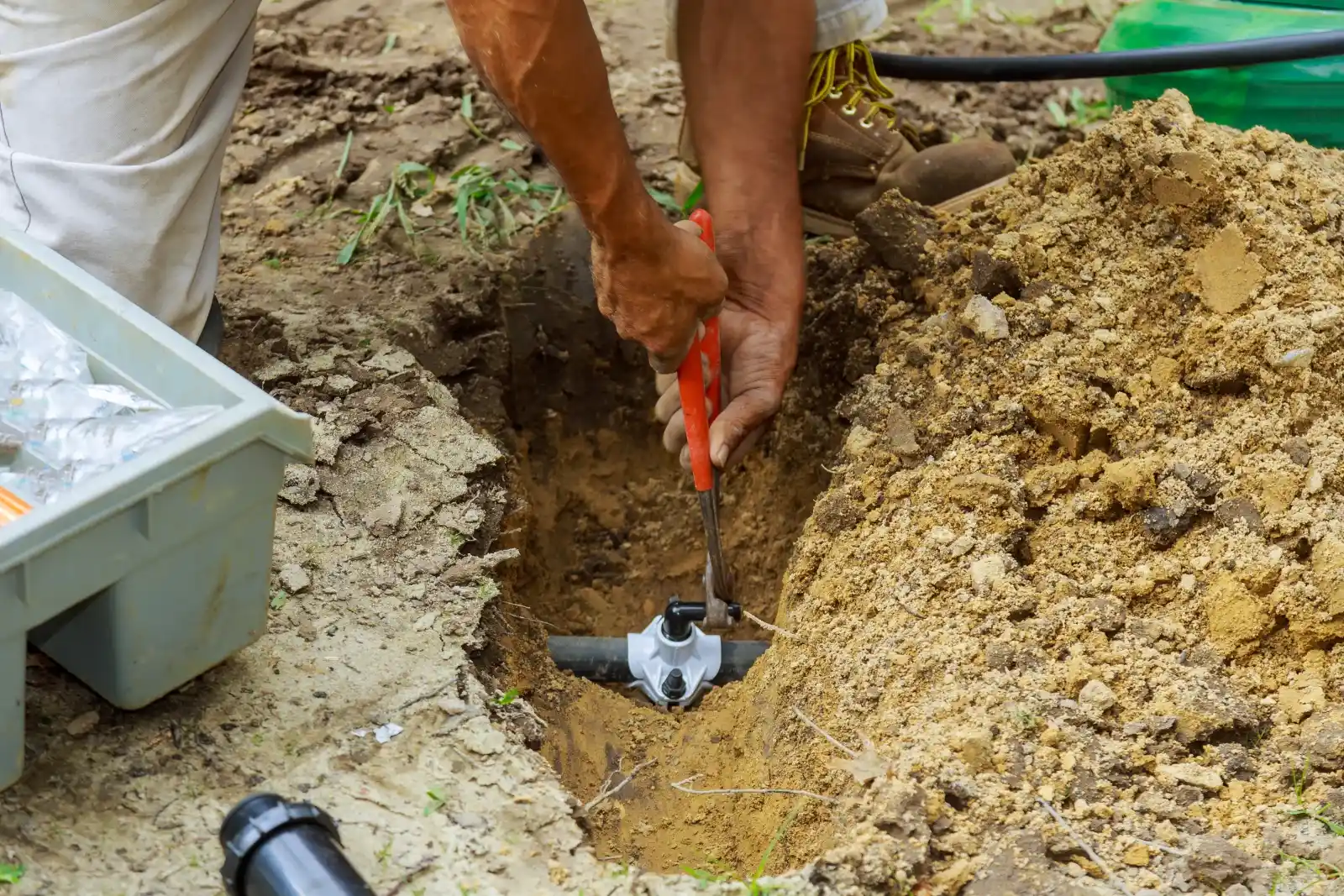
Lawn Sprinkler System Maintenance in Cloud Lake
What’s Actually Included in Regular Maintenance
Your system gets a full inspection every time we come out. We’re checking valve operation, testing each zone, cleaning clogged nozzles, adjusting heads that have shifted, and making sure your timer settings match the current season.
In Cloud Lake and the rest of Palm Beach County, FL, your irrigation system works harder than systems up north. Florida’s sandy soil shifts around pipes. Summer heat and humidity create different demands than winter’s dry season. Your system needs adjustments throughout the year, not just a spring tune-up.
We’re also looking at water efficiency. A system that’s wasting water costs you money every month. We check for overspray hitting pavement, heads watering at the wrong time of day, and zones running longer than they should. Small adjustments add up to real savings on your water bill.
Most of our maintenance visits take under two hours. We fix minor issues on the spot and let you know if anything bigger needs attention. You’re not waiting weeks for a follow-up appointment to replace a $12 sprinkler head.
Sprinkler FAQ
Questions homeowners in Cloud Lake ask us
How often should I schedule sprinkler system maintenance in Cloud Lake?
Most Cloud Lake properties need professional maintenance every three to six months. Florida’s climate is demanding, and systems here work year-round, unlike northern states where irrigation shuts down for winter.
If you’re in an area with heavy salt spray or you’ve got an older system, quarterly checks make sense. Newer systems in less harsh conditions can often go six months between visits. But skipping maintenance entirely means you’re gambling that nothing breaks during the hottest, driest stretch of the year when your lawn needs water most.
The cost of a maintenance visit is typically $100-$200. Compare that to emergency repairs that can run $500+ when a valve fails and floods your yard overnight, or the cumulative cost of a slow leak wasting water for months before you notice.
What are the most common problems you find during maintenance visits?
Clogged nozzles are everywhere. Dirt, debris, and mineral deposits build up and restrict water flow. You end up with brown spots because that section isn’t getting enough water, and you probably just keep running the system longer, wasting water on the zones that are working fine.
We also see a lot of heads that have tilted or sunk as the sandy soil settles. They’re watering the side of your house or the street instead of your lawn. Valves start to stick or leak as diaphragms wear out. Controllers get set wrong for the season, so people are watering like it’s May when it’s actually November.
The thing about these problems is they’re easy to fix when you catch them early. A clogged head takes two minutes to clean. But if you don’t catch it, you’re looking at dead grass, possible re-sodding, and months of higher water bills trying to compensate.
Can regular maintenance really lower my water bill?
Yes, and sometimes dramatically. We’ve found leaks that were wasting hundreds of gallons per day. At Cloud Lake water rates, that adds up fast.
But it’s not just leaks. Most systems we inspect are set to run more than they need to. Controllers programmed for dry season that never got adjusted when the rains came. Zones running twice as long as necessary because someone bumped the settings. Heads spraying the driveway because they’ve shifted over time.
Florida homeowners use up to 50% of their total water consumption on irrigation. When your system isn’t optimized, you’re literally pouring money onto the ground. Regular maintenance means your system delivers the right amount of water where it’s actually needed, nothing more. That efficiency shows up on your bill every month.
What happens if you find a problem during a maintenance visit?
For minor issues, we fix them right then. Cleaning a clogged head, adjusting a tilted sprinkler, replacing a worn nozzle—that stuff gets handled during the maintenance visit. You’re not paying extra or waiting for another appointment.
If we find something bigger, like a valve that needs replacement or a section of damaged pipe, we’ll explain what’s wrong, why it matters, and what it’ll cost to fix. You decide if you want it handled immediately or if you want to schedule it for later.
We’re not in the business of creating emergencies. If something can wait a few weeks without damaging your lawn, we’ll tell you that. If it needs attention now to prevent bigger problems, we’ll tell you that too. You get honest assessment and clear options, then you make the call.
Do I still need maintenance if my system seems to be working fine?
That’s exactly when you need maintenance. Systems don’t go from “working fine” to “completely broken” overnight. They develop small problems that gradually get worse.
A valve starts leaking a little. You don’t notice because it’s underground. Six months later, it’s wasting 50 gallons a day and your water bill has crept up, but you figure rates just increased. A year later, the valve fails completely and you’ve got a geyser in your yard.
Or your controller settings drift out of sync with the seasons. Your lawn looks okay because Florida gets enough rain to compensate in summer. But you’re running your system way more than needed, wasting water and money for months before you realize something’s off.
Maintenance catches these developing problems while they’re still cheap and easy to fix. It’s not about fixing broken systems. It’s about keeping working systems from breaking in the first place.
What makes Florida sprinkler maintenance different from other states?
Florida systems run year-round, so they wear out faster. You don’t get a winter break where everything shuts down and rests. That means more wear on valves, more buildup in nozzles, and more opportunities for things to go wrong.
The climate here is also harder on equipment. Salt spray corrodes metal components if you’re anywhere near the coast. Sandy soil shifts and settles, moving pipes and tilting heads. Summer storms erode trenches and expose lines. The swing from dry season to rainy season means your controller needs significant adjustments twice a year, not just a spring tune-up.
And then there’s the water itself. Depending on your source, you might be dealing with mineral content that clogs nozzles faster than it would up north. All of this means Florida irrigation systems need more frequent, more thorough maintenance than systems in other parts of the country. It’s not optional if you want your system to last and your lawn to stay healthy.
Serving Cloud Lake
Your local sprinkler team in Cloud Lake
Find us on the map, explore helpful local resources, and see every sprinkler service we offer right here in Cloud Lake.
Helpful local resources
- Find us on Google MapsOpen A Cloud Lake, FL Map
- Local weather forecastView The Current Weather In Cloud Lake, FL
- About Cloud LakeCloud Lake, FL is located in Palm Beach County, FL in Florida State
- Nearby post officeFind The Cloud Lake, FL USPS
- Nearby pharmacyLocate Nearby Cloud Lake, FL Pharmacies
Other sprinkler services in Cloud Lake
Free, no-pressure estimate
Get your free sprinkler estimate in Cloud Lake
Tell us what your system is doing and a local Palm Beach County technician will get right back to you — usually within one business day.
- Licensed & insured Florida contractors
- Serving Cloud Lake since 2008
- Upfront pricing — no hidden fees, no pressure
Request your free estimate