
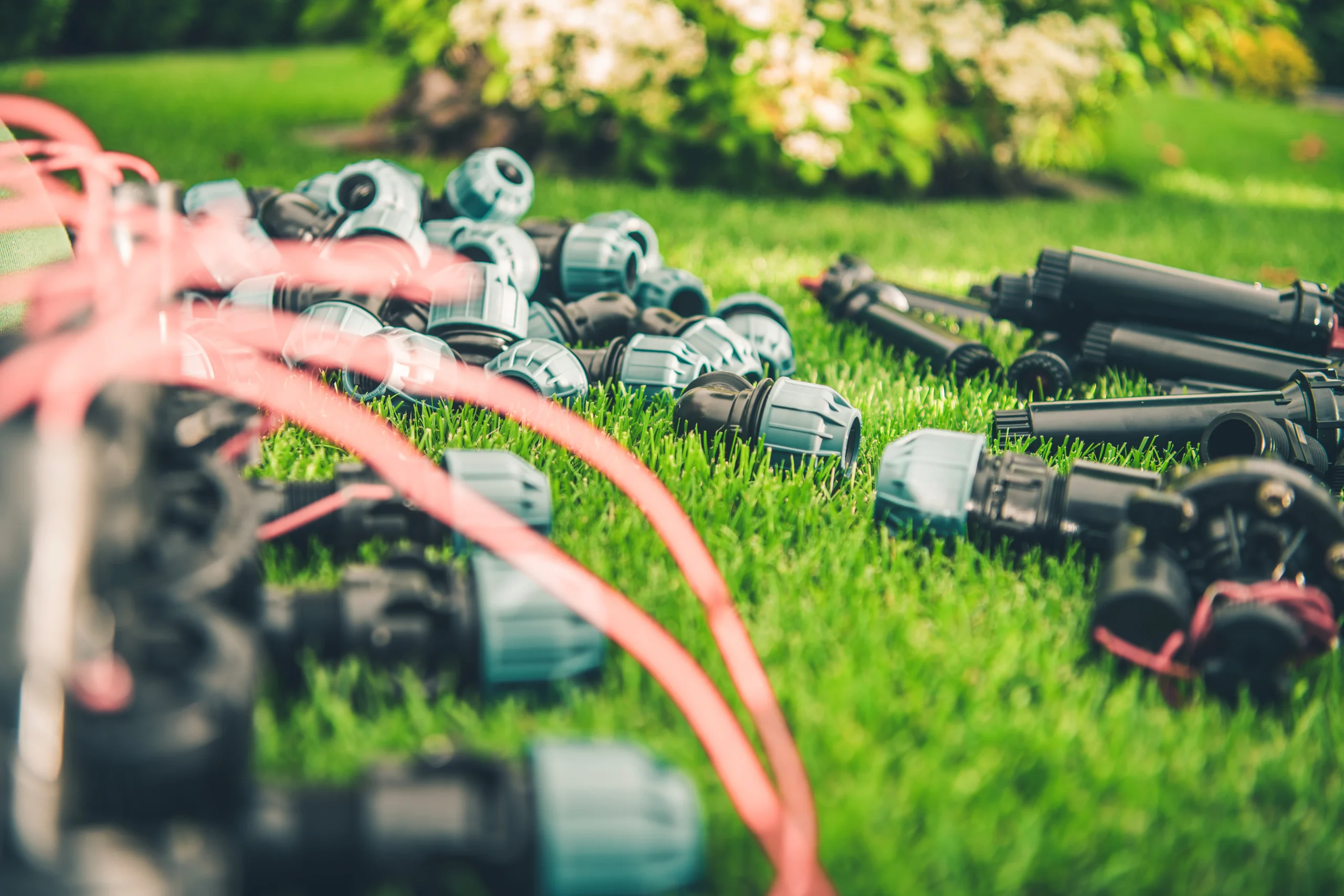
Sprinkler System Maintenance in Gulf Stream, FL
Your Lawn Stays Green Without the Guesswork
Regular maintenance catches the small problems before they turn into expensive emergencies, keeping your system running efficiently year-round.
- Licensed & insured
- Serving since 2008
- Free on-site estimates
Reviews
What homeowners in Gulf Stream say
Real reviews from Palm Beach County customers — see why neighbors trust us with their sprinkler systems.
Irrigation System Maintenance Gulf Stream
Lower Water Bills and Fewer Emergency Calls
You’re not thinking about your sprinkler system until something goes wrong. A zone stops working in July. Your water bill doubles for no clear reason. Half the lawn is soaked while the other half turns brown.
Regular sprinkler maintenance fixes these problems before they start. We check every zone, test water pressure, inspect valves and controllers, and adjust coverage so water goes exactly where it needs to. You get even coverage across your entire property without dry spots or flooding.
Most homeowners spend $300 to $500 on emergency repairs during peak season. Quarterly maintenance runs around $85 and catches those issues early. You’re not just saving money on repairs – you’re using less water because the system runs efficiently. In Gulf Stream’s climate, where heat and humidity stress every component, that efficiency matters.
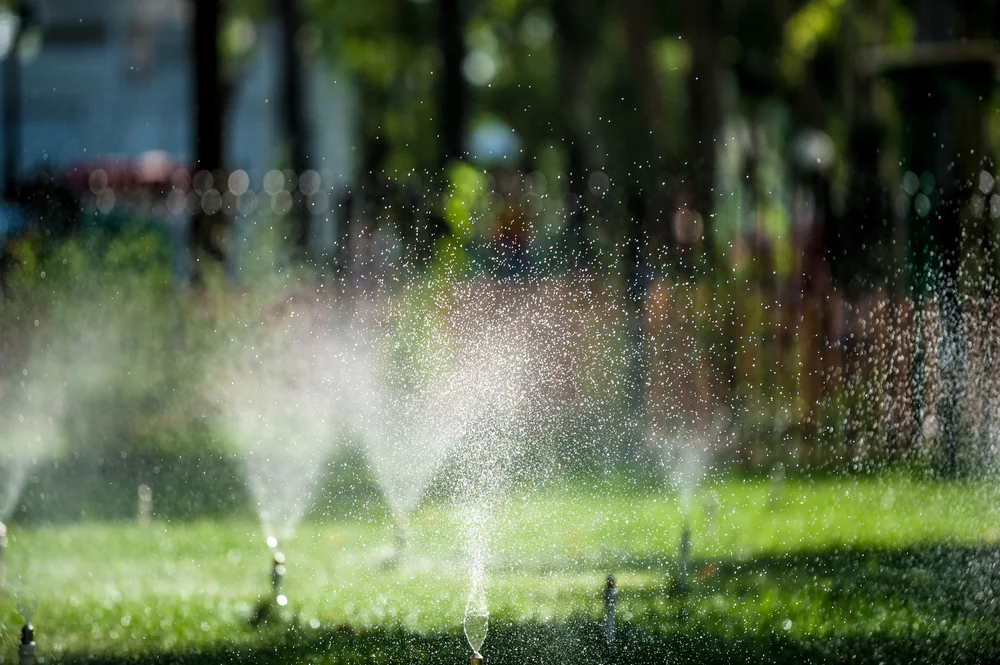
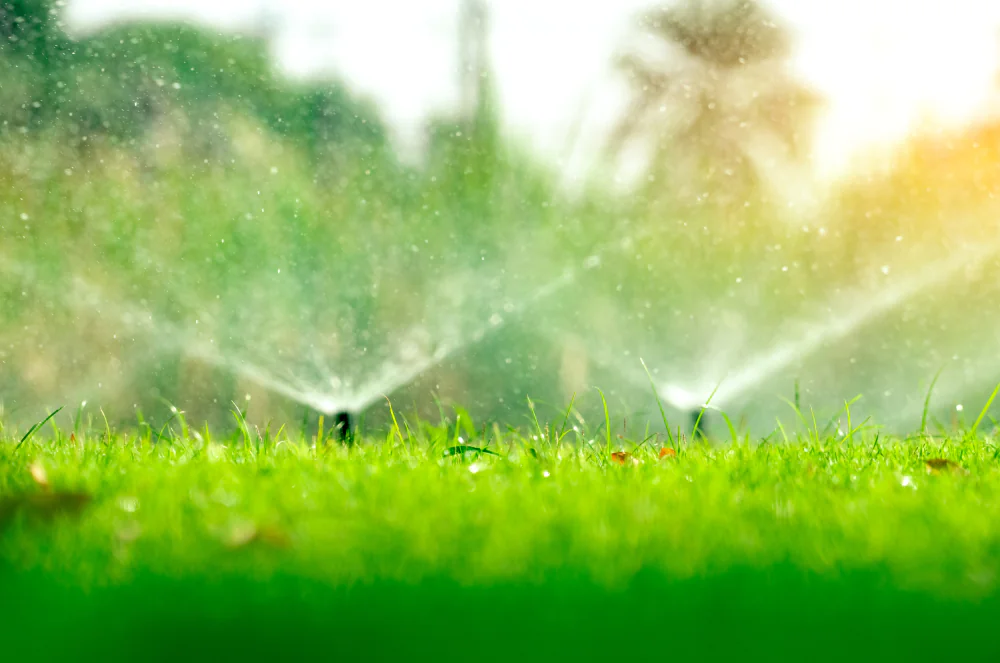
Sprinkler Repair Experts Gulf Stream
We’ve Been Fixing Systems in Palm Beach County, FL Since 2008
We’re the company other contractors call when they can’t figure out what’s wrong. That’s not bragging – it’s just what happens when you’ve spent over 15 years working on irrigation systems in this area.
Gulf Stream properties have specific challenges. The soil drains differently than other parts of Palm Beach County, FL. Salt air corrodes components faster. Tropical storms knock controllers offline. We’ve seen it all, fixed it all, and know exactly what fails first in this climate.
You’re hiring local expertise that understands how Florida weather affects your system. We’re licensed statewide, but we’ve built our reputation right here by showing up when we say we will and fixing problems correctly the first time.
Free, no-pressure estimate
Ready for a healthier lawn in Gulf Stream?
Tell us what your system is doing and a local Palm Beach County team member will get right back to you, usually within one business day.
Lawn Sprinkler System Maintenance Process
Here’s Exactly What Happens During a Maintenance Visit
We start by running every zone individually while watching how each sprinkler head performs. This shows us coverage gaps, clogged nozzles, and pressure problems that aren’t obvious when the system runs on its own schedule.
Next, we check the controller programming to make sure your watering schedule matches current weather patterns and local water restrictions. Many systems are set once and never adjusted, which means you’re either overwatering or underwatering depending on the season. We test rain sensors to confirm they’re actually stopping the system when it rains – a surprising number don’t work.
Then we inspect valves, check for leaks in the lines, and measure water pressure at different points in the system. Low pressure means clogged filters or failing valves. High pressure damages components and wastes water. We adjust everything to the right specifications, replace any worn parts, and test the full system again before we leave. You get a summary of what we found and what we fixed.
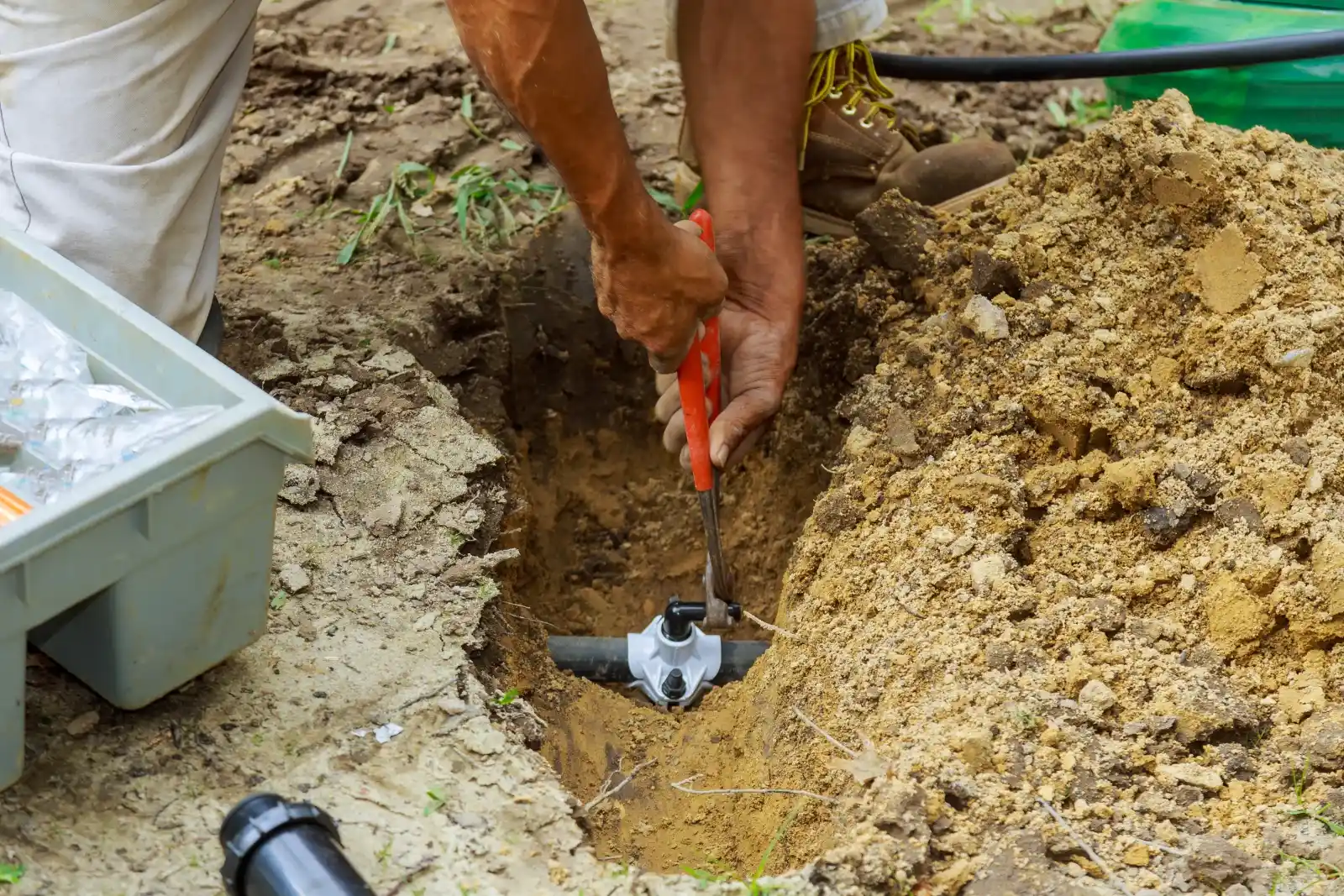
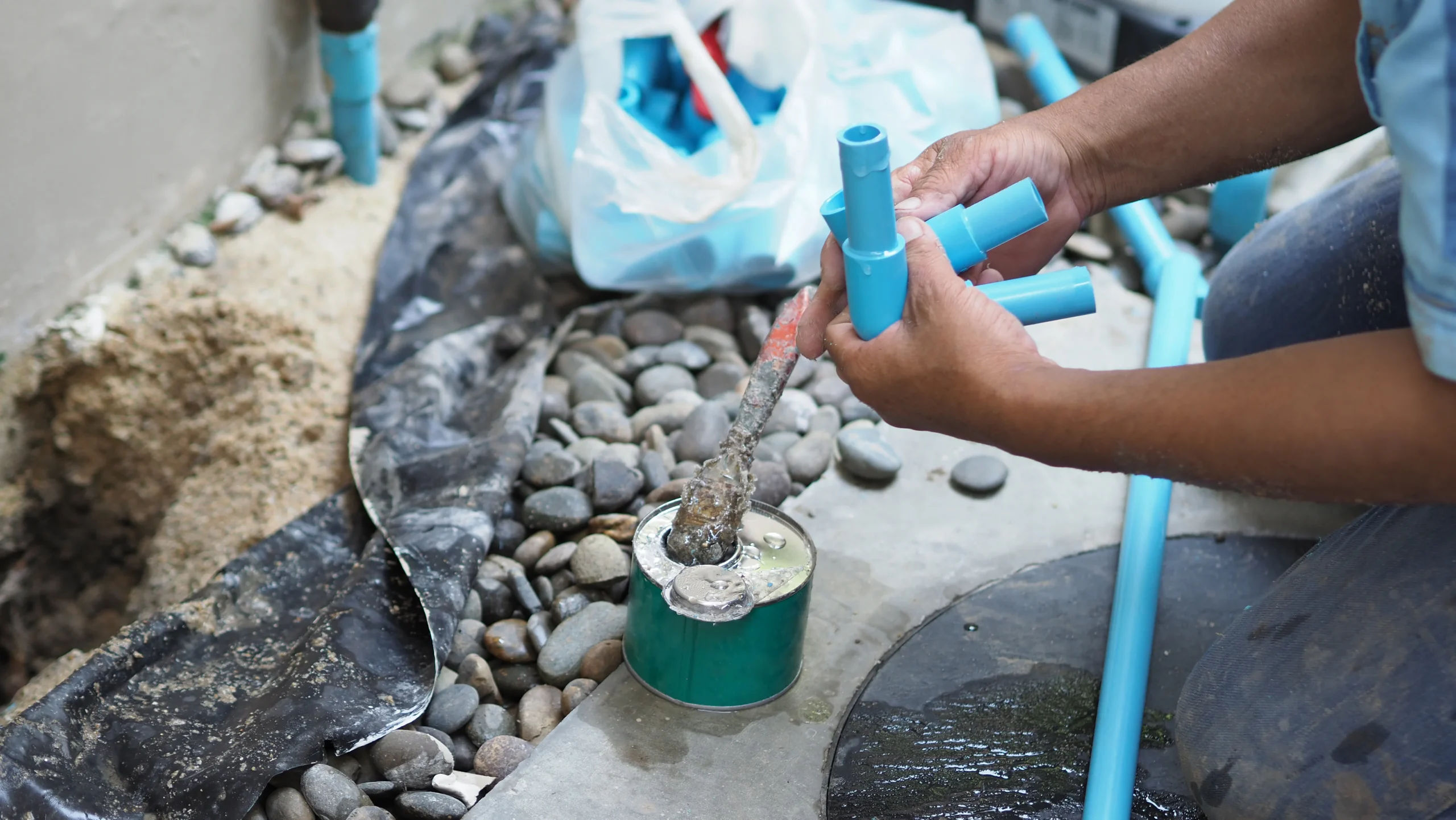
Sprinkler System Inspection Gulf Stream
What’s Actually Included in Regular Maintenance
Every maintenance visit includes a complete system inspection – all zones, all heads, all valves. We’re not just looking at the obvious stuff. We’re checking controller settings, testing backflow preventers, inspecting wiring for corrosion, and making sure automation features work correctly.
You get adjustments to spray patterns so water lands on your lawn instead of the driveway or house. We clean clogged nozzles, straighten tilted heads, and replace any broken components. If your system has a Wi-Fi controller, we verify the connection and make sure you can actually access it remotely.
Gulf Stream’s properties often have mixed landscaping – turf, ornamentals, and garden beds that all need different watering schedules. We make sure each zone delivers the right amount of water for what’s planted there. Ornamentals don’t need the same frequency as turfgrass, but most systems treat everything the same. That’s inefficient and it shows in your landscape.
All repairs come with a one-year guarantee. We use quality parts designed for Florida’s climate, not the cheapest option that’ll fail in six months. The goal is to set up your system so it runs reliably until the next scheduled maintenance.
Sprinkler FAQ
Questions homeowners in Gulf Stream ask us
How often should I schedule sprinkler system maintenance in Gulf Stream?
Quarterly maintenance makes sense for most properties in Gulf Stream. Florida’s climate is hard on irrigation systems – heat, humidity, and tropical storms all create problems that don’t exist in other parts of the country.
A spring check prepares your system for peak summer demand. Summer inspections catch problems when your lawn needs water most. Fall maintenance adjusts for cooler weather and less frequent watering. Winter checks make sure nothing failed during the off-season.
If your property has extensive landscaping or you’re already dealing with uneven coverage, you might need more frequent service initially. Once we get the system dialed in, quarterly visits keep everything running smoothly. Most problems we find during routine maintenance would’ve turned into emergency calls within a few weeks.
What causes my water bill to spike even though nothing looks wrong?
Underground leaks are the most common culprit. A cracked pipe or leaking valve can waste hundreds of gallons without creating an obvious wet spot on the surface, especially in Gulf Stream’s sandy soil where water drains quickly.
The other frequent cause is a controller that’s not shutting zones off properly. The system runs its normal cycle, then keeps running one or more zones continuously. This often happens after a power surge or lightning strike damages the controller – common problems during Florida’s summer storms.
Stuck valves also waste water. The valve is supposed to close when the zone finishes, but it stays partially open and keeps trickling water. You won’t see sprinklers running, but water is flowing constantly. We test every valve during maintenance to catch this before it costs you hundreds in wasted water.
Can you fix uneven watering where some areas are dry and others flood?
Yes, and it’s usually a combination of factors. Mismatched sprinkler heads in the same zone are a big one – different heads put out different amounts of water, so some areas get soaked while others barely get wet. We see this on about 70% of the systems we evaluate.
Water pressure problems also create uneven coverage. If pressure is too low, heads at the end of a zone don’t pop up fully or spray far enough. Too much pressure creates misting and wastes water. We measure pressure throughout the system and adjust it to the right range for your specific heads.
Sometimes the issue is how zones were originally designed. Turf and ornamentals shouldn’t be on the same zone because they need different watering schedules, but we see it constantly. We can reprogram your controller to run zones at different frequencies and durations based on what’s actually planted in each area. That usually solves the problem without replacing any equipment.
What breaks most often on sprinkler systems in this area?
Controllers fail more often in Gulf Stream than in drier climates. High humidity gets into electrical components, and lightning strikes during summer storms fry circuits. We replace more controllers here than any other single component.
Valves are the second most common failure. They’re buried in valve boxes that fill with water during heavy rain, and the solenoids corrode. A failing valve either won’t open (so that zone doesn’t water) or won’t close (so it keeps running and wastes water). Both problems are fixable, but they need attention quickly.
Sprinkler heads break constantly – they get hit by mowers, stepped on, or just wear out from UV exposure. Plastic components get brittle in intense sun and crack. These are quick fixes, but they add up if you’re not catching them during regular inspections. A broken head can wash out your landscaping or flood a section of lawn if it runs like that for weeks.
Do I really need professional maintenance or can I handle this myself?
You can handle basic tasks like adjusting spray patterns or replacing a broken head. But comprehensive maintenance requires testing equipment and knowledge of how systems should perform. Most homeowners don’t have a pressure gauge, valve key, or multimeter to test electrical components.
The bigger issue is knowing what to look for. When we inspect a system, we’re checking things that aren’t obvious – valve response time, controller programming efficiency, backflow preventer function, wire insulation condition. We find problems before they cause visible damage to your lawn or spike your water bill.
DIY repairs also tend to multiply. You fix the obvious problem, but you miss the underlying cause, so something else breaks two weeks later. We’ve seen homeowners spend multiple weekends and several store trips trying to solve an issue we would’ve diagnosed in 20 minutes. Your time has value, and irrigation problems are frustrating when you don’t deal with them every day.
What happens if you find problems during a maintenance visit?
We explain exactly what’s wrong, why it matters, and what it’ll cost to fix. You decide whether to handle it now or later. Some problems need immediate attention – like a valve that’s stuck open and wasting water. Others can wait until the next visit if budget is tight.
Most repairs happen on the spot. We carry common parts – valves, heads, nozzles, wiring – so we can fix typical problems during the same visit. Larger issues like controller replacement or main line repairs might require a follow-up visit if we need to order specific parts.
Everything we repair comes with a one-year guarantee. We test the fix before we leave to make sure it’s working correctly. You get a detailed summary of what we found, what we fixed, and any recommendations for future attention. The goal is transparency – you should know exactly what’s happening with your system and why we’re recommending specific repairs.
Serving Gulf Stream
Your local sprinkler team in Gulf Stream
Find us on the map, explore helpful local resources, and see every sprinkler service we offer right here in Gulf Stream.
Helpful local resources
- Find us on Google MapsOpen A Gulf Stream, FL Map
- Local weather forecastView The Current Weather In Gulf Stream, FL
- About Gulf StreamGulf Stream, FL is located in Palm Beach County, FL in Florida State
- Nearby post officeFind The Gulf Stream, FL USPS
- Nearby pharmacyLocate Nearby Gulf Stream, FL Pharmacies
Other sprinkler services in Gulf Stream
Free, no-pressure estimate
Get your free sprinkler estimate in Gulf Stream
Tell us what your system is doing and a local Palm Beach County technician will get right back to you — usually within one business day.
- Licensed & insured Florida contractors
- Serving Gulf Stream since 2008
- Upfront pricing — no hidden fees, no pressure
Request your free estimate