
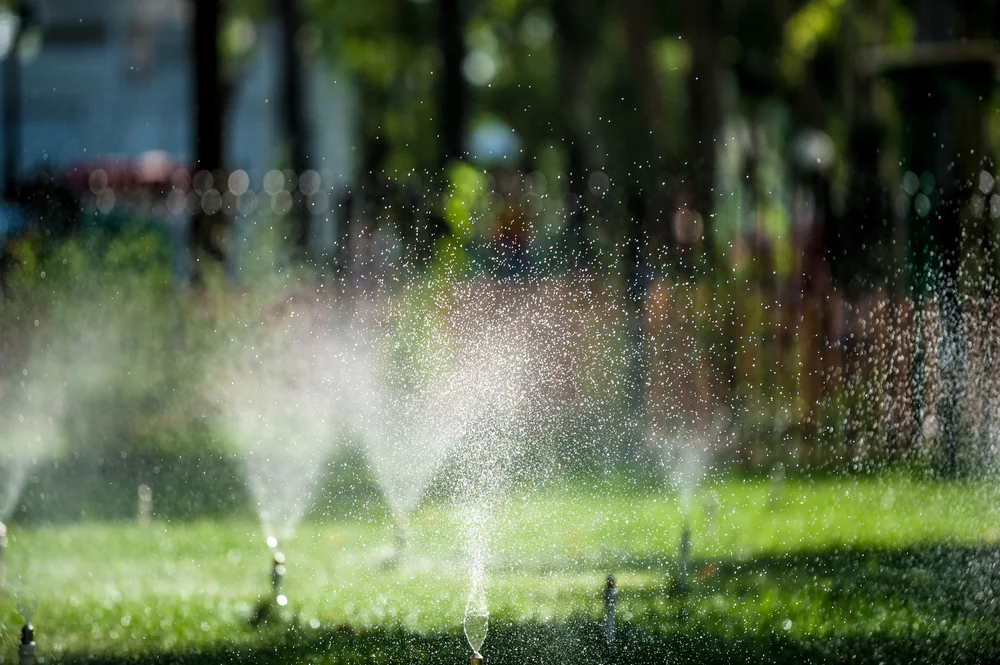
Sprinkler System Maintenance in Juno Beach, FL
Stop Wasting Water and Money on Broken Sprinklers
Your lawn needs water. Your system needs maintenance. We handle both so you can stop worrying about surprise failures and skyrocketing bills.
- Licensed & insured
- Serving since 2008
- Free on-site estimates
Reviews
What homeowners in Juno Beach say
Real reviews from Palm Beach County customers — see why neighbors trust us with their sprinkler systems.
Irrigation System Maintenance in Juno Beach
What Regular Maintenance Actually Gets You
A single leaky pipe wastes over 129,000 gallons per month. That’s not a typo. Most homeowners don’t realize their system is bleeding water until the bill arrives or brown patches start showing up.
Regular sprinkler system maintenance catches those problems before they cost you. We’re talking about cracked lines, stuck valves, clogged nozzles, and misaligned heads that spray your driveway instead of your grass. All fixable. All preventable.
When your irrigation system gets checked consistently, it runs efficiently. Your water bill stays predictable. Your lawn stays green without overwatering. And you’re not scrambling to find someone when a zone stops working in the middle of July.
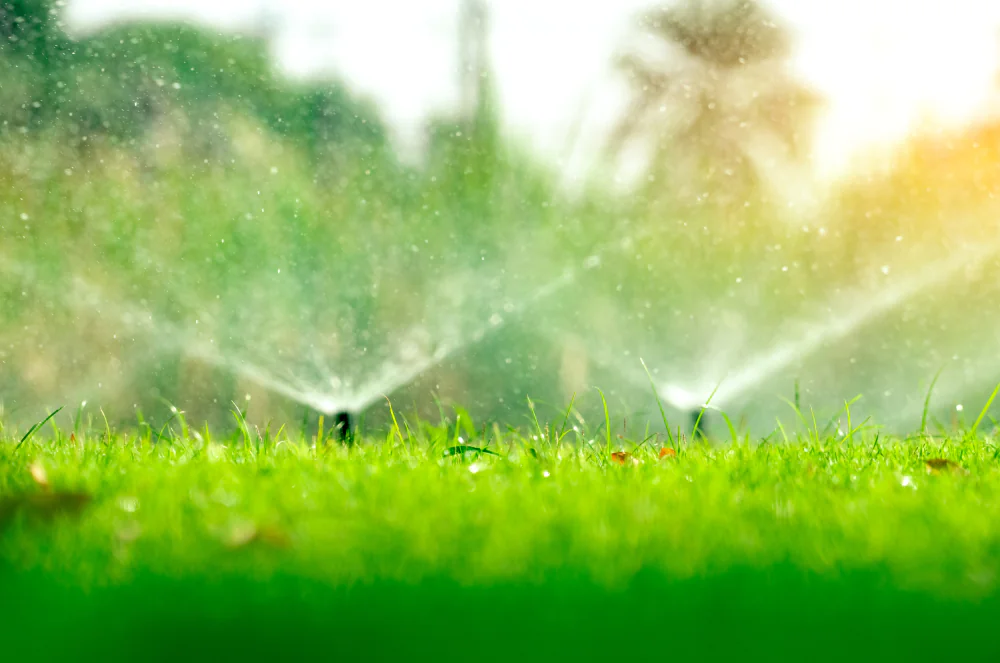
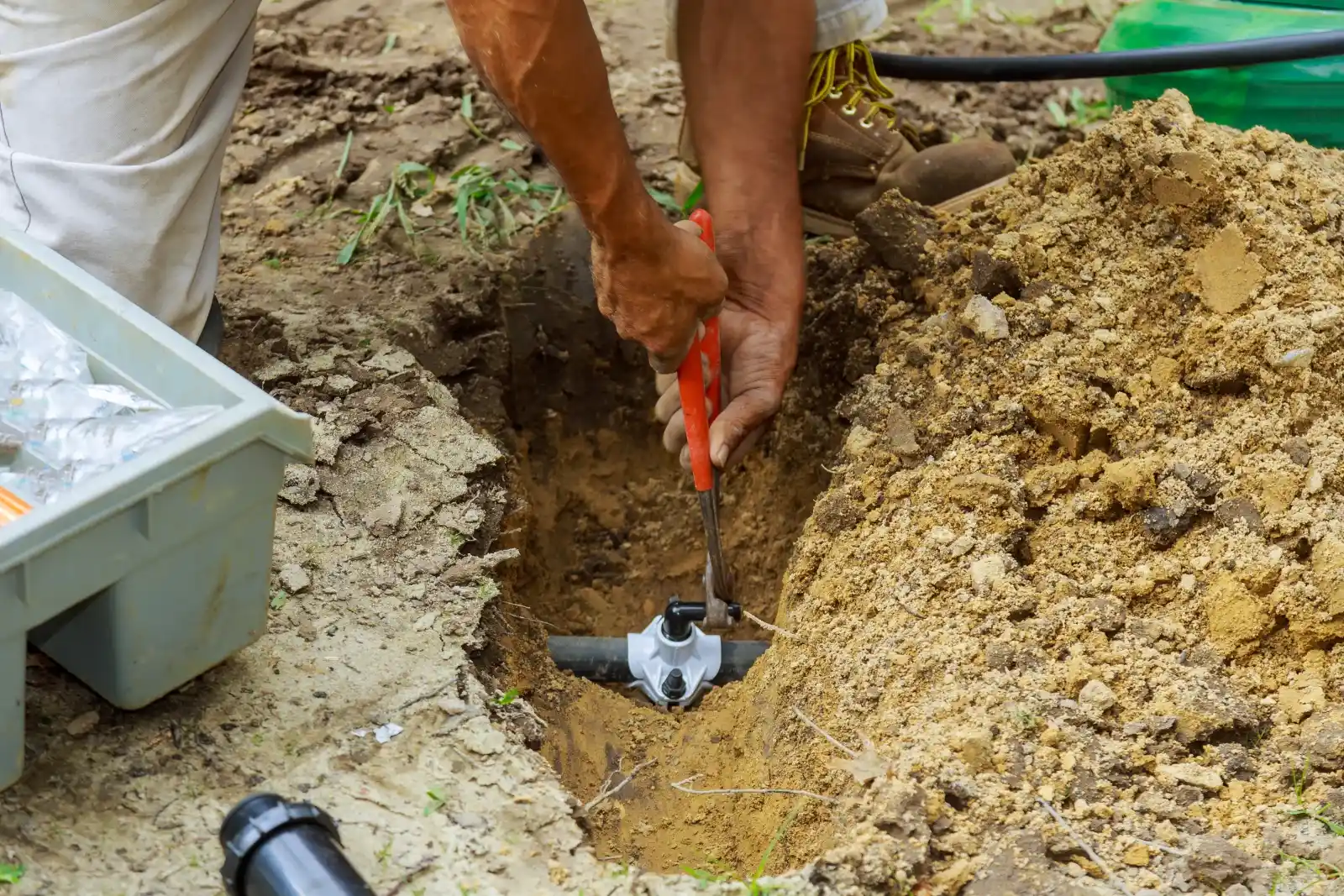
Juno Beach Sprinkler Maintenance Experts
We’ve Been Doing This in Palm Beach County, FL for Years
We work throughout Juno Beach and the surrounding areas, including Jupiter, Palm Beach Gardens, Tequesta, and West Palm Beach. We know what Florida weather does to irrigation systems because we’ve been repairing and maintaining them here for years.
Our team is licensed, insured, and trained specifically for the challenges that come with Florida lawns. High humidity corrodes electrical components. Intense heat cracks plastic fittings. Tropical storms knock controllers offline. We’ve seen it all, and we know how to fix it right the first time.
Every repair comes with a written guarantee. Every service call includes a detailed summary of what we found, what we fixed, and what you should watch. No surprises. No runaround.
Free, no-pressure estimate
Ready for a healthier lawn in Juno Beach?
Tell us what your system is doing and a local Palm Beach County team member will get right back to you, usually within one business day.
How Sprinkler System Inspections Work
Here’s What Happens When We Service Your System
We start by running every zone under pressure. That’s the only way to spot leaks, broken heads, and coverage gaps. While the system’s running, we check each sprinkler head for clogs, cracks, and proper spray pattern.
Next, we adjust heads that have shifted or sunk. We trim grass and weeds that block the spray. We test valves for leaks and make sure your controller is programmed correctly for the season. Florida lawns need different watering schedules in summer versus winter, and most systems are set once and forgotten.
After the inspection, you get a full report. We’ll tell you what’s working, what needs attention now, and what to keep an eye on. If repairs are needed, we explain what’s wrong and why it matters. Then we handle it with quality parts that hold up in Florida’s climate.
If something breaks because of our work, we fix it at no charge. That’s part of the guarantee.
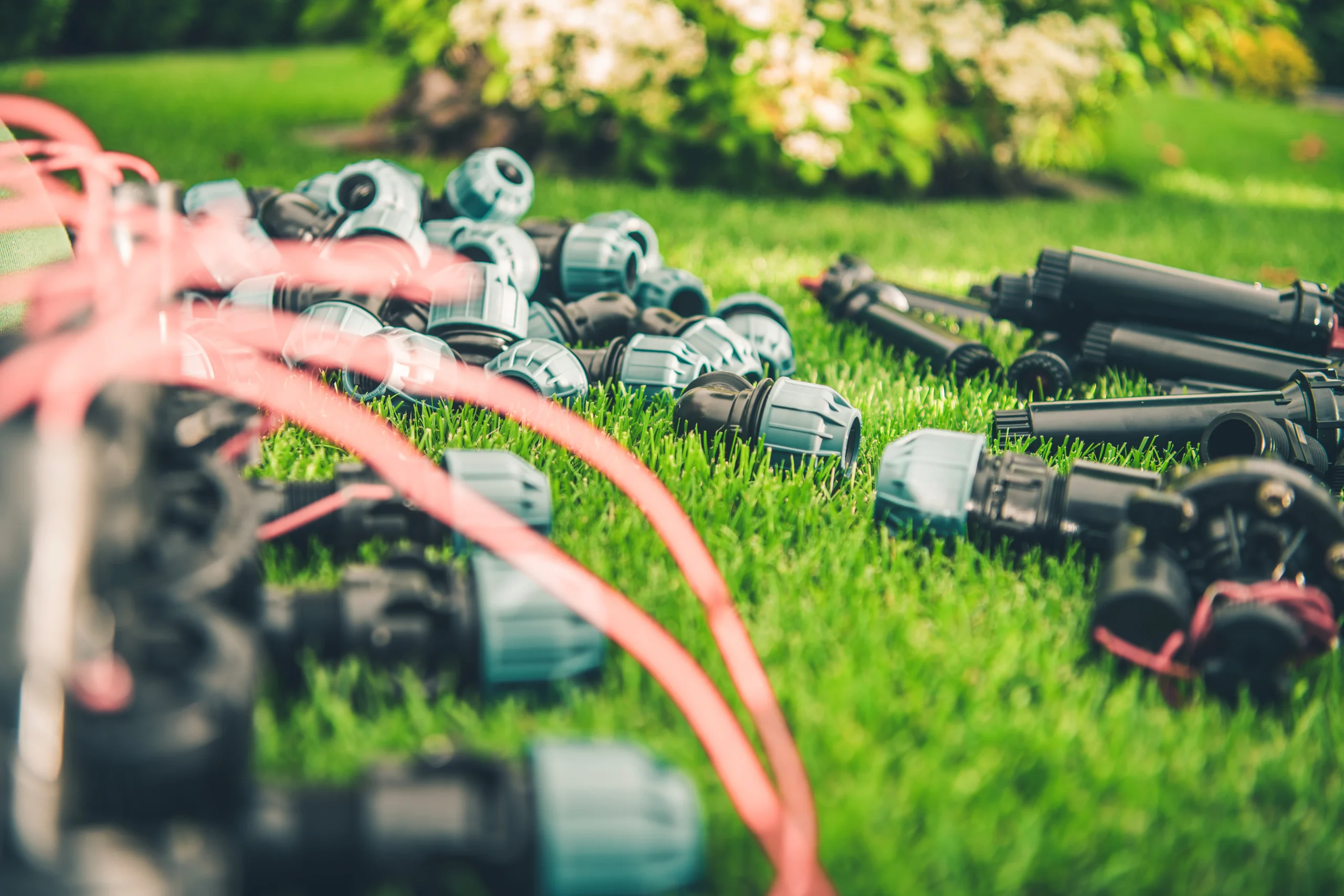
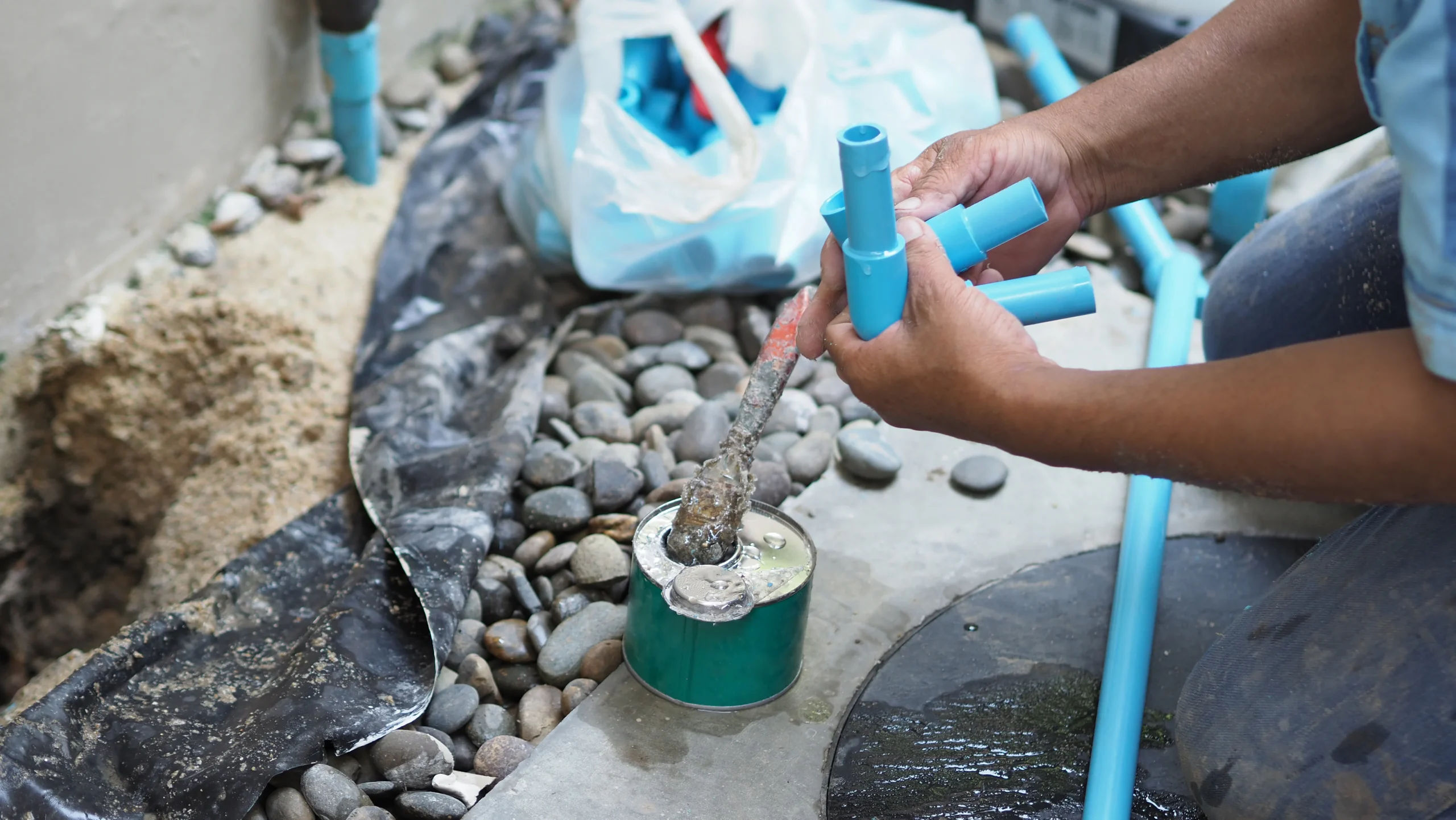
Lawn Sprinkler System Maintenance Services
What’s Included in a Maintenance Visit
Every maintenance visit includes a full system inspection with all zones running. We check for leaks, test coverage, adjust spray heads, and clear any clogs. We also inspect your backflow preventer, valves, and controller settings.
In Juno Beach and throughout Palm Beach County, FL, water restrictions change based on the season and drought conditions. We make sure your system is compliant while still giving your lawn what it needs. That means adjusting run times, checking rain sensors, and programming smart controllers if you have them.
We also look for signs of bigger issues. Pressure problems. Wiring faults. Zones that won’t shut off. A study of over 3,400 Florida homes found that every single irrigation system had at least one problem. Some had up to 18. Most homeowners had no idea.
Regular maintenance doesn’t just prevent breakdowns. It saves water. The average Florida household spends about $1,000 a year on water, and switching to efficient irrigation can cut that by $350 or more. When your system is dialed in, you’re not paying to water the street.
Sprinkler FAQ
Questions homeowners in Juno Beach ask us
How often should I schedule sprinkler system maintenance in Juno Beach?
Most systems need professional maintenance at least twice a yearonce before the dry season and once before summer rains start. Florida’s climate is hard on irrigation equipment, and small problems turn into expensive ones fast.
If you have a newer system or it’s been recently installed, twice a year is usually enough. Older systems, or properties with a lot of landscaping, benefit from quarterly checks. That’s especially true if you’ve had recurring issues like low pressure, uneven coverage, or zones that won’t turn on.
Between professional visits, walk your property once a month while the system is running. Look for broken heads, geysers, or dry spots. Catching a problem early means a $20 fix instead of a $500 repair and a dead lawn.
What causes sprinkler systems to fail in Florida?
Florida throws everything at irrigation systems. High humidity corrodes wiring and solenoids. Intense UV exposure cracks plastic components. Tropical storms knock sensors and controllers offline. And the sandy soil shifts, which breaks pipes and misaligns heads.
Clogged nozzles are common because of hard water and debris in the lines. Valves stick or leak because of constant use and mineral buildup. Controllers fail when they’re exposed to moisture or power surges during storms.
The biggest issue is neglect. Systems get installed, programmed once, and forgotten. Homeowners don’t realize their run times are wrong for the season, or that a head has been spraying the fence for three months. Regular inspections catch these problems before they cause real damage.
Can I do sprinkler maintenance myself or should I hire a professional?
You can handle basic tasks like clearing grass from around heads, checking for obvious leaks, and adjusting spray patterns if you know what you’re doing. But a full system inspection requires running every zone under pressure, testing backflow preventers, checking valve operation, and diagnosing electrical issues.
Most homeowners don’t have the tools or experience to troubleshoot complex problems. A single issue could be caused by several different failures, and if you’re guessing, you’ll waste time and money on the wrong parts. We’ve seen plenty of DIY repairs that made the problem worse.
Professional maintenance also includes things most people skiplike checking your controller programming, testing rain sensors, verifying pressure levels, and making sure you’re compliant with local water restrictions. A trained technician spots problems you wouldn’t know to look for.
How much does sprinkler system maintenance cost in Juno Beach?
Maintenance costs depend on your system size, how many zones you have, and what condition it’s in. A basic inspection and tune-up for a residential system typically runs less than what you’d pay for a single major repair.
Compare that to the cost of ignoring maintenance. A leaky valve can waste thousands of gallons per month. A broken pipe can flood your yard and damage your foundation. Overwatering from a misconfigured controller kills your lawn and drives up your water bill.
We’ve seen homeowners spend $1,000 or more fixing problems that could have been caught during a $100 maintenance visit. Regular service isn’t an expenseit’s insurance against bigger headaches. And it pays for itself in water savings within a few months.
What’s the difference between sprinkler repair and sprinkler maintenance?
Maintenance is preventive. We’re checking your system before anything breaks, making adjustments, cleaning components, and catching small issues early. The goal is to keep everything running efficiently so you avoid emergency repairs.
Repair is reactive. Something’s already brokena cracked pipe, a failed valve, a zone that won’t turn on. You’re calling because there’s a problem that needs fixing right now, usually because it’s flooding your yard or your lawn is dying.
Maintenance costs less and saves you money long-term. Repairs cost more and usually come at the worst possible time. Most irrigation problems don’t happen overnight. They start small and get worse. Regular maintenance catches them while they’re still small.
Do you offer emergency sprinkler repair in Juno Beach?
Yes. We typically respond to emergency calls within 24 hours, and often same-day if it’s urgent. If you have a geyser in your yard or a zone that won’t shut off, call us and we’ll walk you through how to minimize damage until we get there.
Emergency repairs cost more than scheduled maintenance because they require immediate response and often happen outside normal business hours. But when your system fails, waiting isn’t an option. A broken line can waste thousands of gallons in a single day and turn your yard into a swamp.
The best way to avoid emergency repairs is regular maintenance. When we’re checking your system twice a year, we catch failing components before they break completely. That means fewer surprises, lower costs, and a system that works when you need it.
Serving Juno Beach
Your local sprinkler team in Juno Beach
Find us on the map, explore helpful local resources, and see every sprinkler service we offer right here in Juno Beach.
Helpful local resources
- Find us on Google MapsOpen A Juno Beach, FL Map
- Local weather forecastView The Current Weather In Juno Beach, FL
- About Juno BeachJuno Beach, FL is located in Palm Beach County, FL in Florida State
- Nearby post officeFind The Juno Beach, FL USPS
- Nearby pharmacyLocate Nearby Juno Beach, FL Pharmacies
Other sprinkler services in Juno Beach
Free, no-pressure estimate
Get your free sprinkler estimate in Juno Beach
Tell us what your system is doing and a local Palm Beach County technician will get right back to you — usually within one business day.
- Licensed & insured Florida contractors
- Serving Juno Beach since 2008
- Upfront pricing — no hidden fees, no pressure
Request your free estimate