
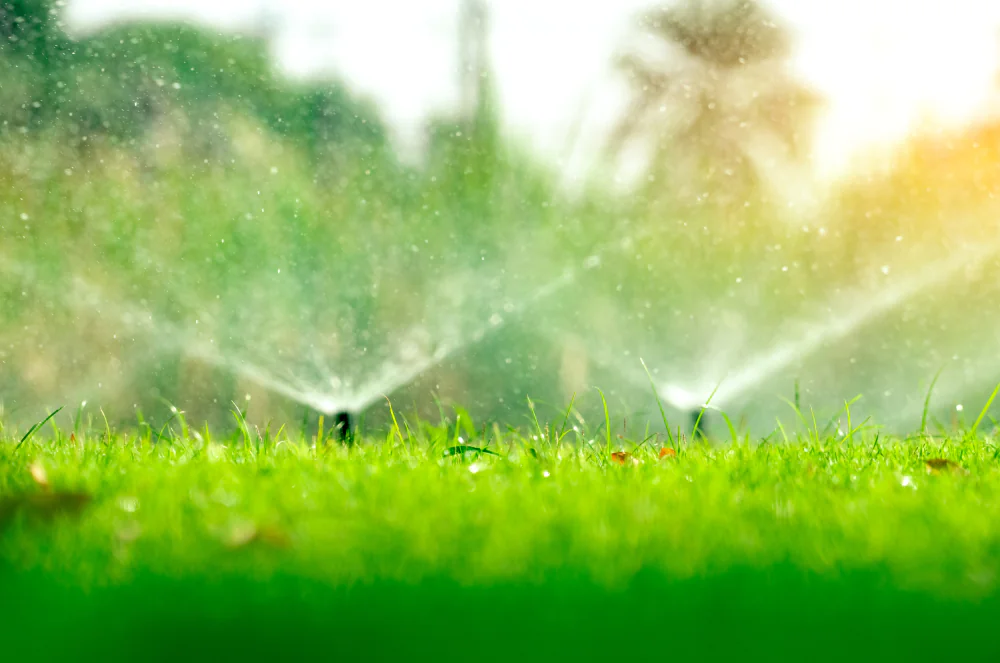
Sprinkler System Maintenance in Jupiter, FL
Keep Your System Running Without the Surprise Repairs
Professional maintenance catches problems early, cuts your water bill, and keeps your lawn looking right all year in Jupiter’s demanding climate.
- Licensed & insured
- Serving since 2008
- Free on-site estimates
Reviews
What homeowners in Jupiter say
Real reviews from Palm Beach County customers — see why neighbors trust us with their sprinkler systems.
Jupiter Irrigation System Repair Experts
What Happens When Your System Actually Works
Your water bill stops climbing for no reason. You’re not dealing with brown patches one week and flooding the next. Your system adjusts itself when the weather changes instead of running full blast during a rainstorm.
Regular sprinkler maintenance in Jupiter means you’re not scrambling to find someone during peak summer when half the neighborhood’s systems are failing. You’re not replacing controllers that failed because of Florida’s humidity. You’re not wondering why your irrigation is running but nothing’s getting watered.
Most homeowners don’t realize their system has issues until something breaks completely. By then, you’re looking at emergency repair costs that run $300 to $500 instead of routine maintenance around $85. You’re also dealing with landscape damage that takes months to recover, especially in Jupiter’s intense heat.
A properly maintained lawn sprinkler system uses up to 60% less water because it’s not overwatering, missing zones, or running when it shouldn’t. That’s real money back in your account every month, and it’s how your yard stays healthy without you constantly adjusting timers or chasing down problems.
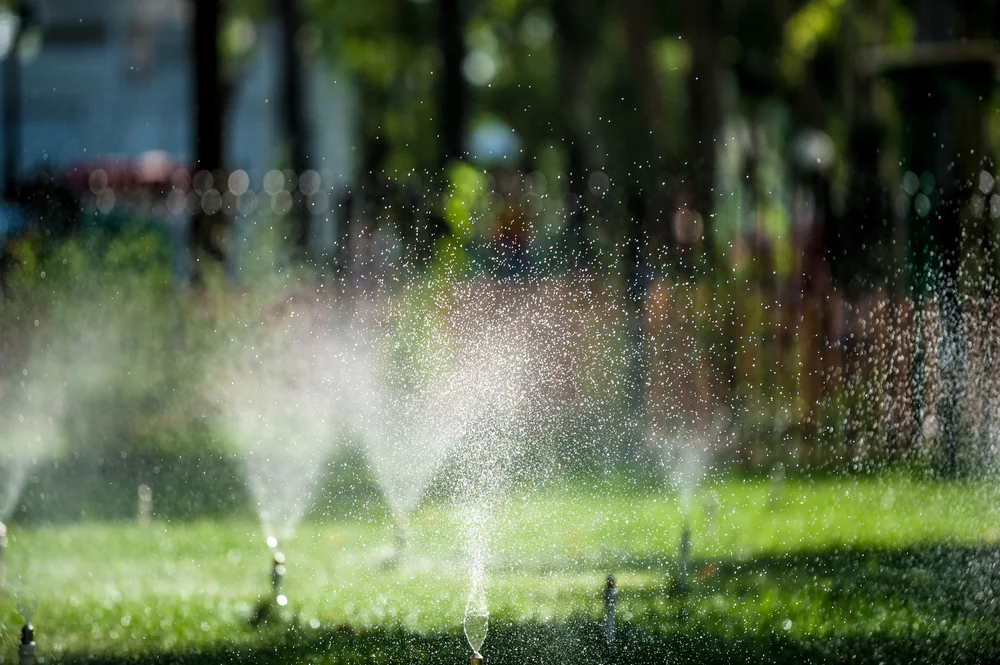
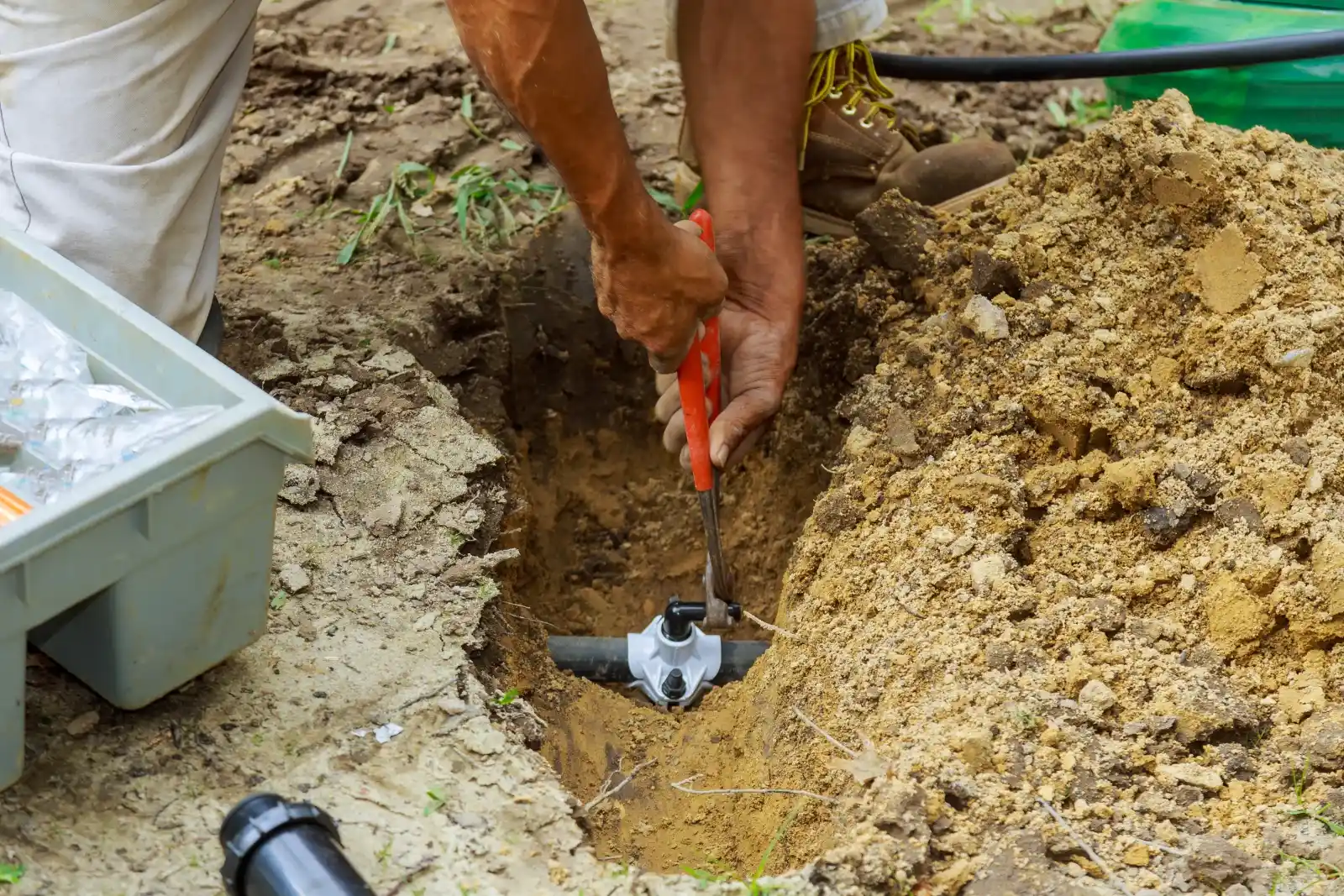
Sprinkler Contractors Serving Jupiter Homes
We’ve Been Fixing Jupiter Systems Long Enough to Know
We’ve spent over 15 years working on irrigation systems across Palm Beach County, FL. We’ve seen what breaks, what lasts, and what homeowners in Jupiter actually need versus what they’re sold.
Jupiter properties face specific challenges. The soil drains differently than areas closer to the coast. Summer storms knock out controllers and flood zones. Saltwater intrusion affects parts and performance over time.
We handle everything from routine sprinkler system inspections to full irrigation system repairs across Jupiter, Palm Beach Gardens, and Boca Raton. Every repair includes a complete system tune-up at no extra charge because fixing one broken head doesn’t help if three others are about to fail. We guarantee our work for a year because we use quality parts installed correctly the first time.
Free, no-pressure estimate
Ready for a healthier lawn in Jupiter?
Tell us what your system is doing and a local Palm Beach County team member will get right back to you, usually within one business day.
Our Sprinkler Maintenance Process
Here’s What Actually Happens During Service
We start with a full system inspection, running every zone while checking spray patterns, pressure, and coverage. Most systems in Jupiter have at least one issue, sometimes up to a dozen small problems that add up to poor performance and wasted water.
We clean or replace clogged sprinkler heads, adjust spray patterns so you’re watering grass instead of sidewalks, and check valves for leaks or pressure issues. Controllers get reprogrammed based on the season because Jupiter’s water needs change dramatically between summer and winter. Most homeowners never adjust their timers, which means they’re either overwatering in winter or underwatering in summer.
If we find broken components, we diagnose the full scope before doing any work. You get exact pricing up front, no surprises. We explain what failed, why it failed, and what happens if you don’t fix it. Then you decide.
After repairs, we test the entire system again to make sure everything works together. We adjust your controller settings based on your specific landscape and current weather patterns. You get a rundown of what we did and what to watch for going forward.
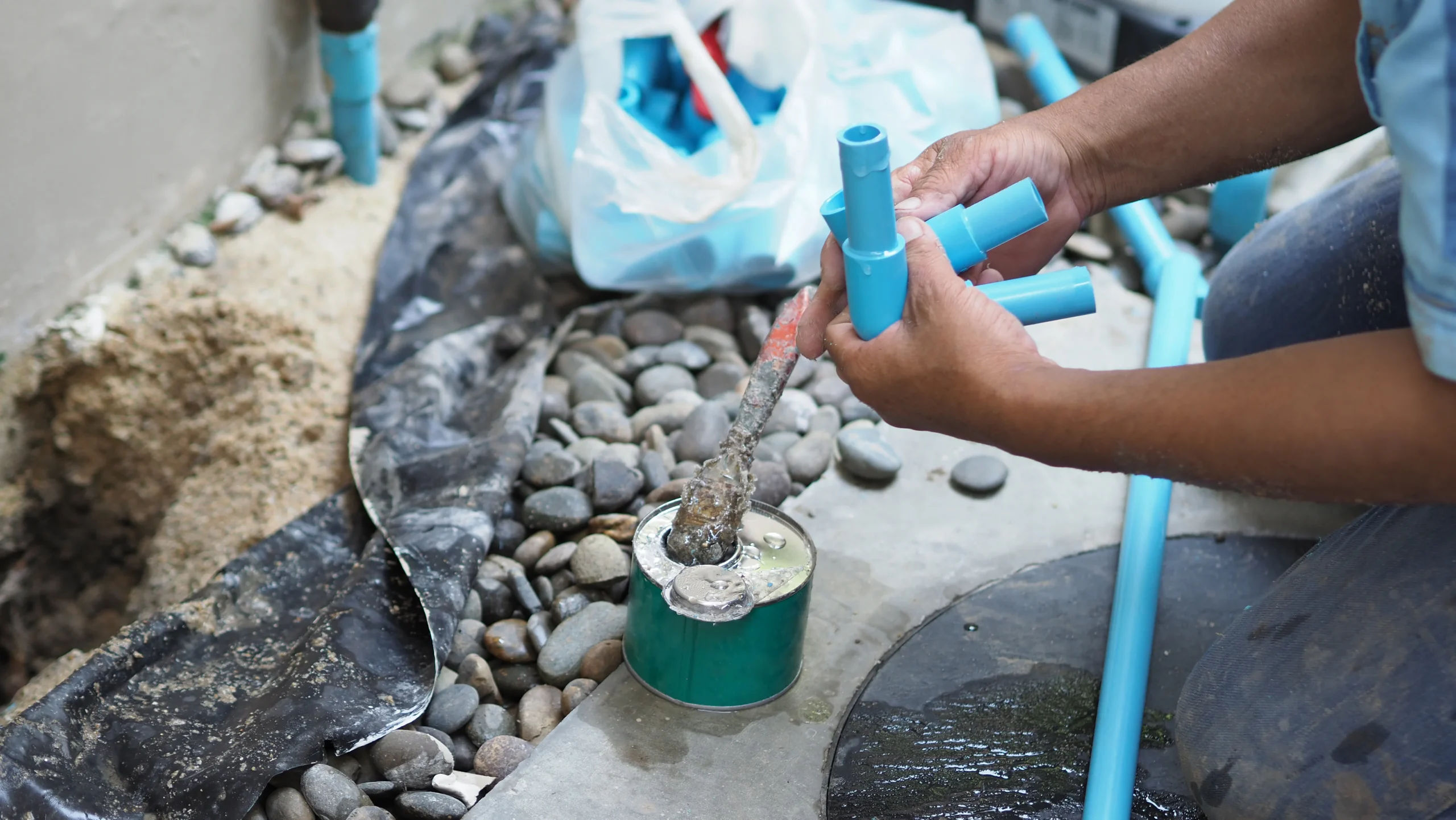
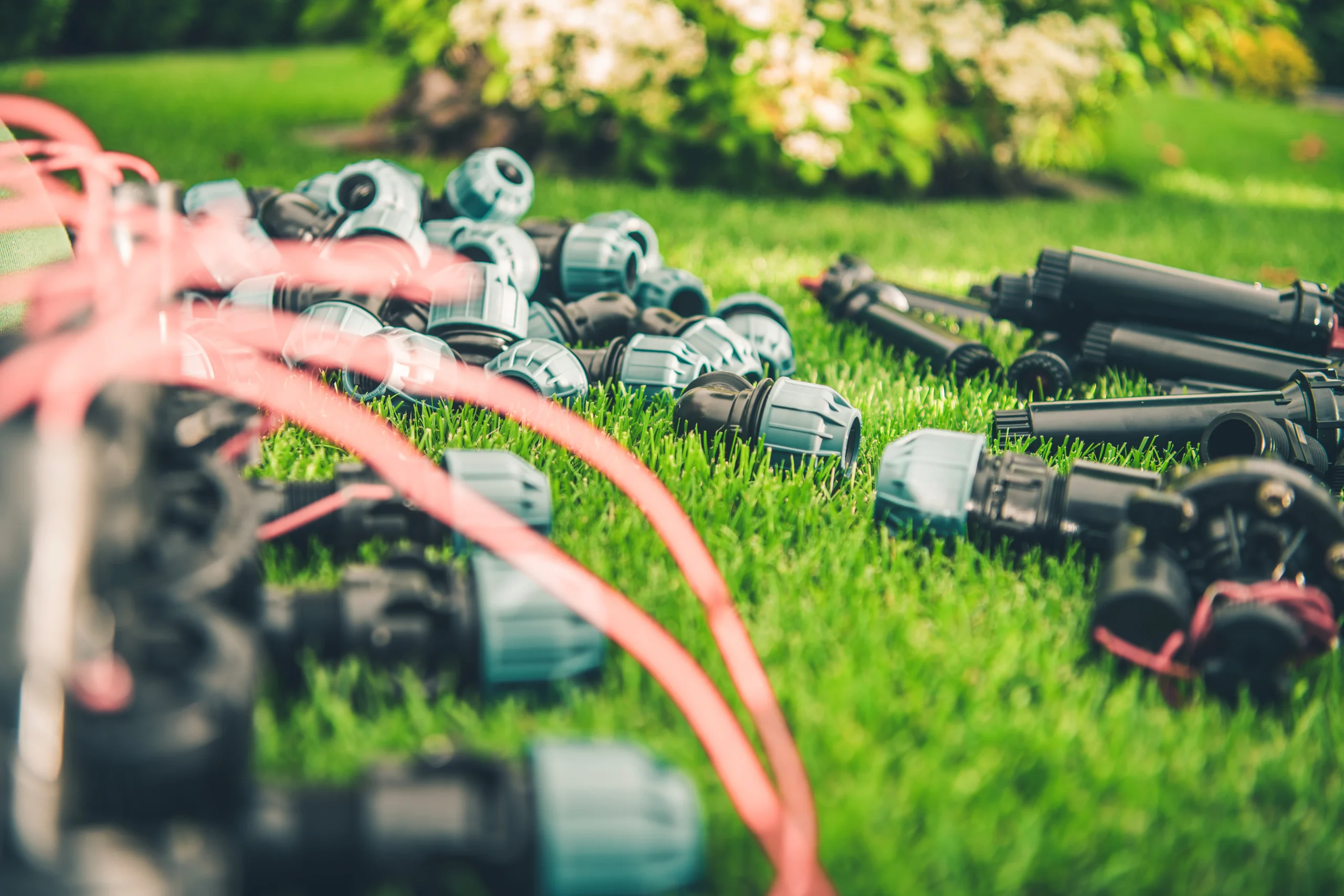
Jupiter Lawn Sprinkler System Care
What’s Actually Included in Maintenance
A complete sprinkler system maintenance visit covers your entire irrigation setup. We inspect every zone, test all heads for proper spray patterns and coverage, check valves and pipes for leaks, and evaluate your controller programming against Jupiter’s current water restrictions and seasonal needs.
Palm Beach County, FL has specific irrigation schedules you need to follow. Your system should comply with local water regulations while still keeping your landscape healthy. We program controllers to run during approved windows and adjust run times so you’re not wasting water or risking fines.
We also look at what most homeowners miss. Wiring issues that cause intermittent failures. Sensors that stopped working months ago. Zones that run too long because the original installer never calibrated them properly. Backflow preventers that need testing to stay compliant.
Jupiter’s subtropical climate is tough on irrigation systems. High humidity corrodes electrical components. Intense summer heat degrades plastic parts faster. Tropical storms damage controllers and flood zones. Regular maintenance catches these problems while they’re still small and cheap to fix instead of waiting for a complete failure during the hottest part of summer when your lawn can’t handle being without water.
Sprinkler FAQ
Questions homeowners in Jupiter ask us
How often should I schedule sprinkler system maintenance in Jupiter?
Most Jupiter homeowners benefit from maintenance twice a year, typically before the dry season starts and again before summer heat peaks. Florida’s climate puts more stress on irrigation systems than most other states, so the standard once-a-year approach doesn’t cut it here.
Spring maintenance prepares your system for increased demand during hot months. We make sure everything works before you actually need it running at full capacity. Fall maintenance adjusts your system back down for cooler weather when your lawn needs less water, which prevents overwatering and saves money through winter.
If you have an older system, you’re better off with quarterly checks. Components fail more frequently as systems age, and catching issues early prevents bigger problems. Commercial properties and HOA communities usually need more frequent service because they can’t afford visible landscape damage or water waste.
What causes sprinkler heads to stop working properly?
Dirt and debris clog heads more than anything else. Jupiter’s sandy soil gets kicked up by mowing, blown around by wind, and washes into heads during heavy rain. Once a head is partially clogged, spray patterns get distorted and you end up with uneven coverage.
Heads also get damaged by lawn equipment, foot traffic, and vehicles. A tilted or cracked head won’t spray where it’s supposed to, leaving dry spots. Some heads just wear out over time, especially cheaper models that weren’t designed for Florida’s UV exposure and heat.
Pressure issues cause problems too. If your system pressure is too high, heads mist instead of spraying properly. Too low, and they don’t reach their full coverage area. Pressure problems usually point to valve issues, pipe leaks, or incorrect zone design. You can replace heads all day, but if the underlying pressure issue isn’t fixed, the new heads won’t work right either.
Can regular maintenance really lower my water bill?
Yes, often significantly. Research shows that poorly maintained irrigation systems can waste up to 60% of the water they use. That’s money running onto your driveway, evaporating before it reaches roots, or soaking areas that don’t need it.
Common waste sources include leaking valves that seep water constantly, even when zones aren’t running. Broken heads that spray straight up or sideways. Controllers programmed for summer watering that nobody adjusted back down for winter. Zones that run too long because nobody’s checked actual soil moisture needs.
A typical Jupiter home might use 10,000 to 15,000 gallons per month on irrigation during summer. If your system is wasting even 30% through leaks, bad programming, and poor coverage, that’s 3,000 to 4,500 gallons you’re paying for with zero benefit. At current water rates, fixing those issues pays for maintenance within a few months, then continues saving money year after year.
What’s the difference between a repair and regular maintenance?
Maintenance is scheduled service that prevents problems. We inspect everything, make adjustments, clean components, and catch small issues before they become failures. You’re paying for the system to keep working without interruption.
Repairs happen when something breaks. You call because a zone won’t turn on, you’ve got a geyser in the yard, or your controller is dead. Repair costs more because we’re responding urgently, diagnosing failures, and replacing components that already quit working. You’re also dealing with landscape damage and water waste until the repair happens.
The real difference shows up over time. Homeowners who skip maintenance end up paying for more frequent repairs at higher costs. A valve that could’ve been adjusted during maintenance eventually fails and needs replacement. A controller that could’ve been protected from moisture damage dies during a storm and needs emergency service. Maintenance costs around $85 per visit. Emergency repairs typically run $300 to $500. The math isn’t complicated.
Do I need to adjust my system for Jupiter’s water restrictions?
Absolutely. Palm Beach County, FL has year-round irrigation schedules that restrict when you can water based on your address. Odd-numbered addresses water on different days than even-numbered addresses. There are also time windows when irrigation is prohibited to reduce strain on water systems during peak demand.
Your controller needs to be programmed to comply with these restrictions, or you risk fines. But compliance alone isn’t enough. Your system also needs proper run times for each zone based on sun exposure, soil type, and plant material. Just because you’re allowed to water on certain days doesn’t mean you should max out your watering time.
Most homeowners set their controller once and forget about it. That works until seasons change, new water restrictions take effect, or your landscape matures and needs different coverage. We reprogram controllers during maintenance to match current regulations and actual watering needs. Your lawn stays healthy, you stay compliant, and you’re not wasting water or money running your system more than necessary.
What happens if I skip maintenance and just fix things when they break?
You end up paying more overall and dealing with landscape damage that takes months to fix. Small problems become big failures. A slow leak becomes a broken pipe. A dirty head becomes a burned-out zone. A controller with minor corrosion dies completely during the next storm.
Emergency repairs cost two to three times more than preventive maintenance because you’re paying for urgent service during peak season when everyone’s system is failing. You’re also replacing components that failed catastrophically instead of adjusting or cleaning parts that still had life left.
The bigger cost is landscape damage. When a zone fails during Jupiter’s summer heat, your grass can start dying within days. Replacing sod or replanting beds costs significantly more than any repair. Some plants don’t recover at all. You’re looking at hundreds or thousands in landscaping costs on top of the irrigation repair, all because a $15 sprinkler head that should’ve been replaced during routine maintenance finally quit during the worst possible time.
Serving Jupiter
Your local sprinkler team in Jupiter
Find us on the map, explore helpful local resources, and see every sprinkler service we offer right here in Jupiter.
Helpful local resources
- Find us on Google MapsOpen A Jupiter, FL Map
- Local weather forecastView The Current Weather In Jupiter, FL
- About JupiterJupiter, FL is located in Palm Beach County, FL in Florida State
- Nearby post officeFind The Jupiter, FL USPS
- Nearby pharmacyLocate Nearby Jupiter, FL Pharmacies
Free, no-pressure estimate
Get your free sprinkler estimate in Jupiter
Tell us what your system is doing and a local Palm Beach County technician will get right back to you — usually within one business day.
- Licensed & insured Florida contractors
- Serving Jupiter since 2008
- Upfront pricing — no hidden fees, no pressure
Request your free estimate