
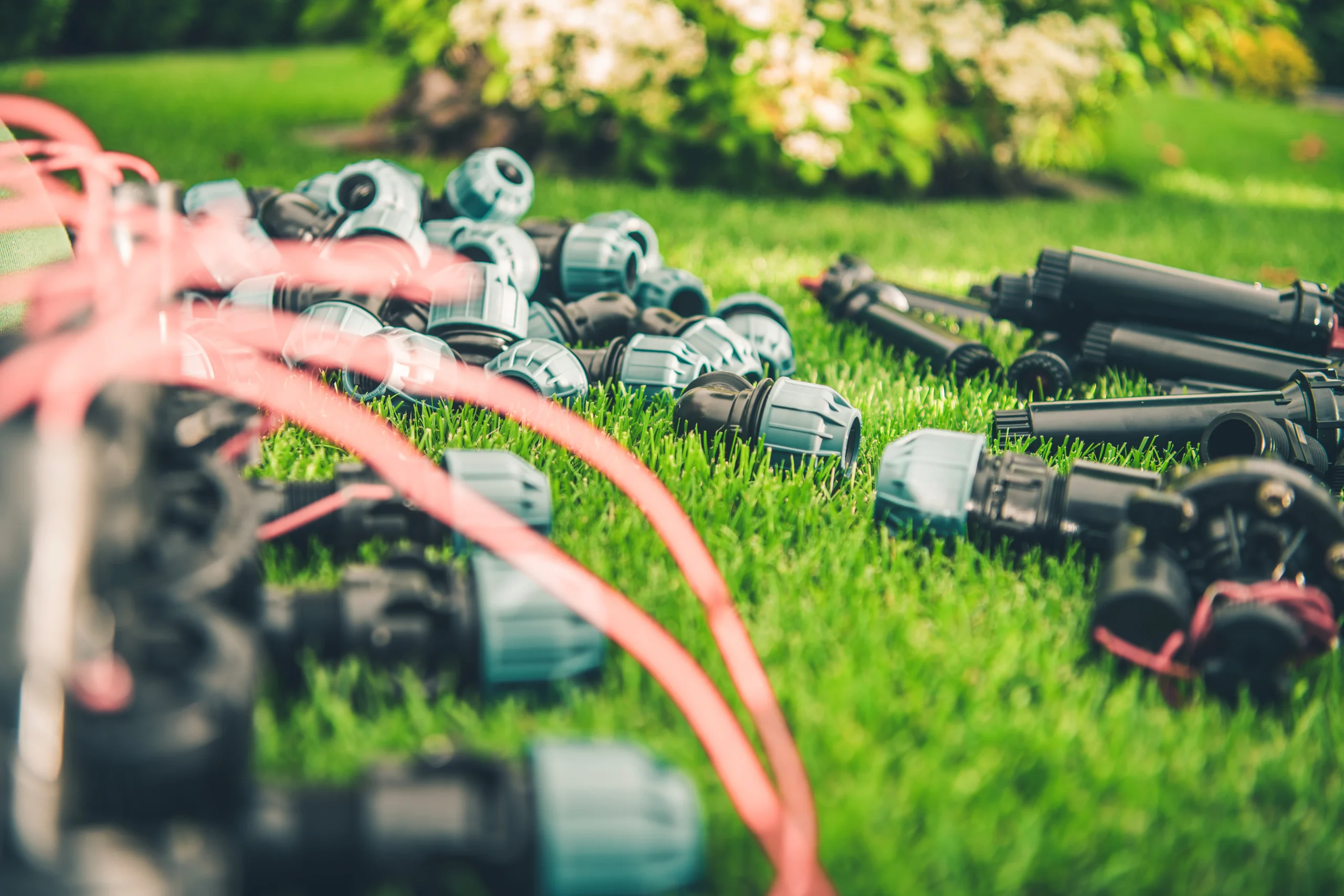
Sprinkler System Maintenance in Lake Clarke Shores, FL
Your Lawn Stays Green Without the Guesswork
Regular maintenance catches the small problems before they turn into expensive repairs, wasted water, and brown patches across your property.
- Licensed & insured
- Serving since 2008
- Free on-site estimates
Reviews
What homeowners in Lake Clarke Shores say
Real reviews from Palm Beach County customers — see why neighbors trust us with their sprinkler systems.
Irrigation Maintenance in Lake Clarke Shores
What Happens When Your System Actually Works Right
You stop worrying about whether your grass is getting enough water. No more walking outside to find one section flooded while another looks like it hasn’t seen rain in weeks.
Your water bill stays predictable because broken valves get caught early, before they run all night and rack up charges. Sprinkler heads get adjusted so water lands on your lawn instead of the sidewalk or street.
When summer heat hits Lake Clarke Shores, your system is already dialed in. When winter comes and your grass needs less, the schedule adjusts without you having to figure it out. The controller works. The zones cycle properly. Everything runs when it should and stops when it’s supposed to.
That’s what regular sprinkler maintenance does. It removes the uncertainty and keeps your landscape looking the way you want it to look.
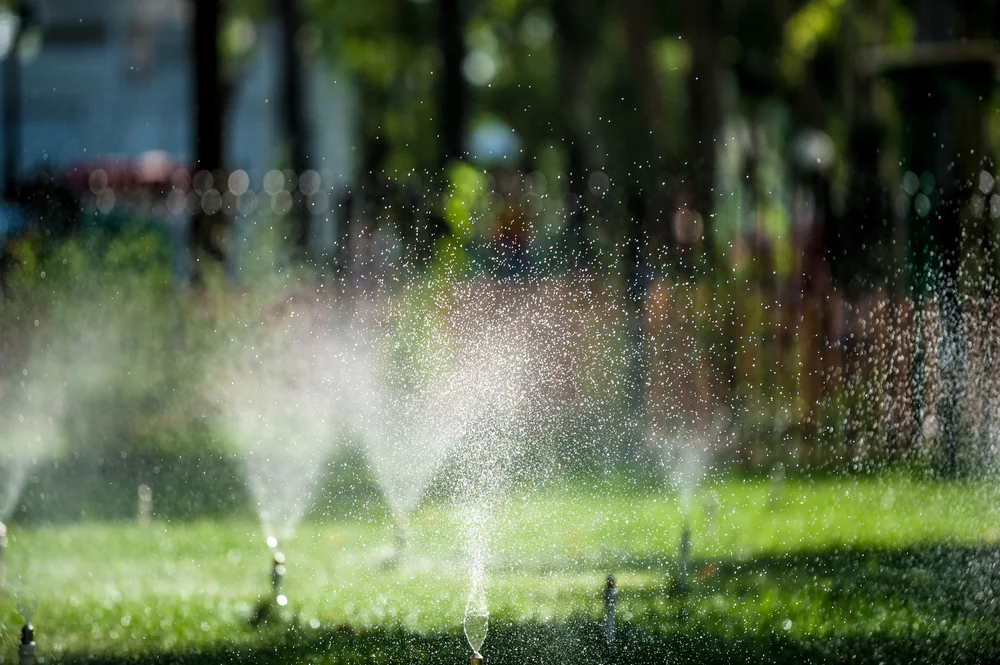
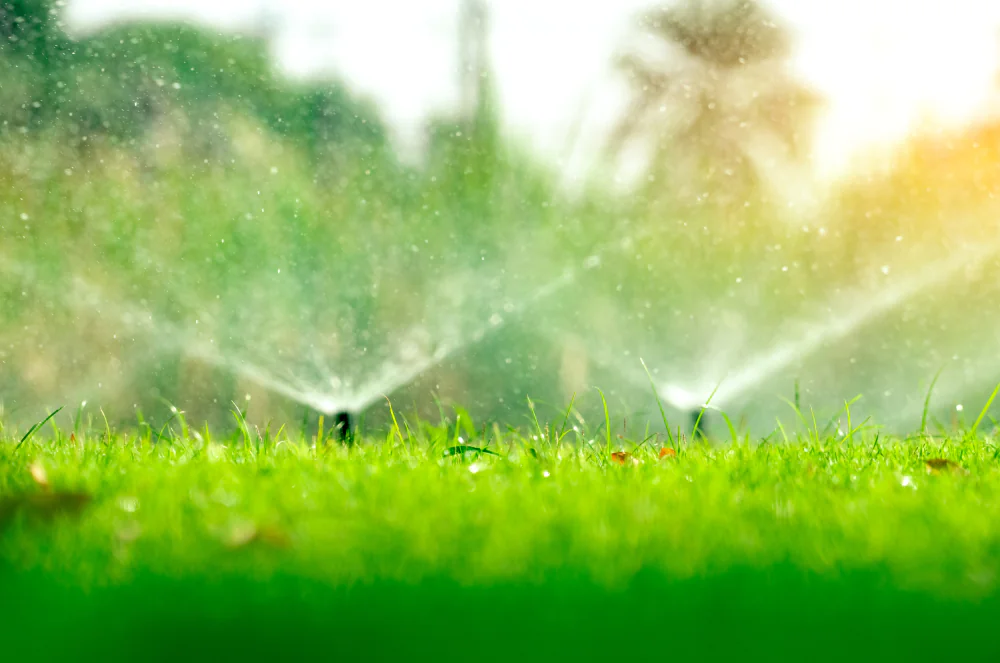
Lake Clarke Shores Sprinkler System Repair
We’ve Been Fixing These Systems Since 2008
Sprinkler Contractors of Palm Beaches LLC has spent years working on irrigation systems across Palm Beach County, FL. We’ve seen what Florida’s climate does to sprinklers—the humidity that corrodes electrical components, the heat that cracks plastic, the storms that knock controllers offline.
Lake Clarke Shores properties deal with the same challenges as the rest of the county: sandy soil that shifts and breaks lines, mineral buildup that clogs nozzles, and seasonal water needs that change dramatically between June and January. We’ve handled all of it.
When other contractors get stuck on a problem, they call us. That’s the reputation we’ve built—not through marketing, but through consistently showing up and fixing what’s broken.
Free, no-pressure estimate
Ready for a healthier lawn in Lake Clarke Shores?
Tell us what your system is doing and a local Palm Beach County team member will get right back to you, usually within one business day.
Lawn Sprinkler System Maintenance Process
Here’s What Actually Happens During a Service Call
We start by running through every zone in your system. Each one gets turned on so we can watch how it performs—not just whether it turns on, but whether the coverage is even, the pressure is right, and the heads are spraying where they should.
Broken or tilted heads get flagged. Clogged nozzles get cleaned or replaced. Valves that leak or won’t shut off properly get repaired. If there’s an underground leak, we find it before it becomes a sinkhole in your yard.
The controller gets checked to make sure it’s programmed correctly for the season. A lot of homeowners don’t realize their system needs different run times in summer versus winter. We adjust that so you’re not overwatering in December or underwatering in July.
After everything’s inspected and adjusted, we test the full system again. You get a rundown of what we found, what we fixed, and what might need attention down the road. No surprises, no upselling—just a clear picture of where your irrigation system stands.
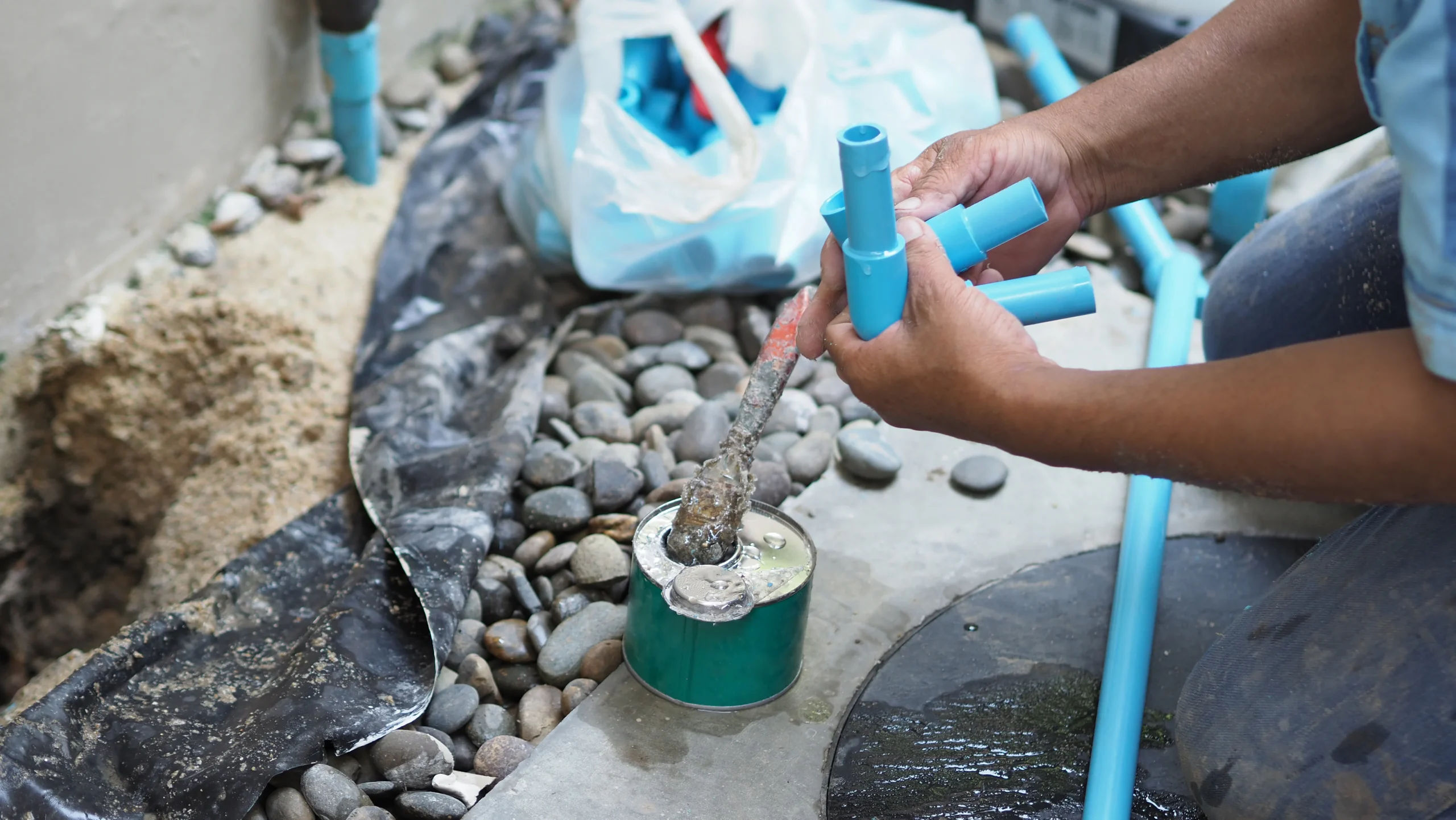
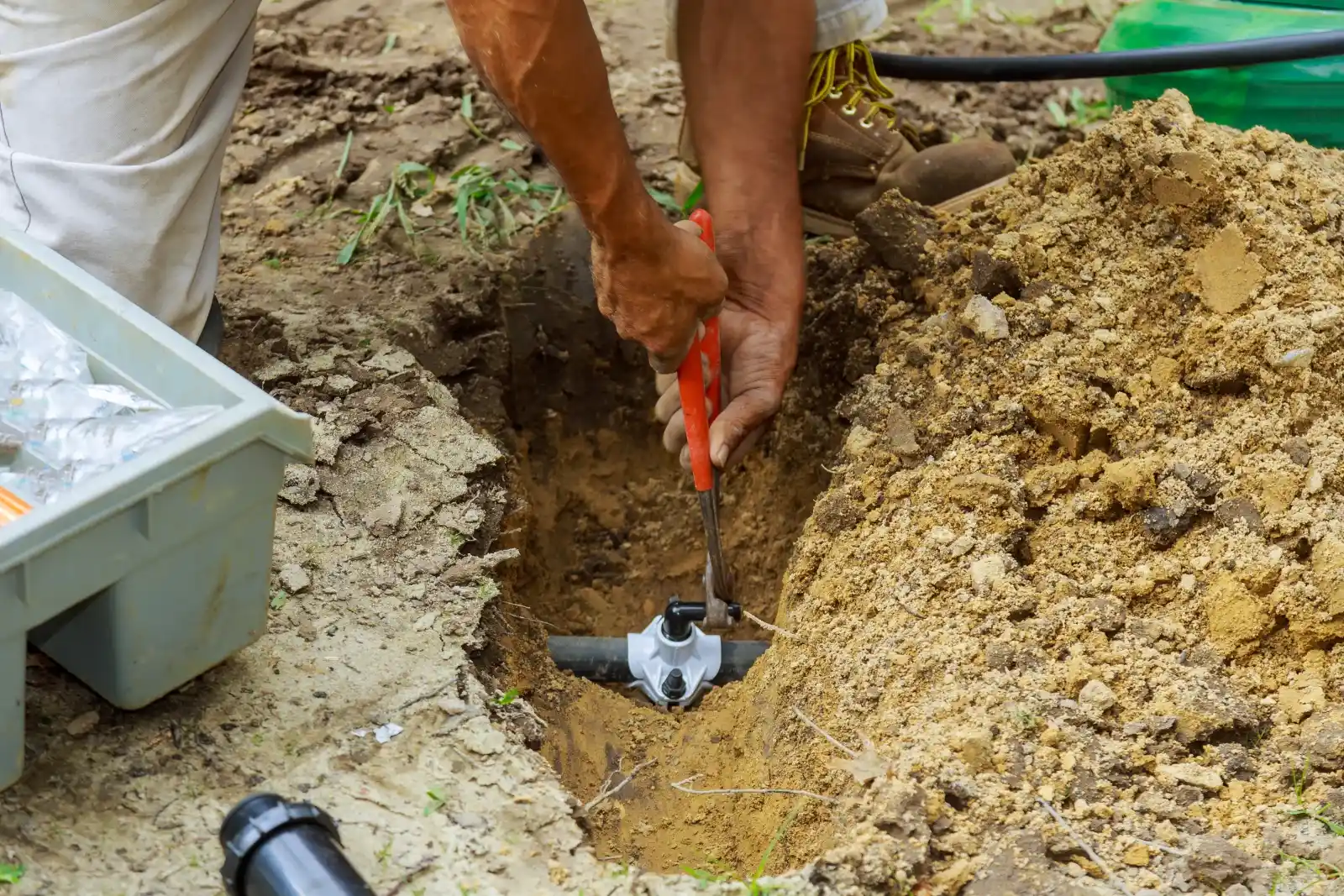
Sprinkler System Inspection in Lake Clarke Shores
What’s Included in a Full Maintenance Visit
Every service includes a complete system inspection covering up to five zones. We check spray patterns, adjust heads for proper coverage, and make sure water isn’t overshooting onto driveways or sidewalks—something Palm Beach County, FL regulations care about, and something that wastes your money.
Electrical components get tested because Florida humidity is brutal on controllers and wiring. We look for corrosion, faulty connections, and programming issues that cause zones to run too long or not at all.
If your system has a pump, we inspect that too. Pumps work hard in Lake Clarke Shores, especially during the dry season, and they need attention to keep pressure consistent across all zones.
Repairs come with a one-year guarantee. That’s longer than the standard 30-day warranty most companies offer, and it’s because we use quality parts and install them correctly the first time. For commercial properties, we respond within 24 hours—often same-day if it’s urgent—because we know a broken irrigation system can cost you more than just water.
Sprinkler FAQ
Questions homeowners in Lake Clarke Shores ask us
How often should I schedule sprinkler system maintenance in Lake Clarke Shores?
Twice a year is the standard recommendation—once before summer starts and once before winter. That timing lines up with Florida’s two main seasons and the dramatic shift in how much water your lawn actually needs.
The spring check makes sure everything’s ready for the heat. Heads get cleaned, zones get tested, and the controller gets programmed for longer, more frequent cycles. The fall check dials everything back so you’re not drowning your grass when it goes semi-dormant and needs way less water.
If you’ve had recent storms, added landscaping, or noticed any performance issues, don’t wait for the scheduled visit. Catching a small problem early beats dealing with a full system failure in the middle of July.
What are the most common sprinkler problems in Lake Clarke Shores?
Broken heads from lawn mowers are at the top of the list. It happens more than people think—a mower clips a head that’s sitting slightly too high, and suddenly that zone isn’t covering half the area it should.
Clogged nozzles are constant in this area because of mineral buildup in the water. You’ll notice uneven spray patterns or heads that barely put out any water. Cleaning or replacing the nozzle fixes it, but it needs to be done regularly.
Valves that won’t shut off waste thousands of gallons and create soggy, damaged areas in your yard. Controllers malfunction because of humidity and power surges during storms. Underground leaks are harder to spot but show up as unusually high water bills or soft, sinking spots in the lawn.
Can regular maintenance actually prevent expensive irrigation system repairs?
Yes, because most major failures start as small issues that get ignored. A valve that’s starting to leak doesn’t fix itself—it gets worse until it’s running constantly and flooding your yard. A cracked pipe underground starts small, then turns into a full break that requires digging up half your lawn.
During a maintenance visit, we catch those early signs. A valve that’s wearing out gets repaired before it fails completely. A head that’s tilting gets straightened before the spray pattern goes completely off target and kills the grass in that section.
The other benefit is efficiency. A system that’s running properly uses less water, which means lower utility bills every month. When you add that up over a year, the cost of maintenance is usually less than what you save by not wasting water on a poorly adjusted system.
Do I need to adjust my sprinkler system for Florida’s seasonal changes?
Absolutely. Your lawn needs drastically different amounts of water in summer versus winter, and leaving your system on the same schedule year-round either drowns your grass or dries it out.
Summer in Lake Clarke Shores means heat, humidity, and rapid evaporation. Your grass is actively growing and needs more frequent watering—usually 3-4 times per week depending on the type of turf. Run times per zone need to be longer to get enough water into the sandy soil before it drains away.
Winter is the opposite. Grass growth slows way down, temperatures drop, and there’s usually more rain. If you keep watering on a summer schedule, you’ll overwater, which stresses the roots, promotes disease, and wastes money. Most systems only need to run 1-2 times per week in winter, with shorter cycles.
We handle those adjustments during seasonal maintenance so your system matches what your lawn actually needs.
What’s the difference between a sprinkler repair and full system maintenance?
A repair addresses a specific problem—a broken head, a valve that won’t close, a zone that isn’t turning on. We come out, diagnose the issue, fix it, and test that it’s working. It’s reactive, meaning something’s already gone wrong.
Maintenance is proactive. We’re inspecting the entire system before problems happen, looking for early warning signs like heads that are starting to tilt, nozzles that are partially clogged, wiring that’s corroding, or pressure imbalances across zones.
During maintenance, we also optimize the system. That means adjusting spray patterns so coverage is even, reprogramming the controller for the current season, and making sure water is being used efficiently. A repair gets you back to functional. Maintenance keeps you at optimal and prevents future repairs.
Most of our maintenance visits do include minor repairs—replacing a worn nozzle, adjusting a valve, fixing a head—because we find and handle those issues during the inspection. It’s all part of keeping the system running right.
How long does a typical sprinkler system maintenance visit take?
For a residential system with up to five zones, plan on about an hour to an hour and a half. That gives us time to run each zone, watch how it performs, make adjustments, and handle any minor repairs on the spot.
If we find a bigger issue—like an underground leak or a controller that needs replacing—it might take longer, and we’ll let you know what’s involved before we proceed. But for standard maintenance where the system is in decent shape, most visits are done in under two hours.
Commercial properties take longer depending on the size of the system and how many zones need to be inspected. We schedule those separately and give you a more accurate time estimate based on your property layout. Either way, we’re not rushing through it—we’re making sure everything gets checked properly.
Serving Lake Clarke Shores
Your local sprinkler team in Lake Clarke Shores
Find us on the map, explore helpful local resources, and see every sprinkler service we offer right here in Lake Clarke Shores.
Helpful local resources
- Find us on Google MapsOpen A Lake Clarke Shores, FL Map
- Local weather forecastView The Current Weather In Lake Clarke Shores, FL
- About Lake Clarke ShoresLake Clarke Shores, FL is located in Palm Beach County, FL in Florida State
- Nearby post officeFind The Lake Clarke Shores, FL USPS
- Nearby pharmacyLocate Nearby Lake Clarke Shores, FL Pharmacies
Other sprinkler services in Lake Clarke Shores
Free, no-pressure estimate
Get your free sprinkler estimate in Lake Clarke Shores
Tell us what your system is doing and a local Palm Beach County technician will get right back to you — usually within one business day.
- Licensed & insured Florida contractors
- Serving Lake Clarke Shores since 2008
- Upfront pricing — no hidden fees, no pressure
Request your free estimate