
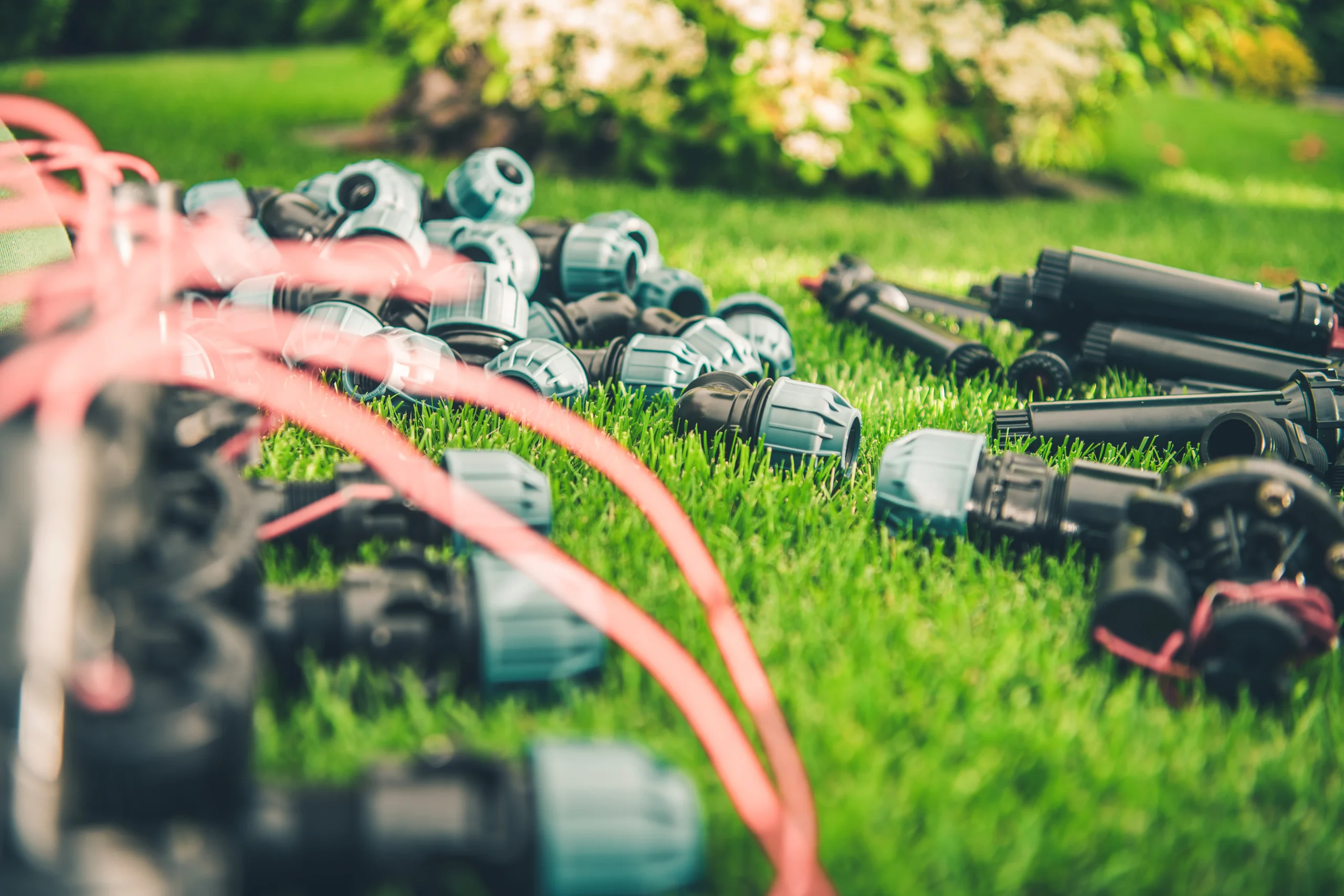
Sprinkler System Maintenance in Lake Park, FL
Your System Works Right or We Fix It
No more brown patches, no more water waste, no more guessing if your irrigation is doing its job during Lake Park’s water restrictions.
- Licensed & insured
- Serving since 2008
- Free on-site estimates
Reviews
What homeowners in Lake Park say
Real reviews from Palm Beach County customers — see why neighbors trust us with their sprinkler systems.
Lake Park Irrigation System Repair
What Happens When Your System Actually Works
Your lawn gets the water it needs without the waste. Every zone covers what it should. Your timer runs on a schedule that makes sense for the season, not the one someone programmed three years ago and forgot about.
You stop losing money to leaks you didn’t know existed. Your water bill reflects actual usage, not gallons disappearing into the ground from a cracked valve or a head that’s been spraying your driveway since March.
And when Palm Beach County, FL tightens watering windows during drought season, your system uses every allowed minute efficiently. You’re not scrambling to fix dead zones in July when it’s already too late and the grass is toast.
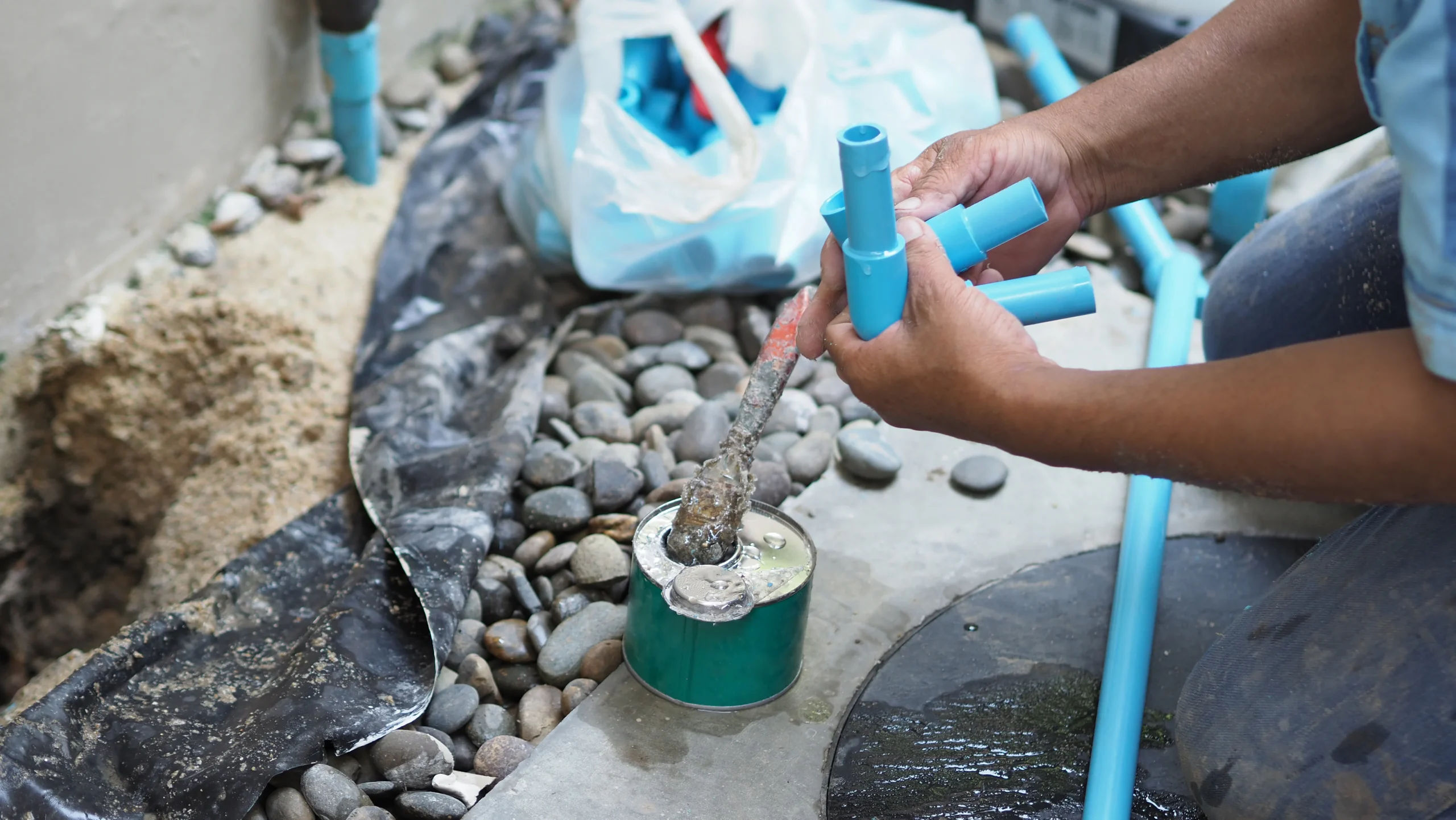
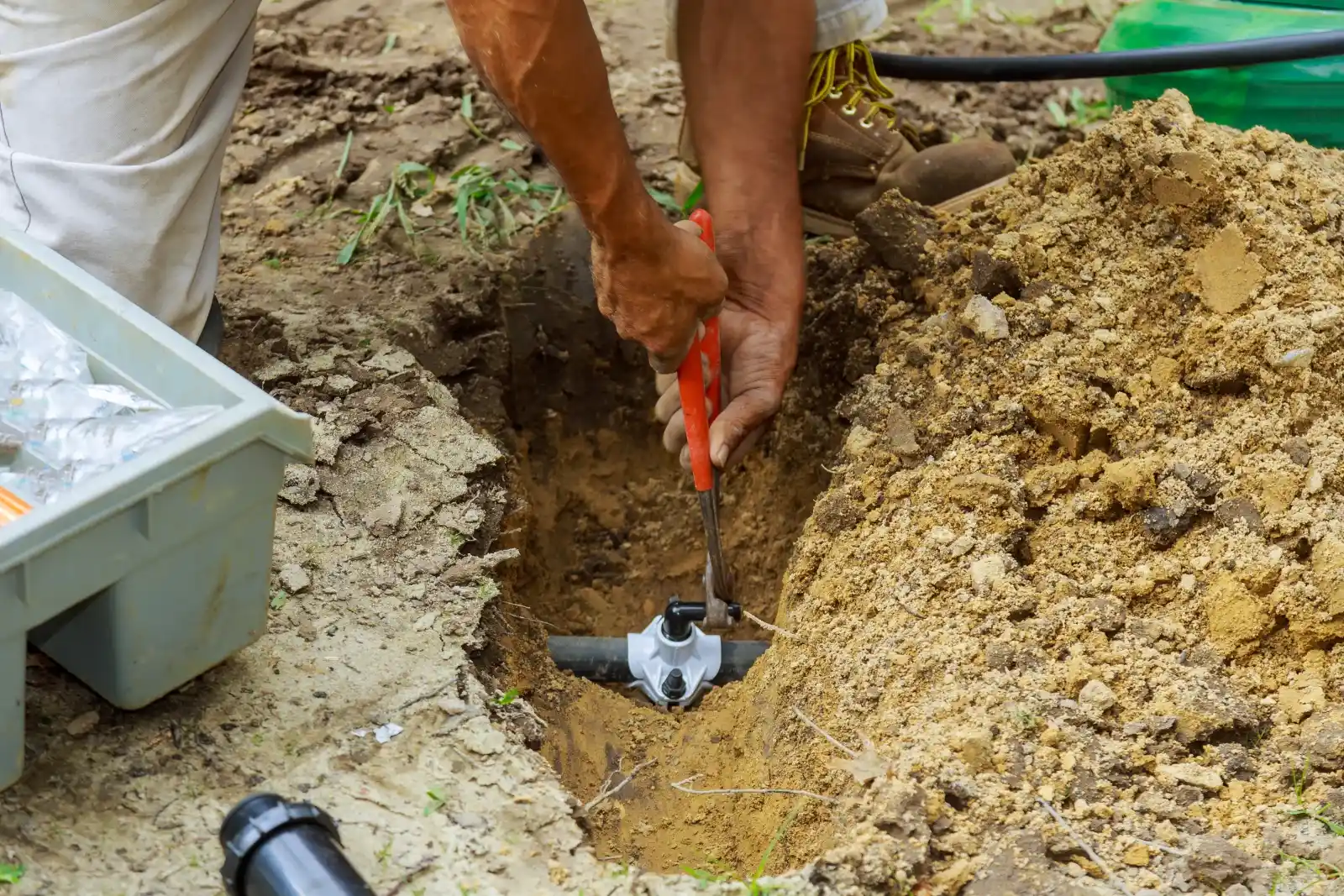
Lawn Sprinkler Maintenance Lake Park
We’ve Been Fixing Lake Park Systems for Years
We’ve handled irrigation across Palm Beach County, FL long enough to know what breaks, what wears out, and what homeowners don’t realize needs attention until it’s a bigger problem. Lake Park properties deal with the same challenges as the rest of South Florida—mineral buildup, storm damage, humidity frying controllers, and watering restrictions that change based on drought conditions.
We’re not the company that shows up, replaces a head, and leaves. We check pressure, test coverage, look for leaks you can’t see, and program your timer based on what your lawn actually needs right now. Not what it needed in April.
If something’s broken, we fix it with parts that last. If your system’s running but wasting water, we adjust it. One-year guarantee on repairs because we’re not interested in coming back to redo our own work.
Free, no-pressure estimate
Ready for a healthier lawn in Lake Park?
Tell us what your system is doing and a local Palm Beach County team member will get right back to you, usually within one business day.
Sprinkler System Inspection Process
Here’s What Happens During a Maintenance Visit
We start by running every zone while we walk your property. We’re looking for coverage gaps, heads that aren’t popping up, spray patterns hitting concrete instead of grass, and pressure issues that cause misting or uneven distribution.
Next, we check your controller. Most timers are set once and forgotten, which means they’re watering the same amount in January as they do in August. We adjust run times based on the season, your soil type, and current watering restrictions in Lake Park.
Then we test for leaks—valve leaks, cracked lateral lines, loose fittings. A slow leak can waste thousands of gallons before you notice a spike in your bill. We find it, fix it, and make sure your backflow preventer is working correctly so you stay compliant.
If we find broken heads, damaged nozzles, or worn valves, we replace them on the spot. You get a walkthrough of what we found, what we fixed, and what to watch for going forward.
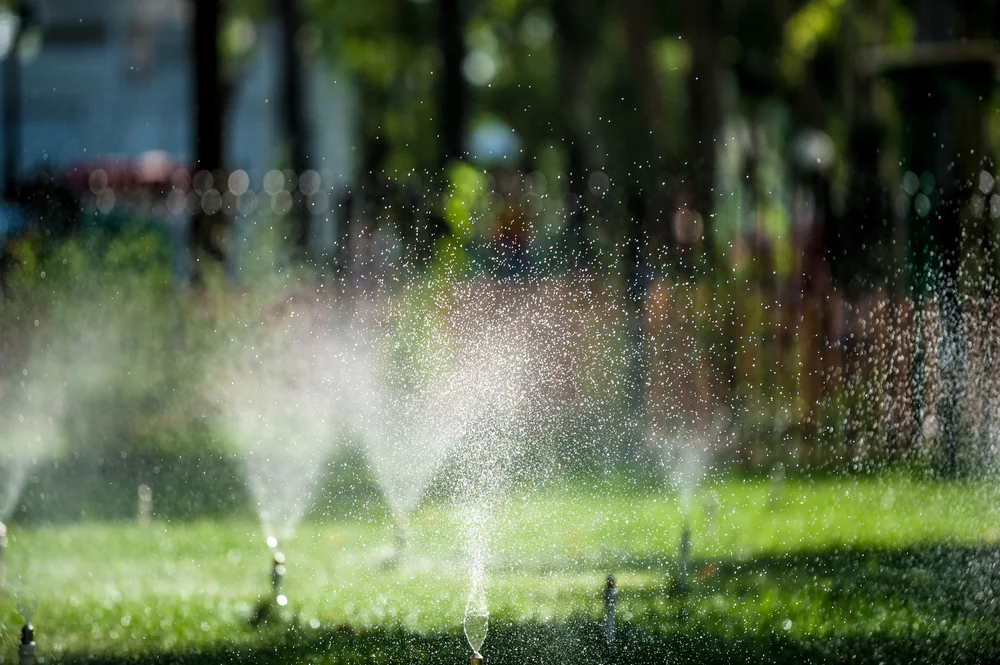
Yard Irrigation System Repair Services
What’s Included in Regular Sprinkler Maintenance
You get a full system inspection—every zone, every head, every valve. We adjust spray patterns so water lands where it should, not on your sidewalk or your neighbor’s driveway. Clogged nozzles get cleaned or replaced. Misaligned heads get straightened.
We test your water pressure to make sure it’s in the right range. Too high and you get misting and waste. Too low and coverage suffers. If there’s a pressure issue, we track down the cause—could be a valve, a blockage, or a problem with your main line.
Your controller gets reprogrammed based on Lake Park’s current watering restrictions and the season. Florida lawns don’t need the same schedule year-round, but most systems run like they do. We also check wiring and connections, especially after storms, because humidity and lightning are hard on electrical components here.
Leak detection is part of every visit. Even small leaks add up fast in Florida’s sandy soil. We check valves, fittings, and lines, then repair anything that’s leaking or about to fail. If your backflow preventer needs testing or certification, we handle that too.
Sprinkler FAQ
Questions homeowners in Lake Park ask us
How often should I schedule sprinkler system maintenance in Lake Park?
Twice a year is the standard—once before summer when your lawn needs the most water, and once before winter when you should be cutting back. That schedule catches problems before they turn into expensive repairs during peak season.
Spring maintenance makes sure your system is ready for the heat. We’re checking coverage, fixing anything that broke over winter, and adjusting your timer for longer, hotter days. If a zone’s not covering right and you don’t catch it until July, you’re looking at dead grass that won’t recover until fall.
Fall maintenance is about dialing things back. Your lawn needs way less water from November through February, but most controllers don’t adjust automatically. We also use that visit to check for damage from summer storms and make sure everything’s ready for the cooler months. Skipping fall maintenance usually means you’re overwatering all winter and wasting money.
What are the most common sprinkler problems in Lake Park?
Clogged nozzles from mineral buildup are constant here. Lake Park’s water has enough minerals that spray heads get restricted over time, which throws off your coverage. You’ll see it as dry spots even though the system’s running.
Broken or sunken heads are everywhere. Lawn mowers hit them, soil settles, and suddenly a head’s not popping up high enough to clear the grass. That zone looks like it’s watering but most of the spray is blocked.
Valve leaks are harder to spot but just as common. A valve that’s not sealing right will leak underground—you won’t see it, but your water bill will show it. We also see a lot of controller issues after storms. Lightning surges and humidity kill timers faster here than in drier climates. And misaligned heads are almost universal. Something bumps them, they shift a few degrees, and now they’re watering the street.
Will regular maintenance actually lower my water bill?
If your system has leaks or coverage problems, yes. A leaking valve can waste hundreds of gallons a week without any visible sign. Fix the leak and that waste stops showing up on your bill.
Overspray and poor coverage also cost you. If half your water is hitting pavement or running off because the soil’s already saturated, you’re paying for water that’s not helping your lawn. We adjust heads and run times so you’re using what you need, not what the system’s blindly throwing out.
Seasonal programming makes a bigger difference than most people realize. Running a summer schedule in December means you’re watering two or three times more than necessary. Over a year, fixing that alone can cut your irrigation costs significantly. Add in leak repairs and better coverage, and most customers see the difference within a billing cycle or two.
How do I know if my sprinkler system is complying with water restrictions?
Palm Beach County, FL has specific watering days and times, and they get stricter during drought conditions. Right now, if you’re watering outside your allowed window or on the wrong days, you’re not compliant—even if you didn’t know the rules changed.
Your system needs to be programmed for the current restrictions, which means someone has to actually update the timer when regulations shift. Most homeowners set it once and forget it, which works until the water management district tightens things up. Then you’re either violating the rules or your lawn’s not getting enough water during your legal window.
We program controllers based on what’s allowed right now in Lake Park. That includes watering days, start times, and duration limits. If restrictions change due to drought, your system needs to be adjusted again. We also make sure your coverage is efficient enough that you’re using your allowed time effectively—no point having a legal schedule if half your water’s being wasted.
What’s the difference between a repair visit and regular maintenance?
A repair visit happens when something’s already broken—a zone won’t turn on, you’ve got a geyser in the yard, or your controller’s dead. We come out, diagnose the problem, and fix what’s broken. You’re paying for the specific repair and usually an emergency service call if it’s during peak season.
Maintenance is preventive. We’re catching problems before they break, adjusting things that are working but not optimized, and making sure your system’s ready for the season ahead. You’re not calling us because something failed—you’re scheduling us to make sure nothing fails.
Maintenance costs less than emergency repairs, and it keeps your system running longer. A valve that’s starting to wear out gets replaced during a maintenance visit before it fails completely and floods your yard at 3 a.m. A head that’s slightly off gets adjusted before it creates a dead spot you don’t notice until the grass is gone. Different purpose, different cost, way better outcome if you stay ahead of it.
Can you fix sprinkler systems that other companies installed?
Yes. We work on systems from every installer in Palm Beach County, FL. Doesn’t matter who put it in or how old it is—if it’s a standard irrigation system, we can maintain it and repair it.
Some systems are installed better than others. We’ve seen plenty that were undersized from the start, poorly zoned, or using cheap parts that don’t last in Florida’s climate. We’ll tell you what you’re working with and what makes sense to fix versus replace.
If your system’s fundamentally sound but needs repairs or adjustments, we handle it. If it’s a mess that’s going to keep breaking, we’ll be straight with you about that too. Most systems just need proper maintenance and a few targeted fixes to run correctly. The ones that don’t, you’ll know before we start throwing money at temporary solutions.
Serving Lake Park
Your local sprinkler team in Lake Park
Find us on the map, explore helpful local resources, and see every sprinkler service we offer right here in Lake Park.
Helpful local resources
- Find us on Google MapsOpen A Lake Park, FL Map
- Local weather forecastView The Current Weather In Lake Park, FL
- About Lake ParkLake Park, FL is located in Palm Beach County, FL in Florida State
- Nearby post officeFind The Lake Park, FL USPS
- Nearby pharmacyLocate Nearby Lake Park, FL Pharmacies
Other sprinkler services in Lake Park
Free, no-pressure estimate
Get your free sprinkler estimate in Lake Park
Tell us what your system is doing and a local Palm Beach County technician will get right back to you — usually within one business day.
- Licensed & insured Florida contractors
- Serving Lake Park since 2008
- Upfront pricing — no hidden fees, no pressure
Request your free estimate