
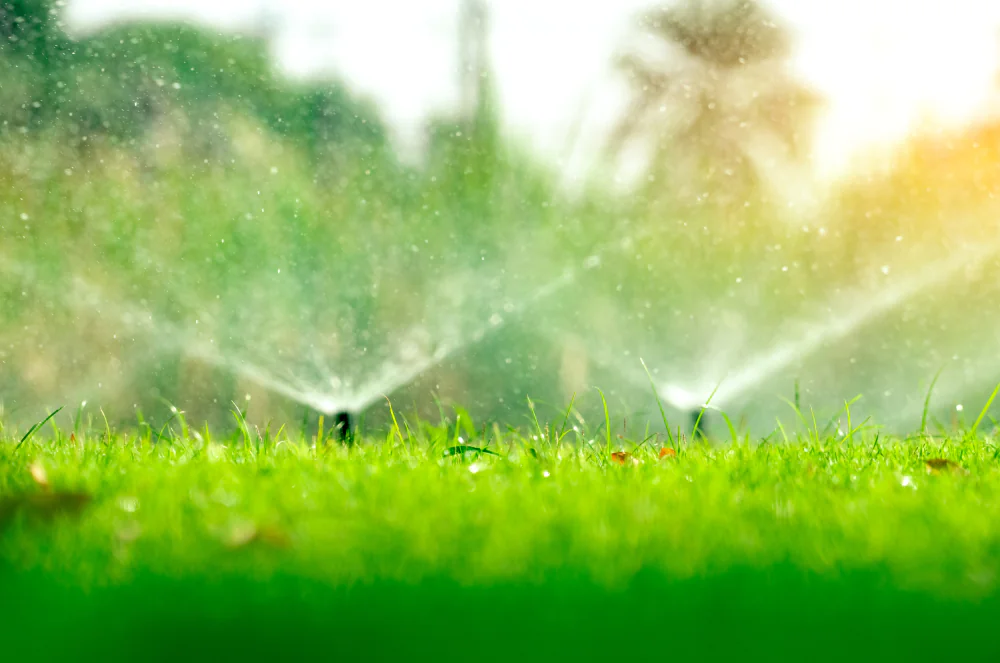
Sprinkler System Maintenance in Limestone Creek, FL
Your Lawn Stays Green Without the Water Bill Shock
Regular sprinkler maintenance catches the leaks, clogs, and coverage gaps that waste water and damage your landscape before they cost you hundreds.
- Licensed & insured
- Serving since 2008
- Free on-site estimates
Reviews
What homeowners in Limestone Creek say
Real reviews from Palm Beach County customers — see why neighbors trust us with their sprinkler systems.
Irrigation System Maintenance Limestone Creek
What Happens When Your System Actually Works Right
Your water bill drops. Not a littlesometimes by hundreds of dollars a year when we fix the leaks you didn’t know were there and adjust zones that have been overwatering for months.
Your lawn looks even. No more brown patches next to swampy spots because half your heads are clogged or shooting water sideways into the driveway.
You stop making emergency calls on Saturday mornings when a head breaks or a zone won’t shut off. Regular maintenance means we catch those problems during scheduled visits, not when they flood your yard. And in Florida’s climatewhere heat cracks plastic, humidity corrodes wiring, and storms knock controllers offlinethat kind of prevention matters more than you’d think.
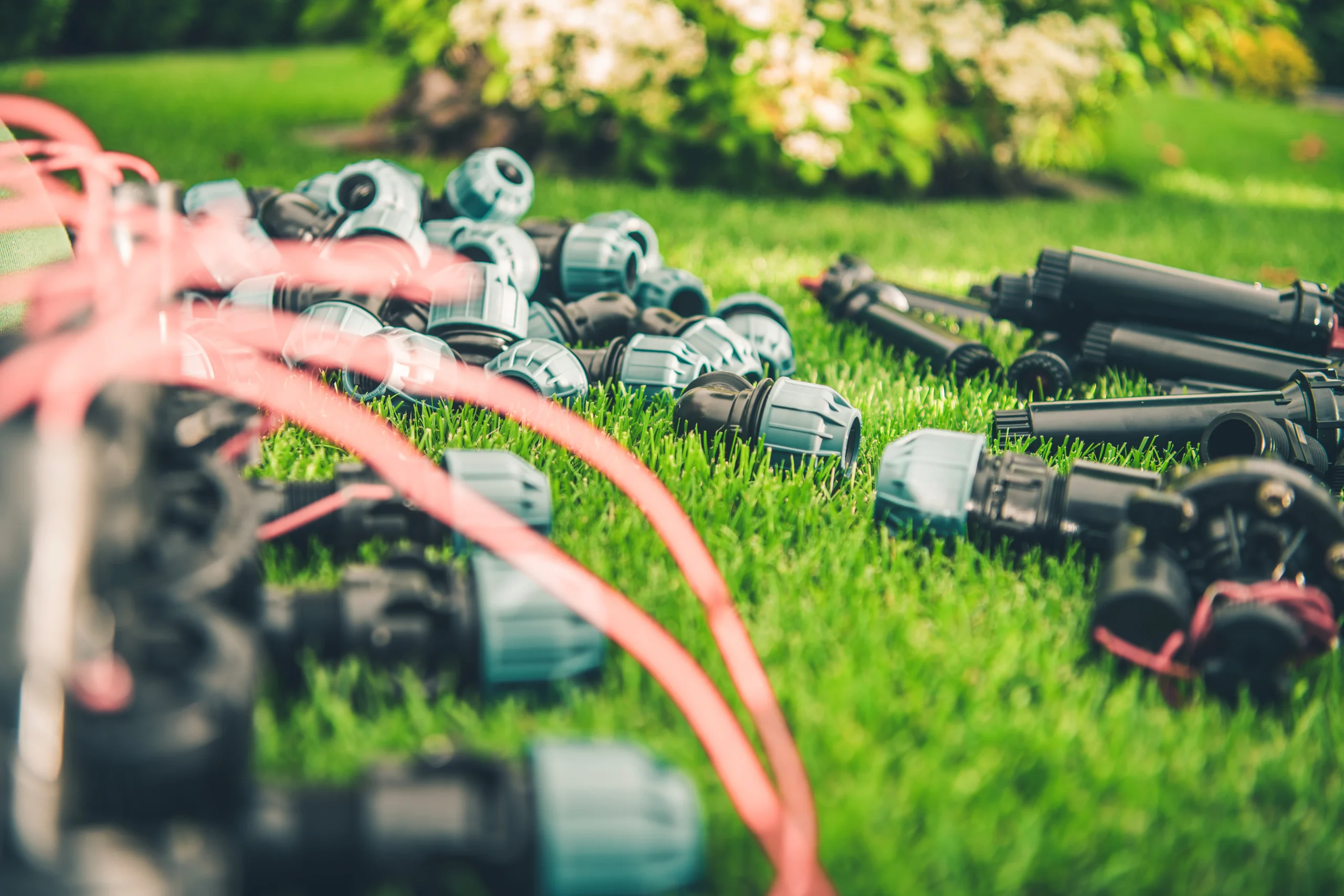
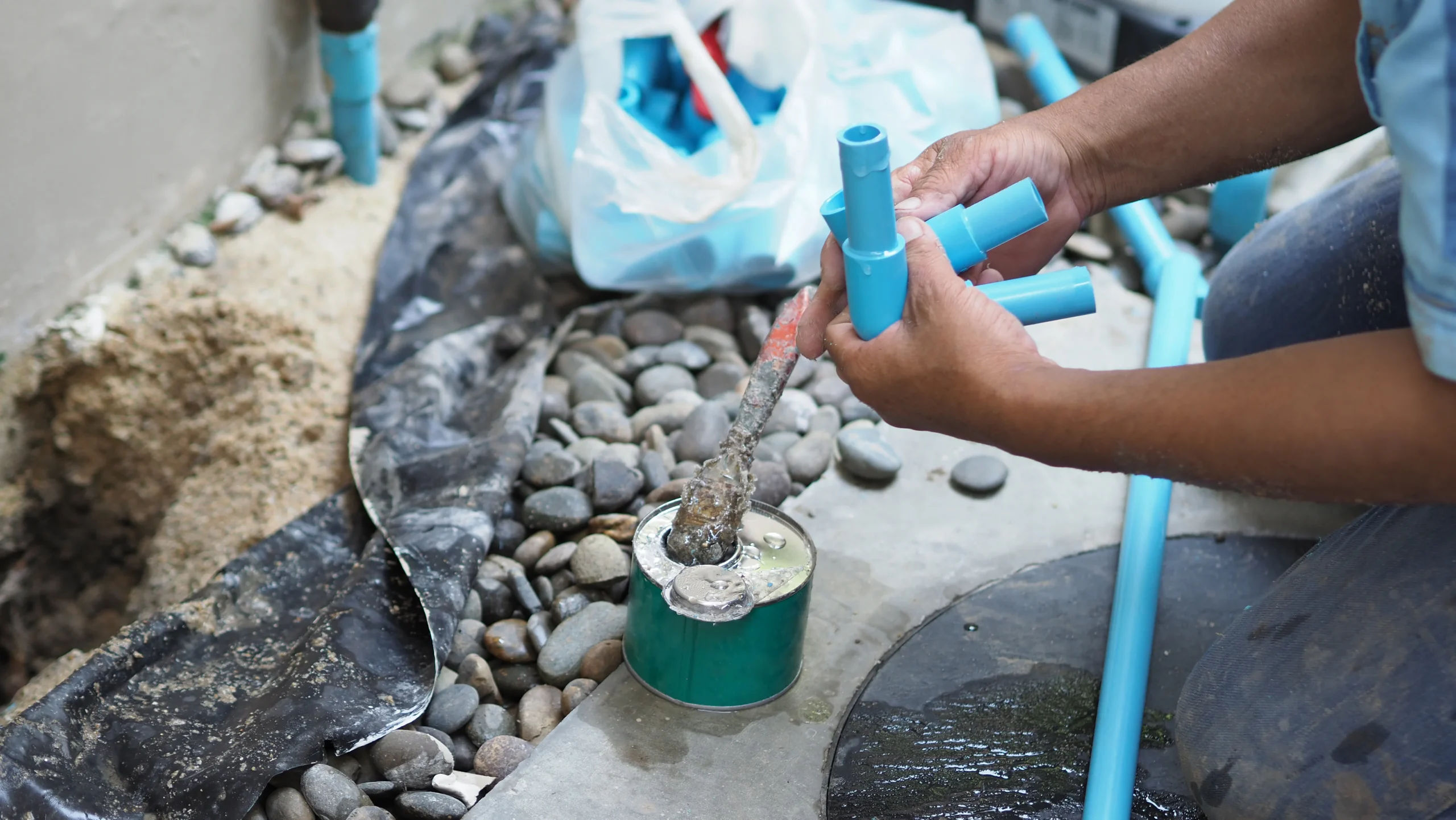
Lawn Sprinkler System Maintenance Experts
We’ve Been Fixing Limestone Creek Systems Since 2008
We’ve worked on irrigation systems across Palm Beach County, FL long enough to know what breaks, when it breaks, and why. Limestone Creek properties deal with sandy soil that shifts sprinkler heads, summer storms that fry controllers, and water pressure issues that most homeowners don’t even realize are problems.
We’re the company other contractors call when they can’t figure out what’s wrong. That’s not braggingit’s just what happens when you’ve diagnosed thousands of systems and seen every possible failure point Florida can throw at a sprinkler setup.
Every repair comes with a one-year guarantee. We use parts built for Florida’s conditions, and we don’t start work until you know exactly what it costs.
Free, no-pressure estimate
Ready for a healthier lawn in Limestone Creek?
Tell us what your system is doing and a local Palm Beach County team member will get right back to you, usually within one business day.
Our Sprinkler System Inspection Process
Here’s What Happens During a Maintenance Visit
We start by running every zone individually and watching how each head performs. That’s where we find the clogs, the misaligned heads shooting water onto concrete, and the zones with pressure problems.
Next, we check your controller settings and compare them to what your lawn actually needs right now. Most systems are still running summer schedules in December or watering during the hottest part of the day when half of it evaporates. We adjust timing, duration, and frequency based on the season and your specific landscape.
Then we inspect the physical componentsvalves, wiring, backflow preventers, rain sensors. We’re looking for corrosion, leaks, worn seals, anything that’s about to fail. If we find something, we tell you what it is, what it’ll cost to fix, and what happens if you wait. Then you decide.
After everything’s adjusted and repaired, we test the whole system one more time to make sure coverage is even and nothing’s leaking. You get a rundown of what we found, what we fixed, and what to watch for.
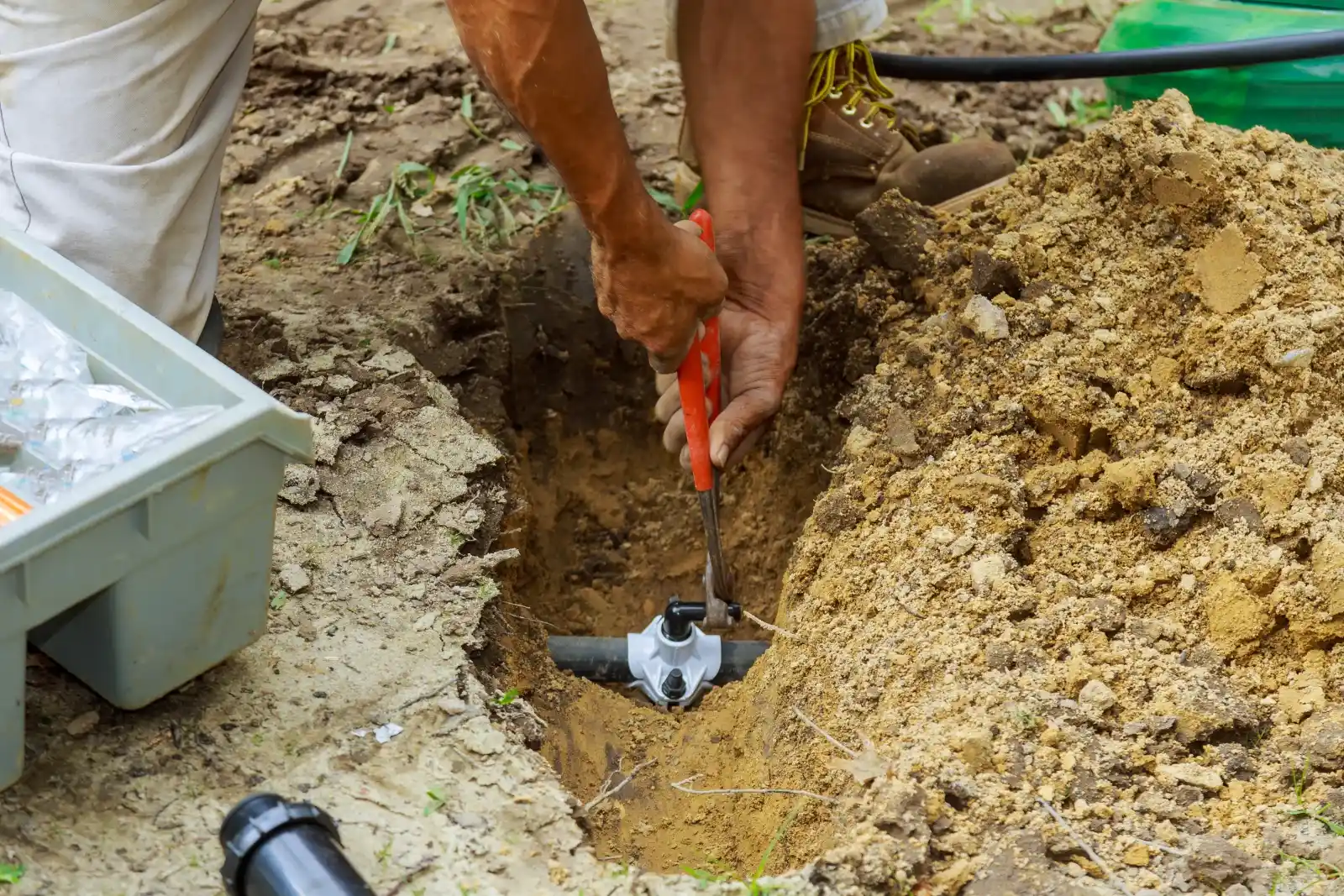
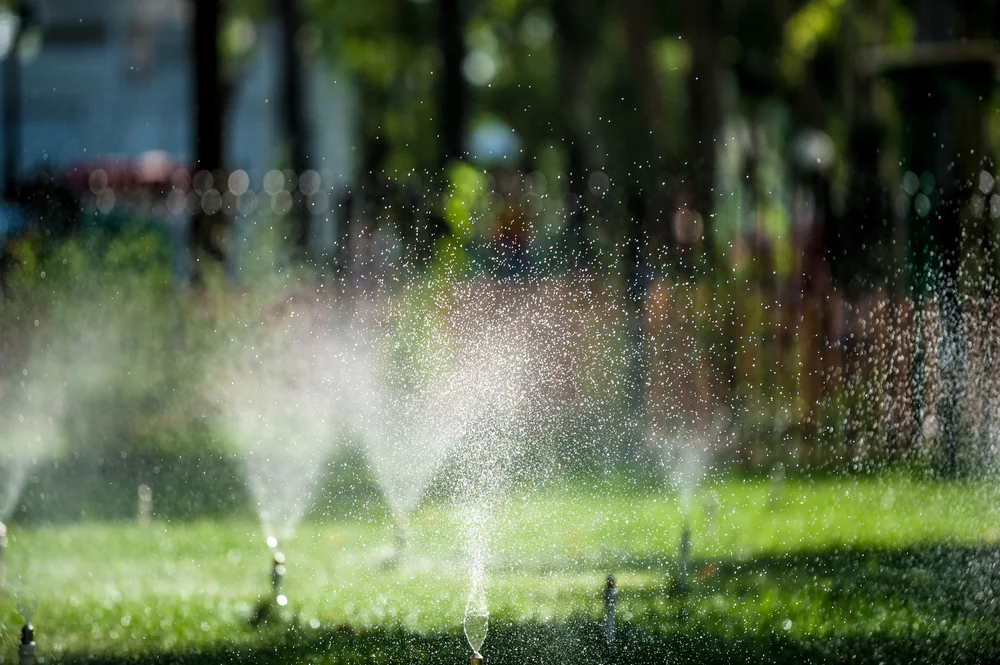
Yard Irrigation System Repair Services
What’s Actually Included in Sprinkler System Maintenance
Every maintenance visit includes a full system inspectionall zones, all heads, all components. We test water pressure, check for leaks above and below ground, clean or replace clogged nozzles, and adjust every head for proper coverage and spray pattern.
We reprogram your controller based on current weather patterns and seasonal needs. In Limestone Creek, that matters more than most people realize. Florida gets 52 inches of rain a year, but most of it falls between June and September. Your irrigation needs in March look nothing like your needs in August, but most systems run the same schedule year-round.
We also check your rain sensorrequired by Florida law but ignored by most homeowners until it stops working. A broken rain sensor means your system runs during storms, which wastes water and can get you fined under local restrictions.
If we find problems during inspection, we give you options. Small fixes like replacing a cracked head or tightening a leaking connectionwe handle those on the spot. Bigger issues like valve replacement or underground leak repair get quoted first. No surprise charges.
Sprinkler FAQ
Questions homeowners in Limestone Creek ask us
How often should I schedule sprinkler system maintenance in Florida?
Twice a year minimumonce before the dry season in spring and once before winter. Florida’s climate beats up irrigation systems faster than most places.
Spring maintenance prepares your system for the hottest, driest months when your lawn needs consistent watering and any failure means dead grass. We’re checking for damage from winter, adjusting schedules for increased watering needs, and making sure everything works before you’re depending on it daily.
Fall maintenance transitions your system for cooler weather when your lawn needs 50-70% less water. We dial back run times, check for storm damage from hurricane season, and catch any wear that happened during heavy summer use. Most system failures happen because small problems from summera slightly leaking valve, a head that’s starting to stickturn into complete breakdowns when they’re ignored for months.
What are the most common sprinkler problems you find in Limestone Creek?
Clogged heads top the list. Sand and sediment in Florida water builds up in nozzles and blocks flow. Half the time, homeowners don’t notice because the system still runsit just doesn’t cover the lawn evenly anymore.
Misaligned heads are next. Lawn mowers hit them, sand settles and shifts them, or they were installed wrong from the start. When a head shoots water onto your driveway or house instead of your grass, that’s wasted water and a higher bill for zero benefit.
Leaking valves waste more water than anything else, and they’re usually underground where nobody sees them. Your water bill climbs, your lawn gets swampy in spots, and the problem gets worse until the valve fails completely. We find these during pressure tests and zone-by-zone inspectionsmost homeowners have no idea they’re losing hundreds of gallons between watering cycles.
How much money does regular sprinkler maintenance actually save?
Depends on what’s wrong with your system, but most homeowners save $300-600 per year just from water bill reductions after we fix inefficiencies. That’s from stopping leaks, unclogging heads, fixing zones that run too long, and adjusting schedules to match actual lawn needs instead of arbitrary settings.
The bigger savings come from avoiding major repairs. A $150 maintenance visit that catches a worn valve before it fails completely saves you from a $400 emergency repair and the water damage that happens when a valve sticks open and floods your yard overnight.
Then there’s your landscape investment. Replacing dead grass, shrubs, or plants because your irrigation system wasn’t covering properly costs thousands. Regular maintenance keeps everything watered correctly so you’re not replanting sections of your lawn every year or watching expensive landscaping die from inconsistent watering.
Can you fix sprinkler problems during a maintenance visit or is that separate?
Small repairs happen during the maintenance visitreplacing a cracked head, adjusting a stuck valve, tightening a connection that’s dripping, cleaning clogged nozzles. That’s included in the service because those are the problems we’re there to find and fix.
Larger repairs get quoted separately. If we find an underground leak, a failed valve that needs replacement, or electrical issues with your controller, we’ll explain what’s wrong, what it takes to fix it, and what it costs before we do any work. Then you decide if you want it handled now or scheduled for later.
Most of the time, handling repairs immediately makes sense because we’re already there, we’ve already diagnosed the problem, and waiting just means more water waste and potential damage. But the choice is always yours, and we’re not doing any work you haven’t approved.
What happens if I skip maintenance and just call when something breaks?
You pay more and deal with more headaches. Irrigation problems don’t announce themselvesthey get worse gradually until something fails completely or you notice your water bill doubled.
A sprinkler head that’s slightly clogged becomes a head that doesn’t spray at all. A valve that’s starting to leak becomes a valve that won’t shut off and floods your yard. A controller with corroded wiring works fine until it doesn’t, usually right before a week of 95-degree weather when your lawn needs water daily.
Emergency repairs cost more than scheduled maintenance because the problem is worse by the time you call, and you’re paying for the urgency. Plus you’re dealing with dead grass, water damage, or a system that’s been wasting water for months before you realized something was wrong. Regular maintenance catches all of that early when fixes are cheap and simple.
Do you service all types of irrigation systems and brands?
Yes. We’ve worked on every sprinkler system type installed in Palm Beach County, FLspray heads, rotors, drip irrigation, smart controllers, basic timers, well systems, municipal water connections, all of it.
Brand doesn’t matter. Rain Bird, Hunter, Toro, Irritrol, Orbitwe stock parts for the major manufacturers and know how each system operates. We’ve repaired systems installed decades ago and systems put in last year. If it irrigates a lawn in Florida, we’ve diagnosed it, maintained it, and fixed it.
The approach is the same regardless of what you have: run every zone, check every component, test for leaks and pressure issues, adjust for proper coverage, and make sure your controller settings match what your landscape actually needs. Different systems have different parts, but the problems and solutions are consistent across brands.
Serving Limestone Creek
Your local sprinkler team in Limestone Creek
Find us on the map, explore helpful local resources, and see every sprinkler service we offer right here in Limestone Creek.
Helpful local resources
- Find us on Google MapsOpen A Limestone Creek, FL Map
- Local weather forecastView The Current Weather In Limestone Creek, FL
- About Limestone CreekLimestone Creek, FL is located in Palm Beach County, FL in Florida State
- Nearby post officeFind The Limestone Creek, FL USPS
- Nearby pharmacyLocate Nearby Limestone Creek, FL Pharmacies
Other sprinkler services in Limestone Creek
Free, no-pressure estimate
Get your free sprinkler estimate in Limestone Creek
Tell us what your system is doing and a local Palm Beach County technician will get right back to you — usually within one business day.
- Licensed & insured Florida contractors
- Serving Limestone Creek since 2008
- Upfront pricing — no hidden fees, no pressure
Request your free estimate