
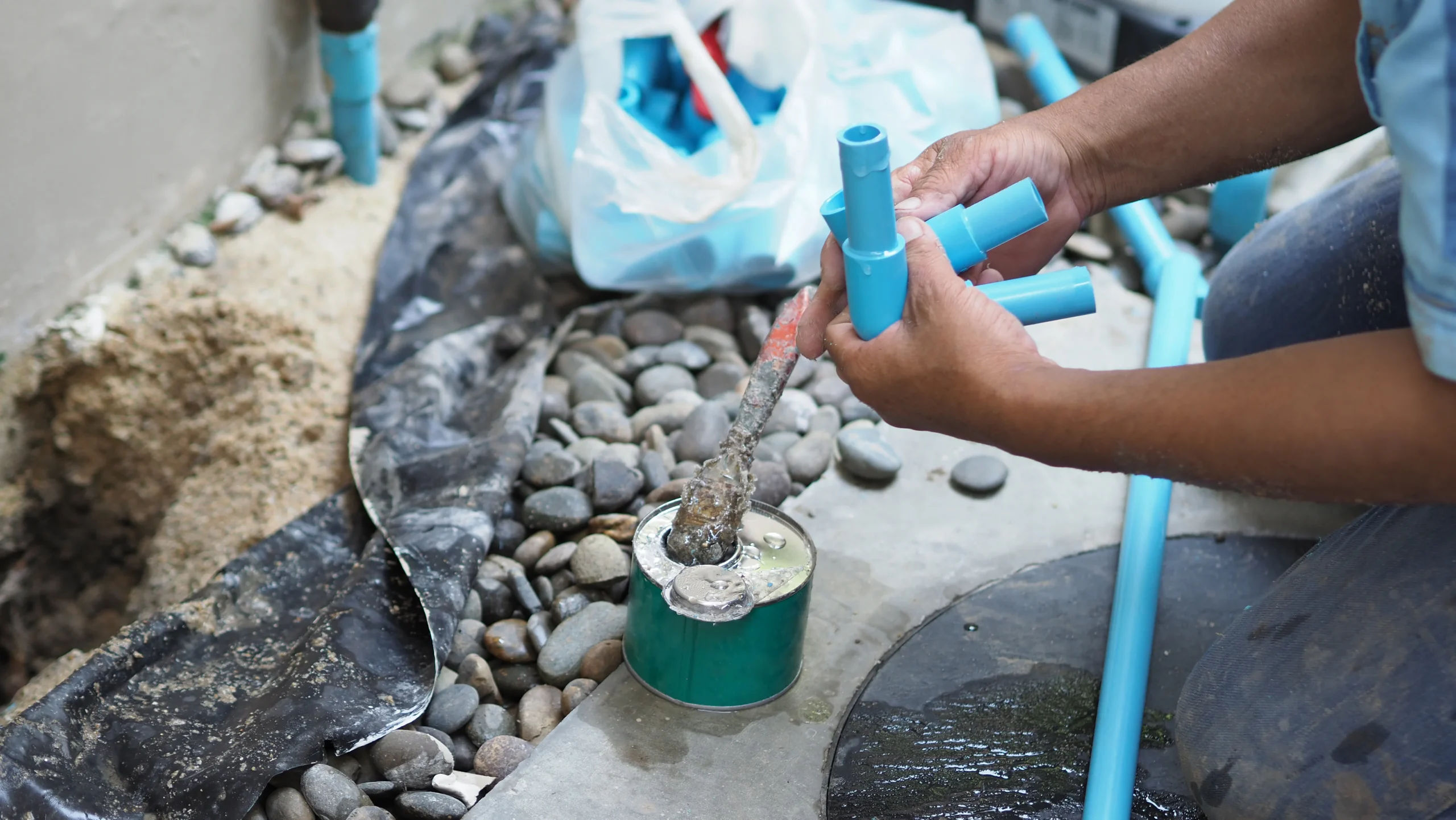
Sprinkler System Maintenance in Mangonia Park, FL
Your Lawn Stays Green Without the Constant Repairs
Regular sprinkler maintenance catches small problems before they become expensive emergencies and keeps your irrigation running efficiently all year.
- Licensed & insured
- Serving since 2008
- Free on-site estimates
Reviews
What homeowners in Mangonia Park say
Real reviews from Palm Beach County customers — see why neighbors trust us with their sprinkler systems.
Irrigation Maintenance That Actually Prevents Problems
Stop Throwing Money at the Same Broken Heads
You already know what happens when a sprinkler zone stops working in South Florida. Three days of missed watering and you’re looking at brown patches that take weeks to recover. A week without proper coverage and you’re replacing sod.
Regular sprinkler system maintenance isn’t about checking boxes. It’s about catching misaligned heads before they waste hundreds of gallons on your driveway. Finding valve leaks before they flood your water bill. Adjusting coverage so every corner of your lawn gets what it needs, not just the spots closest to the street.
Research shows that every residential irrigation system has at least one problem. Most have several. The difference is whether you find them during a scheduled inspection or after your lawn starts dying. With proper maintenance, your system can last over 20 years instead of needing constant repairs that eventually cost more than replacement.
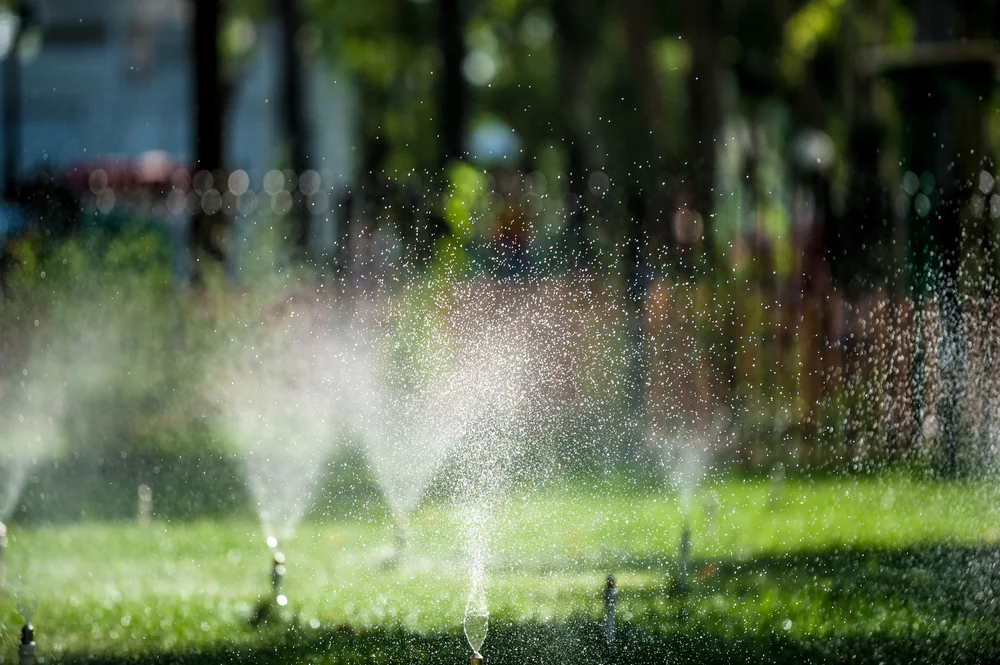
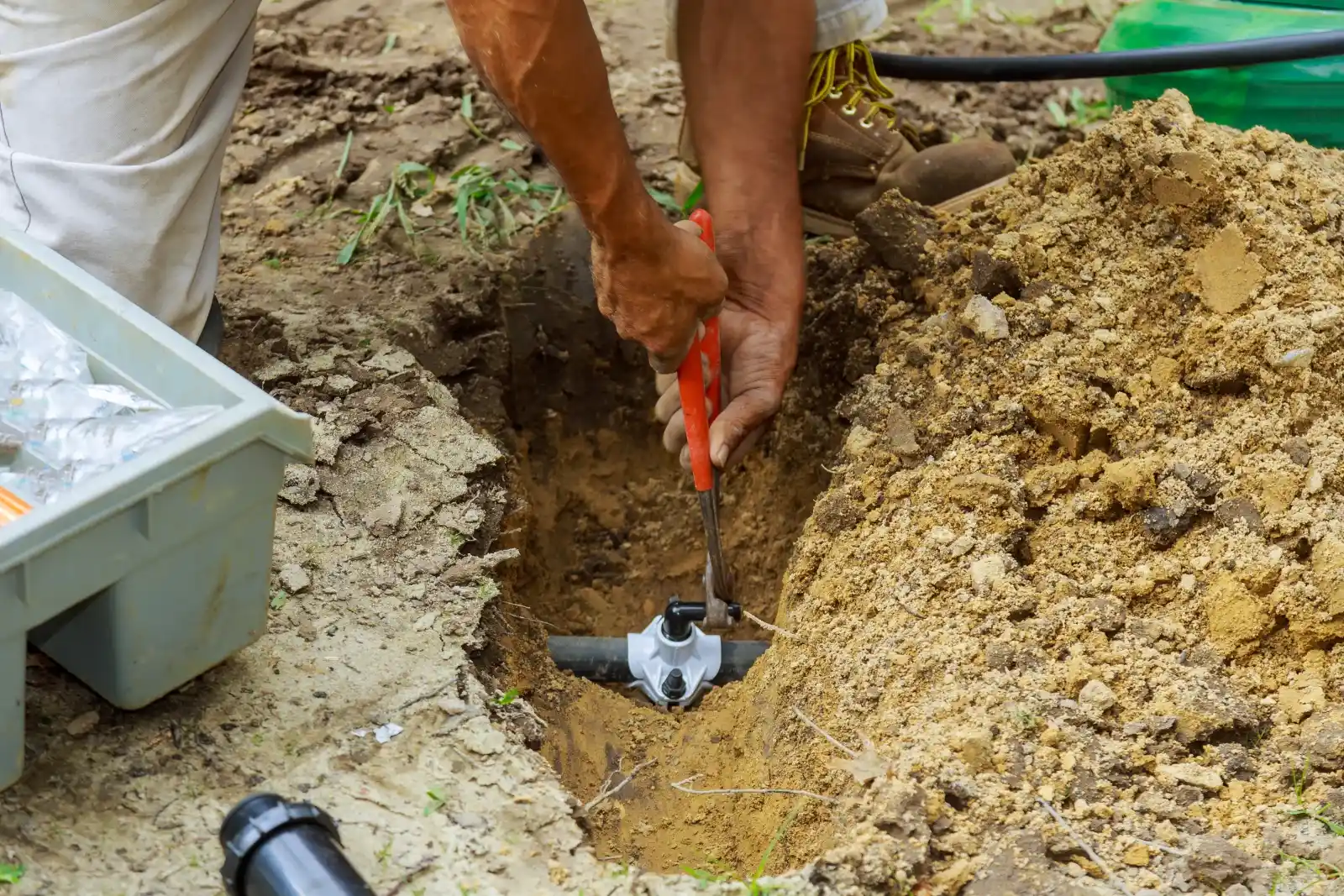
Local Sprinkler Experts Serving Mangonia Park
We’ve Been Fixing Palm Beach Sprinklers Since 2008
We’ve spent over 15 years working on irrigation systems throughout the West Palm Beach area. We know how Mangonia Park’s soil drains, how the summer heat stresses systems, and what breaks most often in residential setups around here.
Angel Ortiz started our company because he saw too many homeowners getting stuck in a cycle of emergency repairs. One broken head leads to another. A valve starts leaking and nobody notices until the water bill doubles. We’d rather catch those issues during a maintenance visit than get a panic call when your lawn is already struggling.
We’re licensed, insured, and we’ve worked on enough systems in this area to know what holds up and what doesn’t. When we inspect your sprinkler system, we’re looking at it the same way we’d look at our own.
Free, no-pressure estimate
Ready for a healthier lawn in Mangonia Park?
Tell us what your system is doing and a local Palm Beach County team member will get right back to you, usually within one business day.
Our Sprinkler System Maintenance Process
Here’s What Happens During a Maintenance Visit
We start by running every zone in your system while we walk the property. Not a quick glancewe’re watching how each head performs, checking coverage patterns, looking for leaks or pressure issues that affect performance.
Next, we inspect the controller and rain sensor. Florida law requires functioning rain sensors, and we make sure yours actually stops the system when it’s supposed to. We test valve operation, check for wiring problems, and adjust your watering schedule if it doesn’t match what your lawn actually needs right now.
Then we handle the repairs. Clogged nozzles get cleaned. Tilted or sunken heads get straightened and adjusted. Broken components get replaced on the spot when possible. We also look at your water pressure and make sure zones aren’t overloaded, which is one of the most common causes of premature system failure.
Before we leave, we run through the system one more time to confirm everything’s working correctly. You get a clear explanation of what we found, what we fixed, and what might need attention down the road.
What’s Included in Sprinkler Maintenance
We Cover Everything That Keeps Your System Running
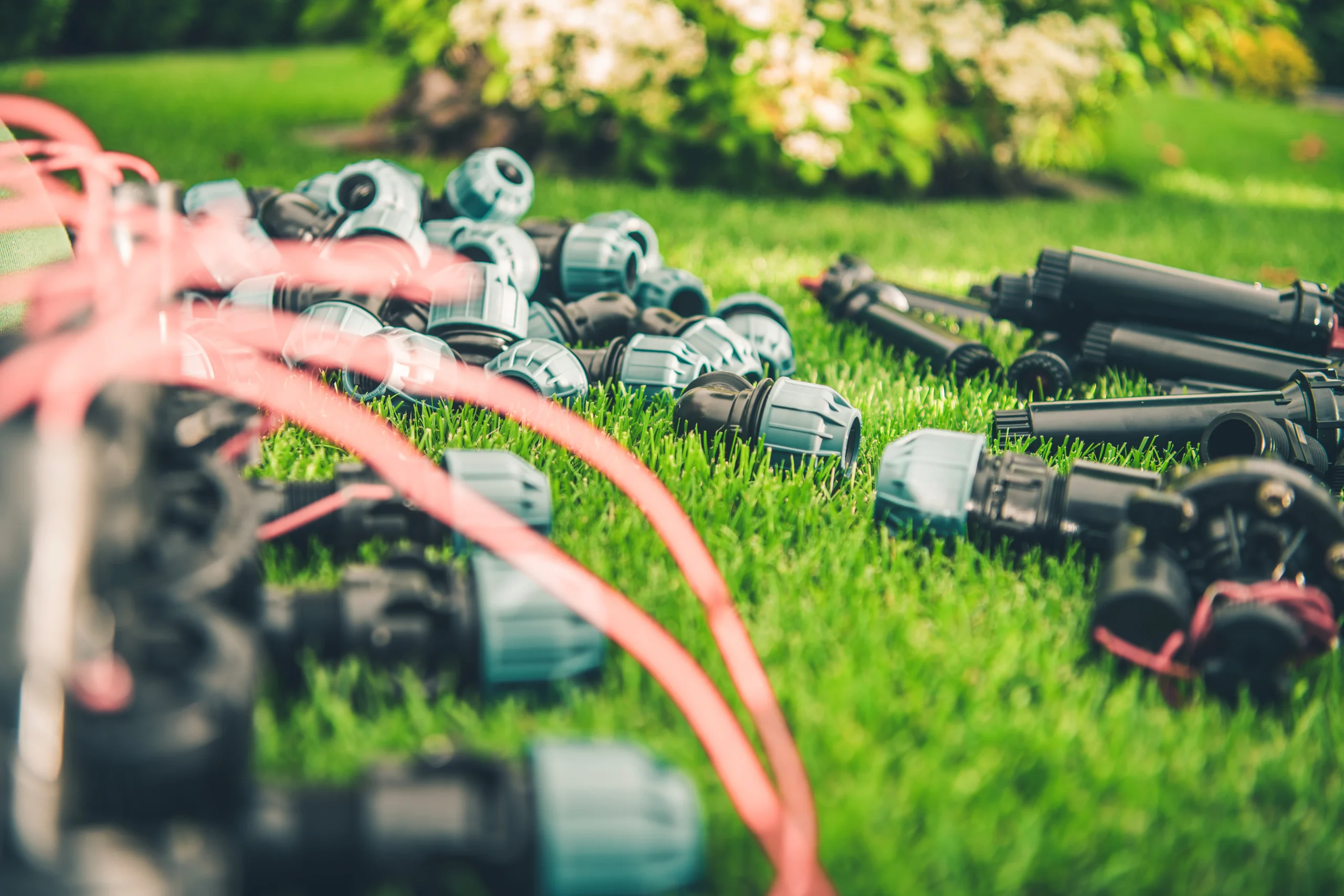
A complete maintenance visit includes inspection and adjustment of all sprinkler heads, testing every valve and zone, checking your controller programming, and verifying your rain sensor works properly. We clean clogged nozzles, realign heads that have shifted, and make sure your coverage is even across the entire lawn.
In Mangonia Park, we’re dealing with sandy soil that shifts, summer heat that runs systems hard, and water restrictions from the South Florida Water Management District that require smart scheduling. Your irrigation system needs to deliver the right amount of water to each zone without waste, and that takes regular adjustment as conditions change.
We also check for common problems that lead to bigger repairsleaking valves, cracked pipes, worn seals, and pressure issues that stress the system. Most homeowners don’t realize their sprinklers are working harder than they should until something breaks. We catch those efficiency problems early, which saves money on both water bills and future repairs. Proper maintenance typically reduces water waste by 15-20% and extends your system’s lifespan significantly.
Sprinkler FAQ
Questions homeowners in Mangonia Park ask us
How often should I schedule sprinkler system maintenance in Mangonia Park?
Most residential systems need professional maintenance twice a yearonce before the dry season starts and once mid-summer when the system’s working hardest. If you have an older system or you’ve noticed performance issues, quarterly checks make more sense until everything’s running smoothly again.
Spring maintenance prepares your system for the heavy use it’ll see through summer. We adjust watering times, check for damage from the cooler months, and make sure every zone is ready to handle daily cycles. Mid-summer maintenance catches problems that develop under stressheads that have shifted from constant use, valves that are starting to leak, zones that aren’t covering as well as they did in April.
The cost of two maintenance visits per year is typically less than one emergency repair call. And you avoid the bigger issue, which is losing parts of your lawn because a problem went unnoticed for too long.
What are the most common sprinkler problems you find during maintenance?
Misaligned or clogged heads are at the top of the list. Sprinkler heads get hit by mowers, settle into the ground, or just shift over time. When that happens, you end up watering the sidewalk instead of the grass, or you get dry spots because the coverage pattern changed.
Valve issues are nextleaking valves, valves that won’t open or close completely, or valves that stick. These problems waste water and create uneven irrigation that stresses your lawn. We also see a lot of controller programming that doesn’t match current needs, rain sensors that stopped working, and pressure problems that either starve distant heads or blow out seals on nearby ones.
The research backs this up. Every irrigation system has at least one problem, and most have several. The difference between a system that lasts 20 years and one that needs replacement after 10 is usually just consistent maintenance that addresses small issues before they cascade.
Can regular maintenance actually lower my water bill?
Yes, and sometimes dramatically. Leaking valves, broken heads, and poor coverage patterns waste a shocking amount of water. A single leaking valve can waste thousands of gallons per month, and you might not even notice it if the leak is underground or in an area where everything looks green.
During maintenance, we find and fix these waste points. We also adjust your watering schedule to match what your lawn actually needs instead of running on whatever default settings came with the system. Most systems in South Florida are overwatering because nobody’s adjusted the runtime since installation, or they’re watering at the wrong time of day when evaporation steals half of what you’re putting down.
Homeowners typically see water bill reductions of 10-20% after proper maintenance and schedule optimization. Over a year, that pays for the maintenance visits and then some. Add in the money you save by avoiding emergency repairs, and the ROI is obvious.
What happens if you find a major problem during maintenance?
We fix what we can during the visit and give you a clear explanation of anything that needs more extensive work. Most maintenance issues are minoradjustments, cleaning, small part replacements that we handle on the spot. But sometimes we find bigger problems like main line leaks, failed valves that need replacement, or controller issues that require new equipment.
When that happens, we walk you through exactly what’s wrong, why it needs attention, and what it’ll cost to fix it properly. No pressure, no inflated urgency. Some repairs can wait a few weeks if budget’s tight. Others need immediate attention to prevent damage to your lawn or property.
The advantage of finding these problems during scheduled maintenance instead of after something fails is that you have time to plan the repair instead of dealing with an emergency. And often, catching a problem early means the fix is simpler and cheaper than it would be if the issue got worse.
Do you service all types of irrigation systems?
We work on residential and commercial sprinkler systems of all typesspray heads, rotors, drip irrigation, and smart controllers. Whether your system is five years old or twenty, we have the experience and parts access to maintain it properly.
That includes older systems that might need more frequent attention and newer smart systems with weather-based controllers and soil moisture sensors. We’re familiar with all the major brands and controller types used in Palm Beach County, FL, and we keep common parts on our trucks so most repairs happen during the same visit.
If you have a system that’s been problematic or you’re not sure what type of setup you have, we can assess it during the first maintenance visit and give you a realistic picture of what it needs to run reliably. Some systems just need proper adjustment and regular care. Others might benefit from upgrades to specific zones or components that have been causing repeated issues.
What should I do between professional maintenance visits?
Walk your property once a week while the system’s running and watch for obvious problemsheads that aren’t popping up, water shooting straight up instead of spraying properly, dry spots in the lawn, or soggy areas that suggest a leak. Catching these issues early, even between maintenance visits, prevents lawn damage.
Also check your controller after heavy rain to make sure the rain sensor did its job and skipped that day’s watering cycle. If your system ran during a downpour, your sensor isn’t working and needs attention. Adjust your watering schedule seasonally tooyour lawn doesn’t need the same amount of water in October that it needs in July.
If you notice a problem between visits, don’t wait until the next scheduled maintenance to call. A broken head or leaking valve gets worse the longer it runs, and the damage to your lawn compounds quickly in Florida heat. We’d rather fix a small issue immediately than deal with a bigger repair and dead grass later.
Serving Mangonia Park
Your local sprinkler team in Mangonia Park
Find us on the map, explore helpful local resources, and see every sprinkler service we offer right here in Mangonia Park.
Helpful local resources
- Find us on Google MapsOpen A Mangonia Park, FL Map
- Local weather forecastView The Current Weather In Mangonia Park, FL
- About Mangonia ParkMangonia Park, FL is located in Palm Beach County, FL in Florida State
- Nearby post officeFind The Mangonia Park, FL USPS
- Nearby pharmacyLocate Nearby Mangonia Park, FL Pharmacies
Other sprinkler services in Mangonia Park
Free, no-pressure estimate
Get your free sprinkler estimate in Mangonia Park
Tell us what your system is doing and a local Palm Beach County technician will get right back to you — usually within one business day.
- Licensed & insured Florida contractors
- Serving Mangonia Park since 2008
- Upfront pricing — no hidden fees, no pressure
Request your free estimate