
Sprinkler System Maintenance in Palm Springs, FL
Your Lawn Stays Green Without the Water Bill
Regular sprinkler maintenance prevents the leaks, clogs, and broken heads that spike your water costs and turn your grass brown during Florida’s brutal summer heat.
- Licensed & insured
- Serving since 2008
- Free on-site estimates
Reviews
What homeowners in Palm Springs say
Real reviews from Palm Beach County customers — see why neighbors trust us with their sprinkler systems.
Irrigation Maintenance Palm Springs, FL
What Happens When Your System Actually Works Right
Your water bill drops because nothing’s leaking into the ground where it doesn’t belong. Your lawn gets the coverage it needs without those dry patches near the driveway or the swampy spots by the fence.
You’re not scrambling to find someone when a zone won’t turn on in July. You’re not adjusting your controller every few weeks trying to figure out why half the yard looks stressed.
The system runs on a schedule that makes sense for Florida’s climate. It adjusts between seasons so you’re not overwatering in winter or under-watering when temperatures hit the mid-90s. Everything works the way it’s supposed to, and you can tell just by looking at your property.
Lawn Sprinkler System Maintenance Experts
We’ve Been Fixing Palm Beach Systems Since 2008
We’ve spent years working on irrigation systems across Palm Beach County, FL. We’ve seen what Florida’s heat, humidity, and storms do to sprinkler components, and we know how to keep systems running through all of it.
Palm Springs properties deal with sandy soil that shifts, summer heat that cracks plastic fittings, and afternoon storms that fry controllers. We handle the maintenance that prevents those issues from turning into expensive emergency calls when you need your system most.
You’re working with licensed, insured technicians who show up with the parts and equipment to handle repairs on the spot. No guessing, no return trips for basic fixes.
Free, no-pressure estimate
Ready for a healthier lawn in Palm Springs?
Tell us what your system is doing and a local Palm Beach County team member will get right back to you, usually within one business day.
Our Sprinkler System Inspection Process
Here’s What Happens During a Maintenance Visit
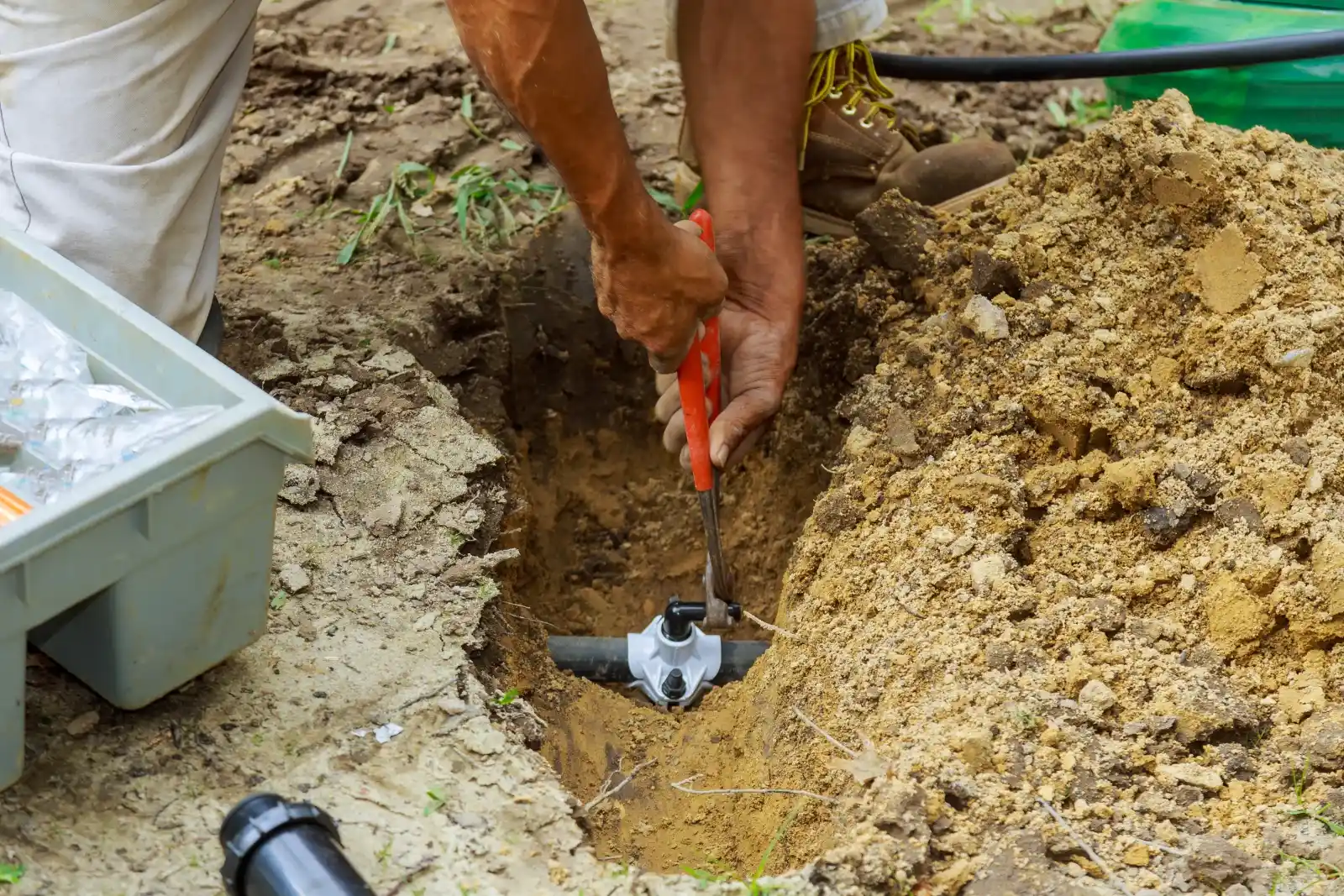
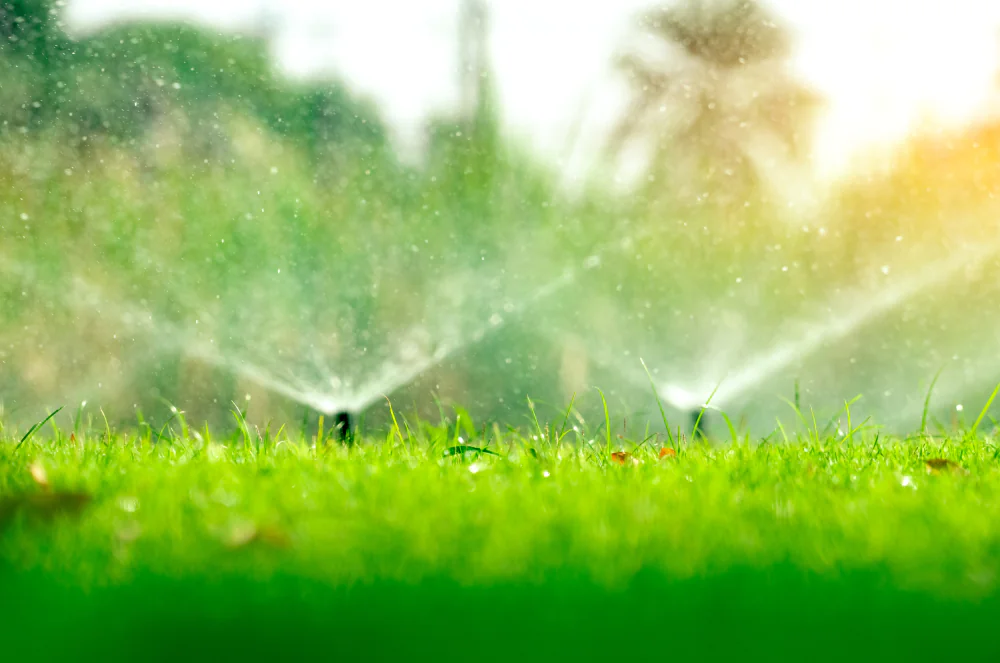
We start by running every zone and watching how the system performs. That means checking spray patterns, looking for heads that aren’t popping up, and finding any leaks or pressure issues that affect coverage.
Next, we inspect your controller settings and adjust them based on the current season and your property’s needs. Most systems are set once and forgotten, which leads to overwatering in cooler months and stressed turf when temperatures climb.
We clean or replace clogged nozzles, adjust heads that are spraying sideways or hitting the house, and test your backflow preventer. If we find worn components that are about to fail, we’ll tell you what needs attention now versus what can wait. You get a clear picture of where your system stands and what it needs to keep running efficiently.
Sprinkler System Repair Palm Springs, FL
What’s Actually Included in Regular Maintenance
Every maintenance visit includes a full system tune-up. We’re adjusting spray patterns, optimizing your controller, and making sure water pressure is distributed correctly across all zones. That’s not an upsellit’s part of keeping your irrigation system working right.
Palm Springs properties need seasonal adjustments that account for Florida’s climate swings. Your system should run differently in January than it does in June, and most homeowners don’t realize their controller needs those changes. We handle that so you’re not wasting water or stressing your lawn.
You also get a thorough inspection that catches small problems before they become expensive ones. A cracked fitting or a head that’s starting to leak might seem minor, but in Florida’s heat those issues escalate fast. We find them early, fix them during the maintenance visit, and save you from emergency repair calls during the hottest part of summer when your lawn needs consistent watering most.
Sprinkler FAQ
Questions homeowners in Palm Springs ask us
How often does a sprinkler system need maintenance in Palm Springs?
Most systems in Palm Springs benefit from maintenance twice a yearonce before summer and once before winter. Florida’s climate is tough on irrigation equipment, and regular check-ups prevent the breakdowns that always seem to happen at the worst time.
Spring maintenance prepares your system for the intense heat and heavy watering demands of summer. That’s when we’re catching worn components, adjusting for increased water needs, and making sure everything can handle months of daily use without failing.
Fall maintenance shifts your system into a lighter watering schedule and addresses any damage from summer storms or heat stress. It’s also when we’re checking for issues that developed during peak seasonleaks that got worse, heads that stopped rotating, controllers that got fried by lightning strikes. Catching these before winter means you’re not dealing with them when your lawn still needs consistent irrigation during Florida’s dry season.
What causes sprinkler systems to fail in Florida?
Heat and humidity are the biggest culprits. Plastic components crack under constant sun exposure, electrical connections corrode in high humidity, and pressure fluctuations from municipal water systems stress fittings and valves.
Sandy soil in Palm Springs shifts over time, which means heads get knocked out of alignment or buried. Tree roots grow into irrigation lines. Lawn maintenance equipment runs over heads and breaks them. These aren’t dramatic failuresthey’re gradual issues that reduce your system’s efficiency until you’re dealing with dry spots, flooded areas, or zones that won’t turn on.
Storm damage is common too. Lightning strikes fry controllers and solenoids. Heavy rain floods valve boxes. Wind blows debris into sprinkler heads. Regular maintenance catches this damage early and fixes it before it cascades into bigger problems that cost significantly more to repair.
How much does sprinkler system maintenance cost?
Standard maintenance visits typically run around $85 for a thorough inspection and tune-up. If we find components that need replacement during the visit, those repairs usually cost between $60 and $400 depending on what’s failing and how extensive the fix is.
That maintenance cost prevents the $300 to $500 emergency calls that happen when systems break down completely. It also stops the water waste that adds $50 to $100 to your monthly bill when leaks go undetected or heads spray water onto pavement instead of your lawn.
The real value is in what you avoid. A cracked pipe that floods your yard costs more to fix than several years of maintenance visits. A controller that fails during July means dead grass that costs hundreds to replace. Regular maintenance is cheaper than letting small issues turn into expensive emergencies, and it keeps your water bill reasonable by ensuring your system runs efficiently.
Can I do sprinkler maintenance myself or should I hire someone?
You can handle basic tasks like cleaning debris from heads or adjusting spray patterns if you know what you’re looking for. But most homeowners miss the issues that actually matterpressure problems, valve leaks, controller programming errors, and component wear that’s about to cause failures.
Florida’s irrigation systems have specific maintenance needs that aren’t obvious. You need to know how to check backflow preventers, test solenoids, adjust for seasonal water requirements, and spot the early signs of component failure. Missing these means you’re doing maintenance without actually preventing the problems that cost money.
Professional maintenance also means having the right parts on hand when something needs replacement. We carry common components on our trucks and can fix issues during the same visit instead of making you wait for parts to arrive while your system wastes water or leaves your lawn under-irrigated. For most property owners, the cost of professional maintenance is worth not having to diagnose problems, source parts, and spend time on repairs that might not fix the underlying issue.
What happens if I skip regular sprinkler maintenance?
Your water bill goes up first. Leaks develop slowly, heads get clogged or misaligned, and your system starts running longer to compensate for reduced efficiency. You might not notice the extra cost immediately, but over months it adds up to significantly more than maintenance would have cost.
Then your lawn starts showing problems. Dry patches appear where heads aren’t reaching. Soggy areas develop where water’s leaking underground. You’re adjusting your controller constantly trying to fix issues that are actually mechanical, not programming-related.
Eventually something breaks completelyusually during the hottest part of summer when your lawn is already stressed. A valve fails, a pipe cracks, or your controller stops working. Now you’re paying emergency rates for repairs, dealing with dead grass that needs replacement, and trying to find a technician who can fit you in quickly during their busiest season. Regular maintenance costs less and prevents all of that.
How long does a sprinkler maintenance visit take?
Most maintenance visits take one to two hours depending on your property size and what we find. We need to run each zone, watch the coverage, check all the components, and make adjustments. Rushing through it means missing problems.
If we find issues that need immediate repaira broken head, a leaking valve, a controller that needs replacementthe visit takes longer. Simple fixes add 30 minutes to an hour. More complex repairs might take half a day, but we’ll tell you what we found and how long the fix will take before we start the work.
The time investment is worth it because you’re getting a complete picture of your system’s condition. We’re not just checking boxeswe’re making sure your irrigation works efficiently, finding problems before they get expensive, and setting up your system to handle Florida’s demanding climate without breaking down when you need it most.
Serving Palm Springs
Your local sprinkler team in Palm Springs
Find us on the map, explore helpful local resources, and see every sprinkler service we offer right here in Palm Springs.
Helpful local resources
- Find us on Google MapsOpen A Palm Springs, FL Map
- Local weather forecastView The Current Weather In Palm Springs, FL
- About Palm SpringsPalm Springs, FL is located in Palm Beach County, FL in Florida State
- Nearby post officeFind The Palm Springs, FL USPS
- Nearby pharmacyLocate Nearby Palm Springs, FL Pharmacies
Other sprinkler services in Palm Springs
Free, no-pressure estimate
Get your free sprinkler estimate in Palm Springs
Tell us what your system is doing and a local Palm Beach County technician will get right back to you — usually within one business day.
- Licensed & insured Florida contractors
- Serving Palm Springs since 2008
- Upfront pricing — no hidden fees, no pressure
Request your free estimate