
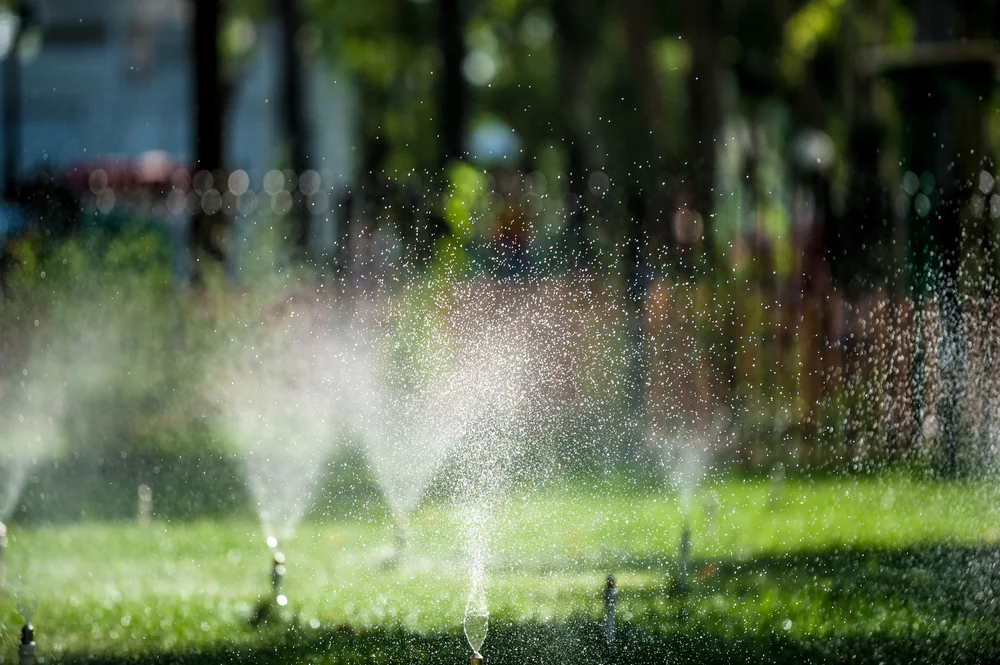
Sprinkler System Maintenance in Pine Air, FL
Your System Works Until It Doesn’t
Routine maintenance catches the expensive problems earlybefore dead zones show up in your lawn or your water bill doubles overnight.
- Licensed & insured
- Serving since 2008
- Free on-site estimates
Reviews
What homeowners in Pine Air say
Real reviews from Palm Beach County customers — see why neighbors trust us with their sprinkler systems.
Irrigation Maintenance Services in Pine Air
What Happens When Your System Actually Works Right
Your lawn stays green without guessing. No brown patches in July. No flooded sidewalks or surprise $400 water bills because a valve stuck open for three weeks.
Regular sprinkler system maintenance means your irrigation runs on schedule, waters evenly, and shuts off when it’s supposed to. In Pine Air, FL, where summer heat doesn’t mess around, that’s the difference between a landscape that thrives and one that costs you money to replace.
Most people don’t think about their system until something breaks. By then, you’re paying emergency rates during the hottest week of the year. A quarterly inspection runs about $85. The repair call you’re avoiding? Closer to $500, and that’s if the damage didn’t spread.
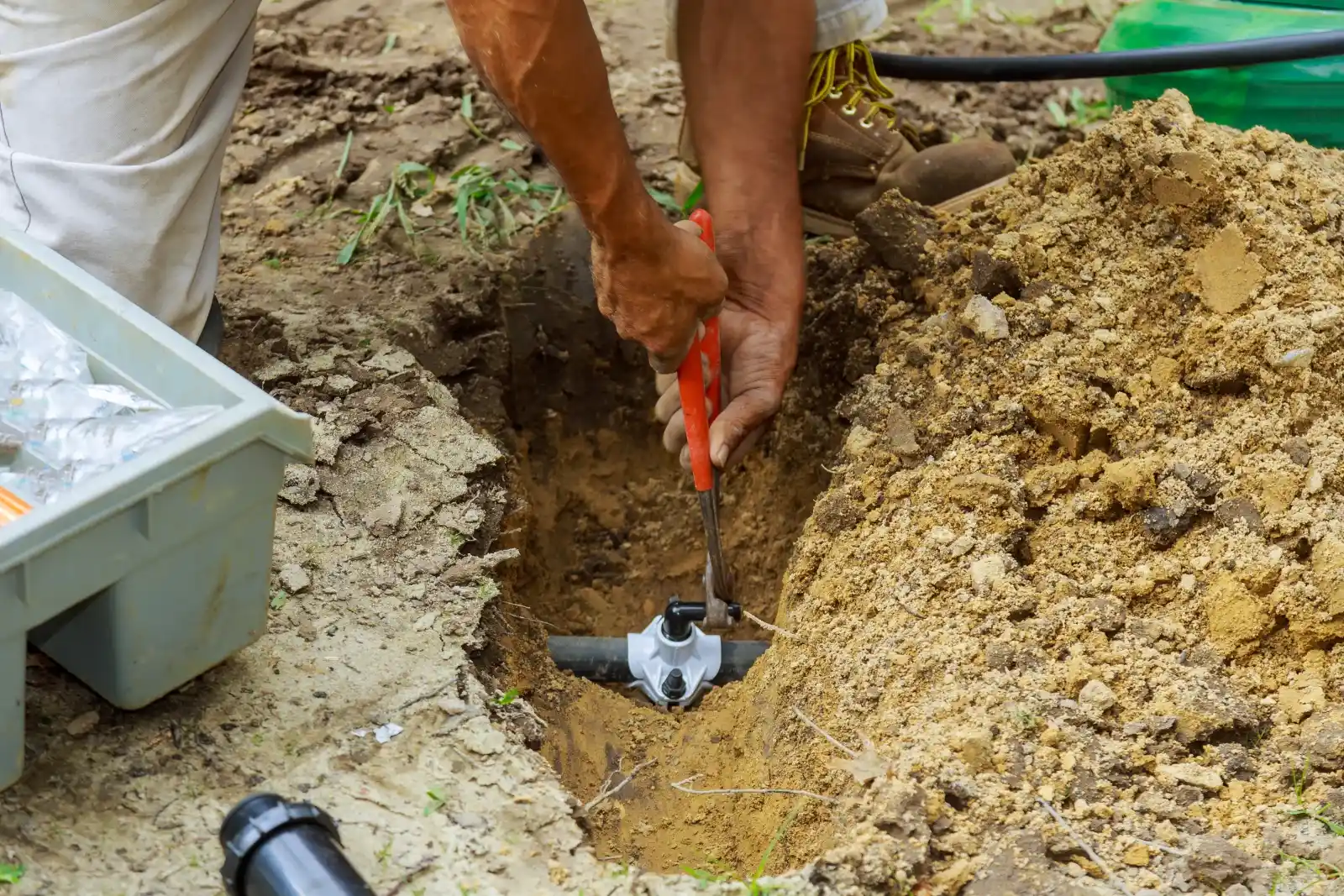
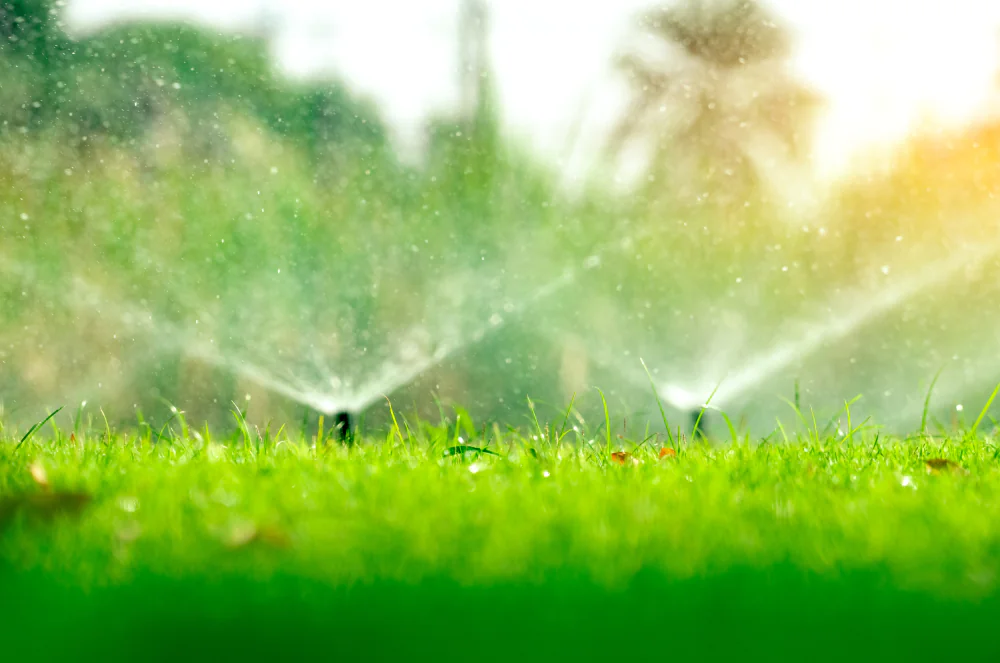
Sprinkler Repair Experts in Pine Air, FL
We’ve Been Fixing These Systems for Over 15 Years
We handle irrigation systems across Palm Beach County, FL. We’ve seen what Florida weather does to sprinkler componentsthe valve boxes that flood during storms, the controllers that fail in the humidity, the plastic fittings that crack under constant heat.
Pine Air properties deal with the same challenges the rest of South Florida faces: water restrictions, sandy soil that drains fast, and summer heat that punishes any system running inefficiently. We adjust for that. Every inspection accounts for local conditions, not some generic checklist that works in Arizona but fails here.
We’re licensed, insured, and we’ve been doing this long enough to know what actually breaks and why.
Free, no-pressure estimate
Ready for a healthier lawn in Pine Air?
Tell us what your system is doing and a local Palm Beach County team member will get right back to you, usually within one business day.
Our Lawn Sprinkler System Maintenance Process
Here’s What Happens During a Maintenance Visit
We start by running every zone while walking your property. That’s where you see the real problemsheads that aren’t popping up, zones with weak pressure, areas getting too much water or none at all.
Next, we check your controller settings. Most systems in Pine Air are still programmed for summer watering in the middle of winter. That’s how you end up with fungus in your grass and a water bill that doesn’t make sense. We adjust frequency and duration based on the actual season and what your landscape needs right now.
Then we inspect the mechanical components. Clogged nozzles get cleaned or replaced. Leaking valves get rebuilt. Broken heads get swapped out. If there’s a line leak underground, we’ll catch it earlybefore it turns into a sinkhole in your yard.
You get a full report on what we found, what we fixed, and what might need attention in the next few months. No surprises. No upselling. Just the truth about where your system stands.
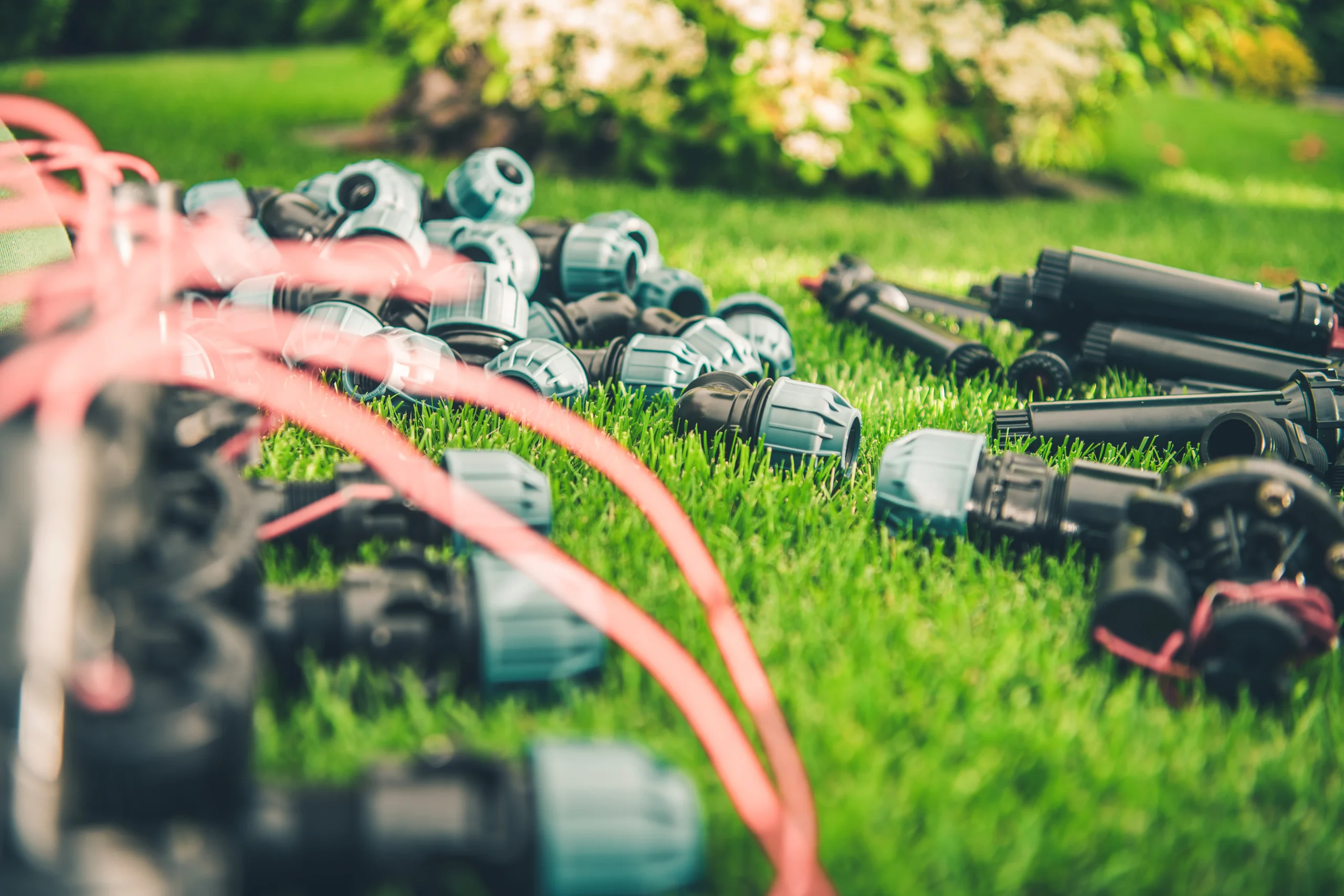
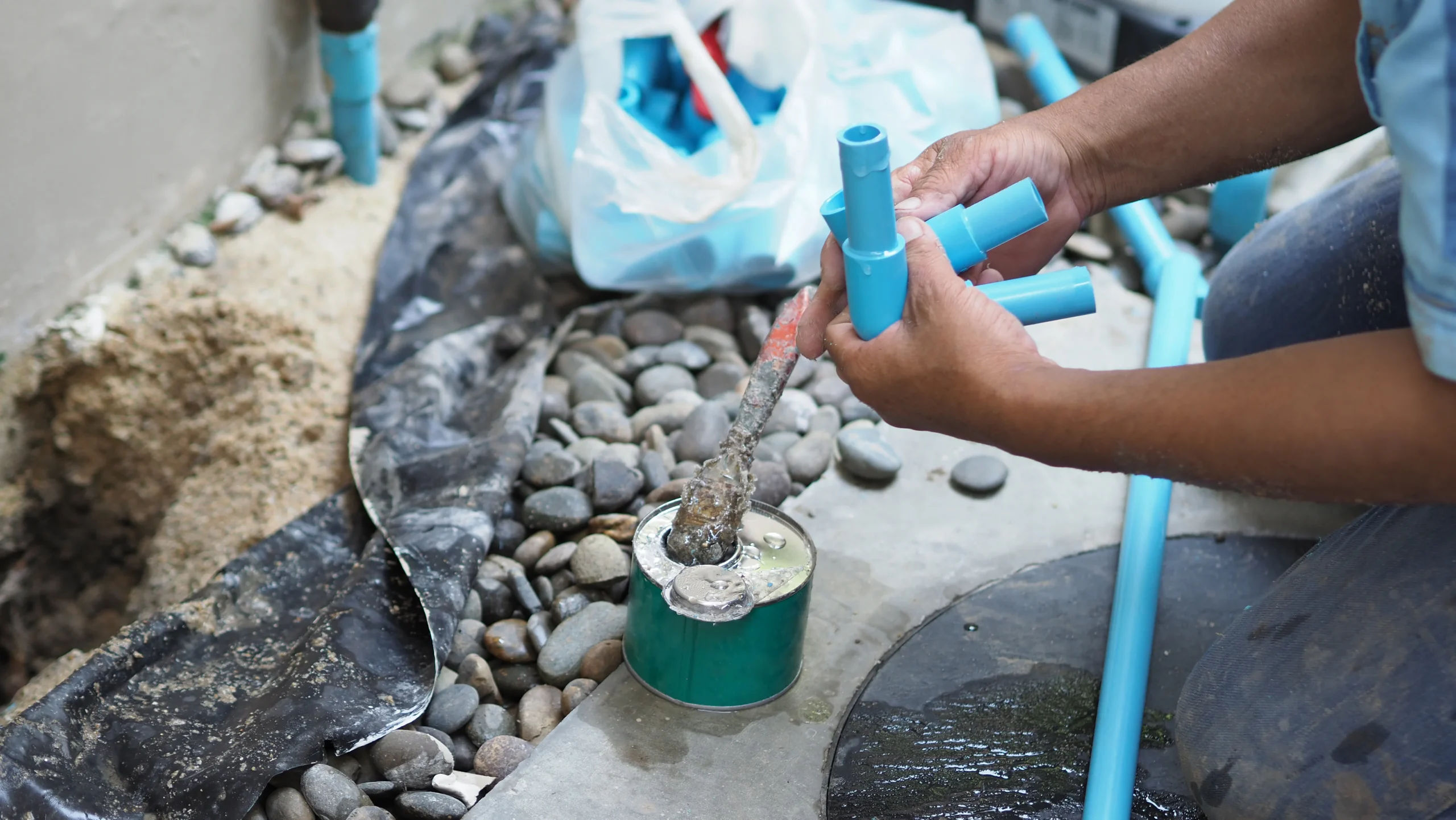
What’s Included in Sprinkler System Inspection
What You’re Actually Paying For
Every maintenance visit includes a full system inspectionup to five zonesplus any adjustments or minor repairs needed to get things running right. We test water pressure across all zones because uneven pressure is usually the first sign something’s failing. We examine every sprinkler head for clogs, damage, or misalignment that’s wasting water on your driveway instead of your lawn.
Controller programming gets updated for the current season. In Pine Air, that matters more than most people realize. Your lawn needs about 30% less water in December than it does in July, but most controllers never get adjusted. We also make sure you’re compliant with Palm Beach County, FL water restrictionswrong watering days can mean fines, and nobody wants that.
All repairs come with a one-year guarantee. We’re not interested in coming back to fix the same problem twice. If a valve fails or a head cracks within a year, we handle it. That’s how maintenance should work.
Sprinkler FAQ
Questions homeowners in Pine Air ask us
How often does a sprinkler system in Pine Air actually need maintenance?
Four times a year is the standard if you want to avoid problems. That’s once per season, which gives us a chance to adjust your watering schedule as the weather changes and catch component failures before they cascade into bigger issues.
Some properties can stretch it to twice a yearspring and fallif the system is newer and you’re paying attention to performance between visits. But in Florida, where heat and humidity accelerate wear on plastic and rubber components, quarterly is the safer play.
If you’re seeing uneven watering, higher water bills, or zones that won’t shut off, don’t wait for the next scheduled visit. Those problems get worse fast, and the repair costs go up with them.
What breaks most often on irrigation systems in South Florida?
Valves and sprinkler heads. Valves stick open or closed because of debris in the lines or diaphragms that wear out from constant use. When a valve sticks open, that zone runs nonstop until someone noticesusually when the water bill arrives.
Sprinkler heads crack from heat exposure or get clogged with sand and sediment. Pine Air’s sandy soil is notorious for getting into lines during repairs or backflow issues. Once a nozzle clogs, that head stops spraying correctly, and you get dry spots.
Controllers fail too, especially the older models that aren’t built to handle Florida humidity. We’ve replaced dozens of controllers where moisture got into the wiring and fried the circuit board. It’s not always dramaticsometimes the system just stops running one day, and the controller won’t respond.
Can I just fix sprinkler problems myself when I notice them?
You can try, but most DIY fixes create new problems. Replacing a sprinkler head sounds simple until you crack the fitting while tightening it or use the wrong nozzle type and throw off the pressure balance for that entire zone.
Valve repairs are worse. If you don’t reassemble the diaphragm correctly, the valve leaks internally and you won’t know until your water bill doubles. And if there’s a line leak underground, you’re guessing at the location unless you’ve done this before.
The bigger issue is diagnosis. What looks like a broken head might actually be a pressure problem or a clogged filter. Fixing the head doesn’t solve anything, and now you’ve spent money and time on the wrong repair. That’s usually when people call usafter the DIY attempt didn’t work and the problem got worse.
How much water am I wasting if my system isn’t maintained?
One leaking valve or cracked pipe can waste over 120,000 gallons per month. That’s not a typo. A line that’s spraying underground or a valve stuck partially open doesn’t always create visible floodingit just runs your meter constantly.
Even smaller issues add up. Clogged nozzles cause uneven coverage, so you overwater the whole zone trying to keep the dry spots alive. Misaligned heads spray your fence or driveway instead of your lawn. A controller programmed for summer watering in the middle of winter is running twice as long as it should.
Most people don’t notice until the utility bill arrives, and by then you’ve already paid for the waste. A maintenance visit catches these problems early, which is why the $85 inspection usually pays for itself in water savings within a month or two.
What happens during Florida’s rainy seasonshould I still run my system?
Most of the time, no. If you’re getting consistent afternoon storms, your lawn doesn’t need supplemental irrigation. But your system should still be functional and ready to go when the rain stops, which is why seasonal maintenance matters even during wet months.
We adjust your controller to account for rainfall, either by reducing run times or adding a rain sensor that pauses watering when it’s not needed. A lot of Pine Air properties are still running their irrigation during rainy season because nobody updated the schedule, and that’s pure waste.
The other issue is that rainy season floods valve boxes and stresses electrical components. We check for standing water in boxes, corrosion on wiring, and valve diaphragms that are starting to fail from constant moisture exposure. Catching that early means you’re not dealing with a dead system in October when the rain stops and your lawn actually needs water again.
Do you guarantee the repairs, or am I paying again if something breaks?
Every repair includes a one-year guarantee. If the part we installed fails or the problem comes back, we fix it at no charge. That covers the component and the laboryou’re not paying twice for the same issue.
The guarantee doesn’t cover new problems or damage from someone else working on the system, but it does cover anything related to the original repair. If we replace a valve and it leaks six months later because of a defective diaphragm, that’s on us.
We use quality parts and install them correctly the first time, which is why warranty claims are rare. But the guarantee is there because that’s how service should workyou pay for a fix, and it should stay fixed.
Serving Pine Air
Your local sprinkler team in Pine Air
Find us on the map, explore helpful local resources, and see every sprinkler service we offer right here in Pine Air.
Helpful local resources
- Find us on Google MapsOpen A Pine Air, FL Map
- Local weather forecastView The Current Weather In Pine Air, FL
- About Pine AirPine Air, FL is located in Palm Beach County, FL in Florida State
- Nearby post officeFind The Pine Air, FL USPS
- Nearby pharmacyLocate Nearby Pine Air, FL Pharmacies
Free, no-pressure estimate
Get your free sprinkler estimate in Pine Air
Tell us what your system is doing and a local Palm Beach County technician will get right back to you — usually within one business day.
- Licensed & insured Florida contractors
- Serving Pine Air since 2008
- Upfront pricing — no hidden fees, no pressure
Request your free estimate