
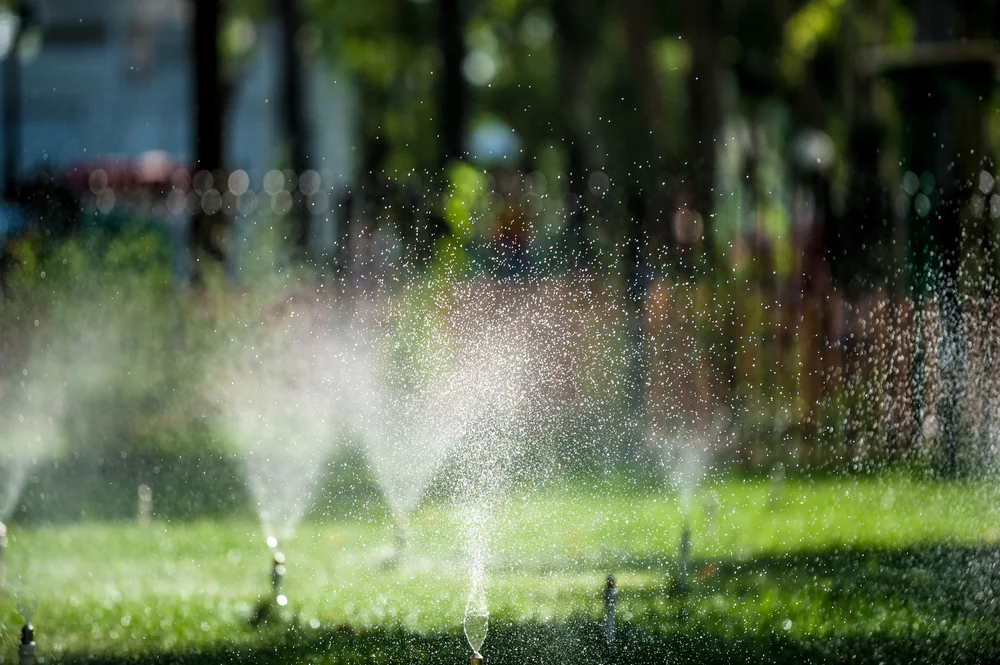
Sprinkler System Maintenance in Royal Palm Beach, FL
Your Lawn Stays Green Without the Water Bill Shock
Regular irrigation maintenance catches leaks early, adjusts for Florida’s seasons, and keeps your system running exactly how it should.
- Licensed & insured
- Serving since 2008
- Free on-site estimates
Free estimate
Get your free sprinkler estimate
A local Palm Beach County team member will get back to you within one business day.
Reviews
What homeowners in Royal Palm Beach say
Real reviews from Palm Beach County customers — see why neighbors trust us with their sprinkler systems.
Irrigation Maintenance That Cuts Water Waste
Lower Bills, Healthier Grass, Zero Surprise Breakdowns
You’re not looking for someone to just show up and check boxes. You need your sprinkler system to work when it’s supposed to, water what it’s supposed to, and not cost you hundreds in wasted water every month.
A well-maintained system doesn’t overwater your lawn during rainy season or leave dry patches when Royal Palm Beach hits those long stretches without rain. It adjusts to what your yard actually needs, not what the timer was set to three years ago.
When heads get clogged, valves stick, or zones stop working, you don’t always notice right away. But your water bill does. Regular irrigation system maintenance finds those problems before they turn into expensive repairs or dead grass you have to replace.
Sprinkler Repair Experts in Royal Palm Beach
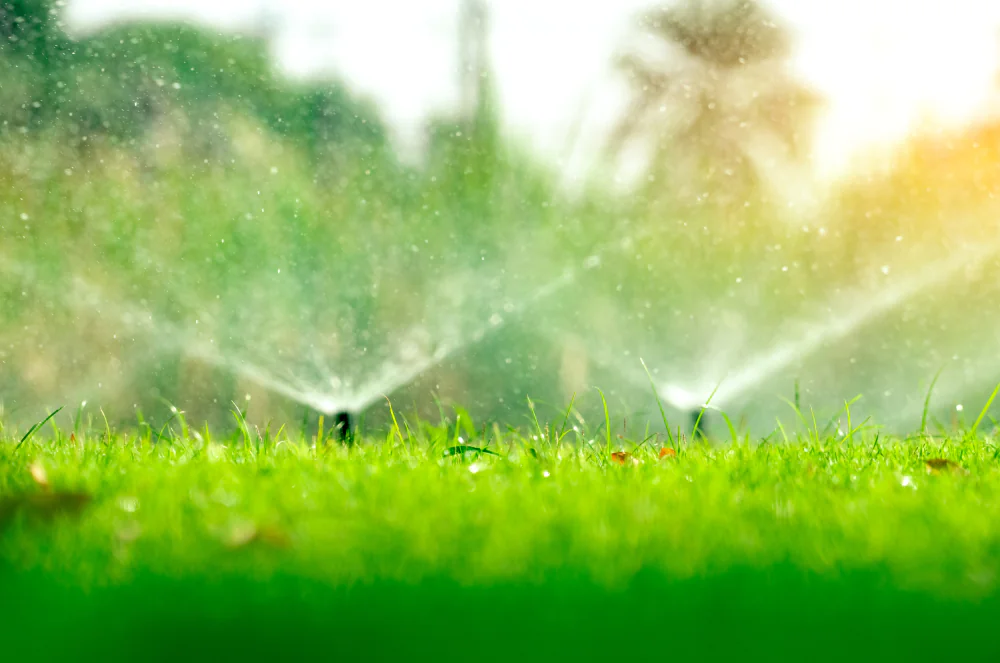
We’ve Been Fixing Royal Palm Beach Systems Since 2008
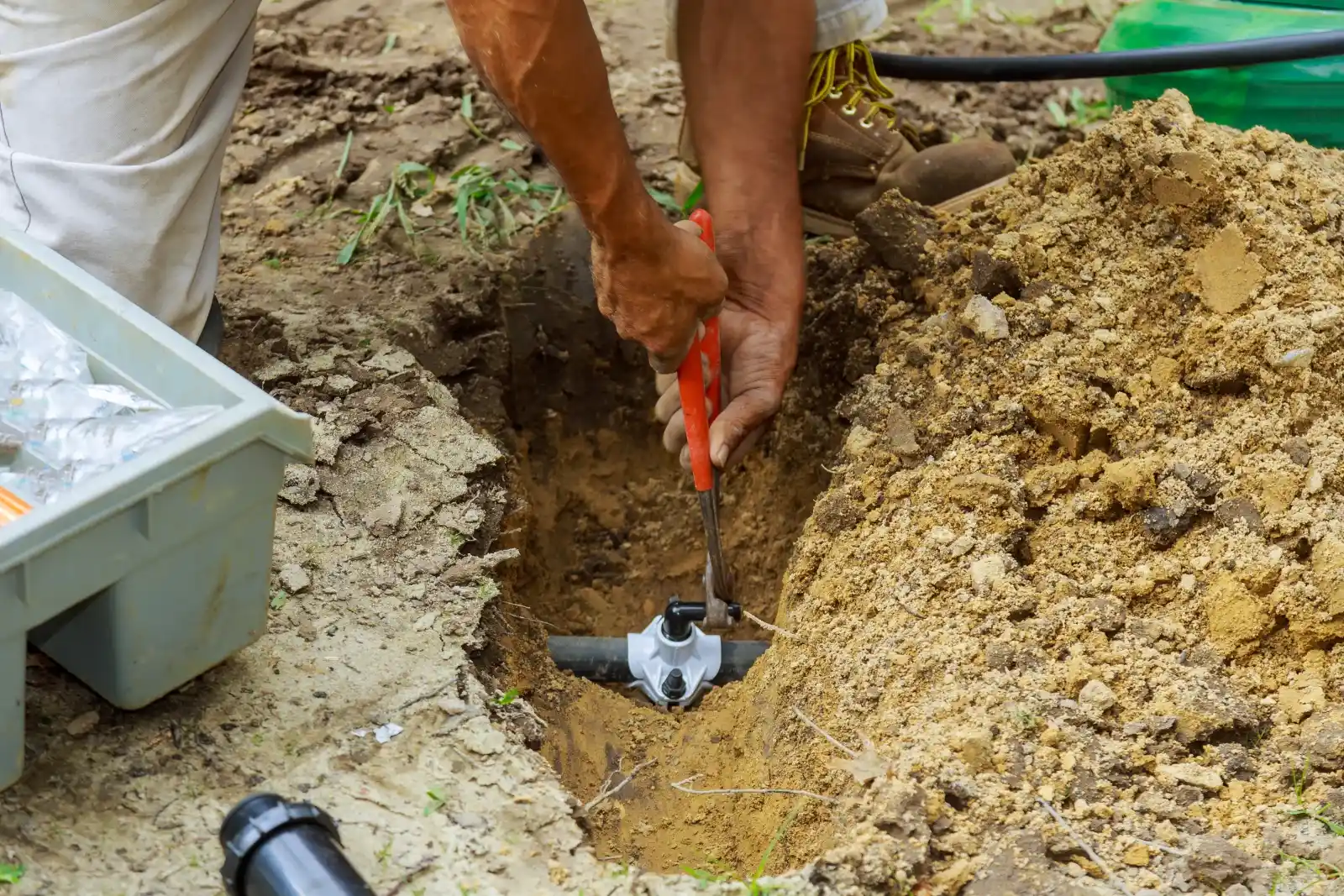
We’ve spent over 15 years working on irrigation systems across Palm Beach County, FL. We’ve seen what breaks, what lasts, and what actually works in Florida’s climate.
Royal Palm Beach properties deal with sandy soil, intense summer heat, and water restrictions that change depending on the season. Your system has to handle all of that without wasting water or leaving your landscaping to fry in the sun.
We’re not new to this area, and we’re not learning on your property. We know how systems should run here because we’ve maintained thousands of them.
Free, no-pressure estimate
Ready for a healthier lawn in Royal Palm Beach?
Tell us what your system is doing and a local Palm Beach County team member will get right back to you, usually within one business day.
Our Sprinkler System Maintenance Process
Here’s What Happens During a Maintenance Visit
We start by running through every zone on your system to see what’s actually happening when it turns on. That means checking each sprinkler head for clogs, breaks, or misalignment that’s watering your driveway instead of your grass.
Next, we test the valves and controller to make sure everything’s opening and closing when it should. A valve that doesn’t fully close can waste thousands of gallons without you ever seeing a puddle. We also inspect for leaks in the lines, which are common in Florida’s shifting soil and can quietly drain your wallet for months.
After that, we adjust your timer settings based on the current season and local watering restrictions. What worked in February doesn’t work in July, and most systems never get updated. We also clean or replace any worn parts and make sure your rain sensor is actually workinga lot of them stop functioning and nobody realizes it.
You get a rundown of what we found, what we fixed, and what might need attention down the road. No surprises, no upselling, just the truth about where your system stands.
What’s Included in Lawn Sprinkler Maintenance
Every Inspection Covers the Full System
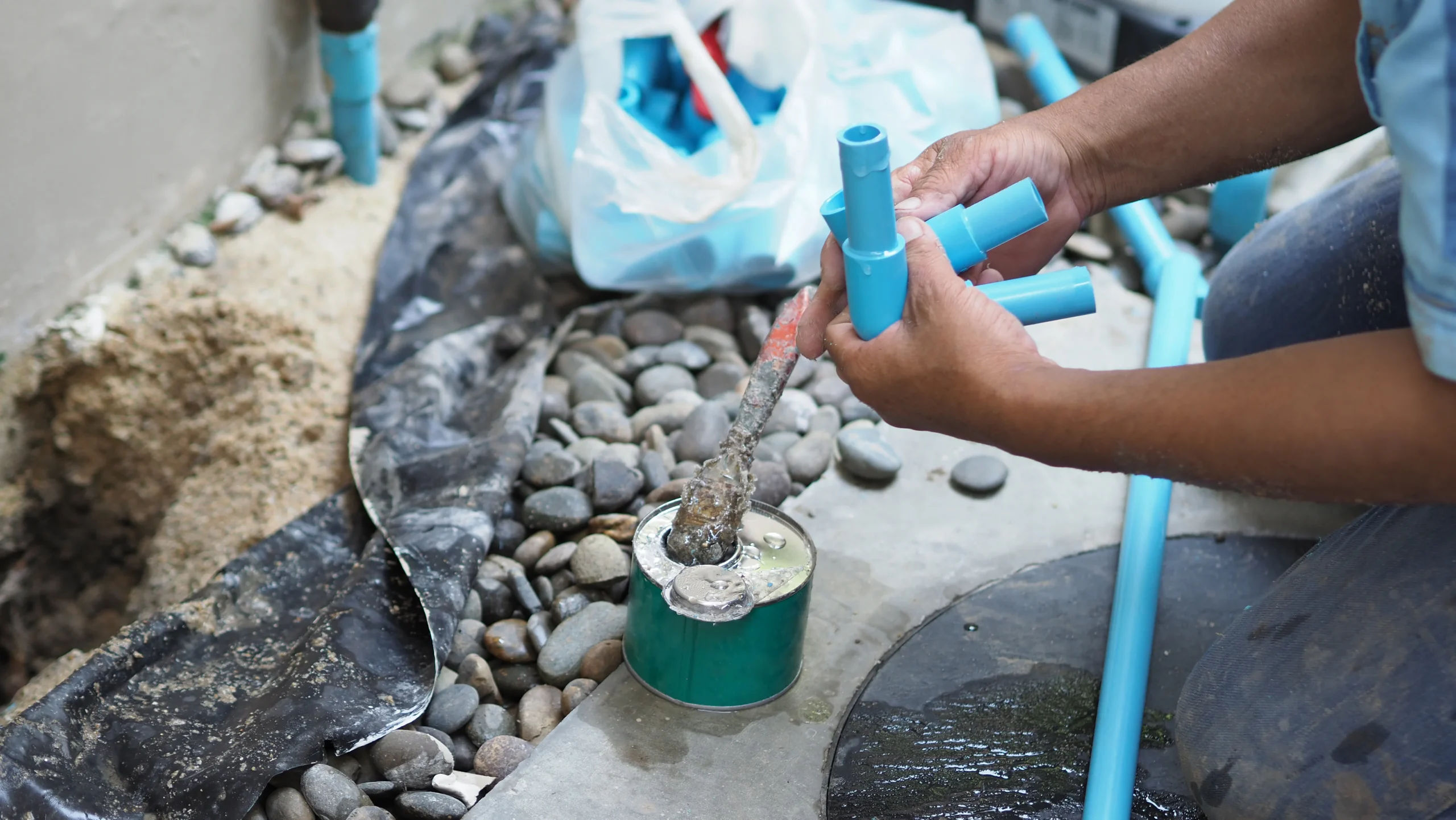
A real maintenance visit isn’t just a quick walkthrough. We inspect every sprinkler head, every valve, every zone, and the controller. That includes checking water pressure, looking for leaks you can’t see, and making sure your coverage is even across the whole yard.
Royal Palm Beach falls under South Florida Water Management District rules, which means your watering schedule has to follow specific days and times depending on your address. We program your system to stay compliant while still giving your lawn what it needs. Getting hit with a violation fine is avoidable, and so is the hassle of dealing with the city.
We also look at how your system handles Florida’s weather swings. If you’ve got a rain sensor that’s supposed to skip watering after a storm but doesn’t, you’re paying to water mud. If your heads are spraying too high and losing half the water to wind evaporation on a hot day, that’s another problem we fix.
Most of our maintenance visits wrap up in under two hours, and if we find something that needs a repair, we’ll walk you through it before doing any work. You’ll know what it costs and why it matters.
Sprinkler FAQ
Questions homeowners in Royal Palm Beach ask us
How often should I schedule sprinkler system maintenance in Royal Palm Beach?
Most systems in Royal Palm Beach should get a professional inspection at least twice a yearonce before dry season and once before the heavy rains start. Florida’s climate is tough on irrigation systems, and a lot can go wrong between visits.
If your system is older, if you’ve got a larger property, or if you’ve noticed any issues like uneven watering or higher bills, you might want to check it more often. Monthly inspections aren’t overkill for commercial properties or HOAs that can’t afford downtime.
The goal is to catch small problemsa cracked head, a slow leak, a valve that’s stickingbefore they become expensive repairs or kill sections of your lawn. Waiting until something breaks usually costs more than just keeping up with it.
What are the most common sprinkler problems in Royal Palm Beach?
Clogged heads are at the top of the list. Royal Palm Beach has sandy soil and hard water, which means mineral buildup and debris get into the lines and block the spray pattern. You’ll see it as dry spots or heads that barely trickle.
Valve issues are another big one. Valves can stick open or closed, especially after sitting unused for a while. A stuck-open valve means that zone is constantly running or leaking underground, which you won’t notice until the water bill arrives.
Broken or misaligned heads happen a lot, usually from lawn mowers, foot traffic, or just age. If a head is tilted or cracked, it’s watering the sidewalk or your neighbor’s yard instead of your grass. Timer problems are common toocontrollers can get fried during storms or just stop holding settings after a few years.
Can regular maintenance really lower my water bill?
Yes, and sometimes by a lot. A single leaking valve or cracked line can waste thousands of gallons a month without leaving any visible puddles. If your system is running longer than it needs to because nobody’s adjusted it for the season, that’s more waste.
Clogged or broken heads also drive up costs because your system has to run longer to cover the same area. If three heads in a zone aren’t working right, the timer compensates by running that zone longer, which means you’re paying for water that’s not even reaching your lawn.
We’ve seen water bills drop 30% or more after a maintenance visit that fixed a few hidden leaks and adjusted the run times. It’s not magicit’s just getting the system back to doing what it’s supposed to do instead of working twice as hard to make up for broken parts.
What happens if you find a problem during a maintenance visit?
We’ll stop and explain what’s going on, what needs to be fixed, and what it’s going to cost before we do anything. No surprise charges, no work you didn’t approve.
Some problems we can fix on the spotreplacing a head, adjusting a valve, cleaning out a clogged nozzle. If it’s something bigger, like a mainline leak or a controller that needs replacing, we’ll give you a clear estimate and schedule the repair for a time that works for you.
You’re never locked into a repair you don’t want. But we will tell you what’s urgent and what can wait. If a valve is leaking underground and costing you $200 a month in water, that’s worth fixing now. If a head is slightly worn but still working, that can probably wait until the next visit.
Do you adjust sprinkler systems for Florida’s watering restrictions?
Yes, and it’s part of every maintenance visit. Royal Palm Beach follows Palm Beach County, FL’s watering ordinance, which limits irrigation to two days a week and specific hours depending on your address. Your system has to be programmed to follow those rules, or you’re risking fines.
We set your controller to the correct days and times based on your street addressodd addresses water on different days than even addresses. We also make sure your system isn’t running during restricted hours, which are typically mid-morning through early evening when evaporation is highest.
If the county changes the rules, which happens during droughts, we’ll update your system to stay compliant. A lot of people don’t realize their timer is set wrong until they get a notice from the city. We make sure that doesn’t happen.
What’s the difference between maintenance and a repair?
Maintenance is preventiveit’s checking the system, cleaning parts, adjusting settings, and catching problems before they get worse. A repair is fixing something that’s already broken or not working right.
During a maintenance visit, we might tighten a loose head, clear a clog, or reprogram your timer. Those are small fixes that keep everything running smoothly. A repair is when a valve needs to be rebuilt, a line needs to be replaced, or a controller is fried and has to be swapped out.
Think of maintenance like an oil change and a repair like replacing the engine. One keeps you on the road, the other gets you moving again after something fails. Regular maintenance reduces the number of repairs you’ll need, but it doesn’t eliminate them completelysystems wear out over time, especially in Florida’s climate.
Serving Royal Palm Beach
Your local sprinkler team in Royal Palm Beach
Find us on the map, explore helpful local resources, and see every sprinkler service we offer right here in Royal Palm Beach.
Helpful local resources
- Find us on Google MapsOpen A Royal Palm Beach, FL Map
- Local weather forecastView The Current Weather In Royal Palm Beach, FL
- About Royal Palm BeachRoyal Palm Beach, FL is located in Palm Beach County, FL in Florida State
- Nearby post officeFind The Royal Palm Beach, FL USPS
- Nearby pharmacyLocate Nearby Royal Palm Beach, FL Pharmacies
Other sprinkler services in Royal Palm Beach
Free, no-pressure estimate
Get your free sprinkler estimate in Royal Palm Beach
Tell us what your system is doing and a local Palm Beach County technician will get right back to you — usually within one business day.
- Licensed & insured Florida contractors
- Serving Royal Palm Beach since 2008
- Upfront pricing — no hidden fees, no pressure
Request your free estimate