
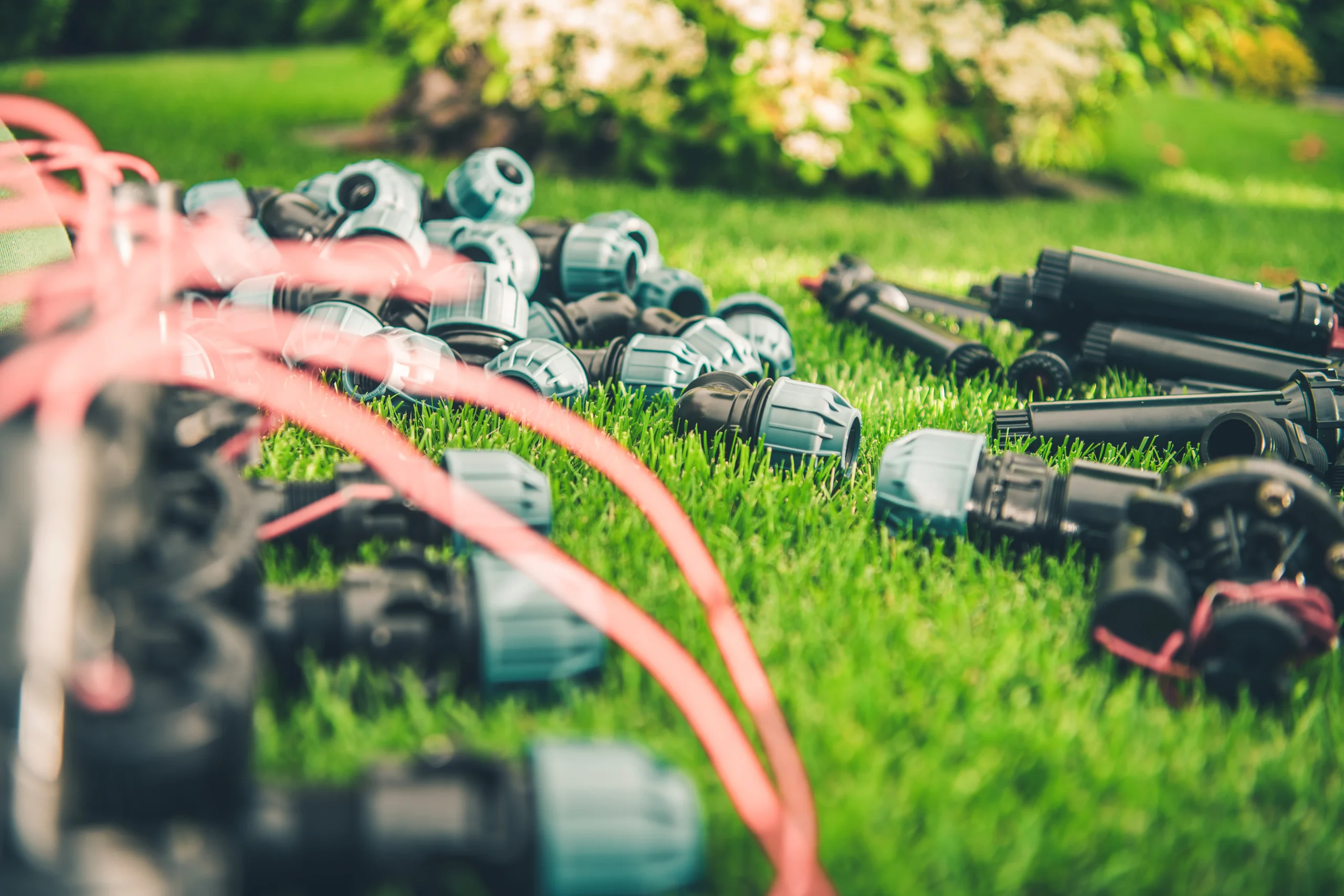
Sprinkler System Maintenance in Tequesta, FL
Your Lawn Stays Green Without the Headaches
Regular maintenance catches problems before they cost you hundreds in emergency repairs and thousands in dead landscaping.
- Licensed & insured
- Serving since 2008
- Free on-site estimates
Reviews
What homeowners in Tequesta say
Real reviews from Palm Beach County customers — see why neighbors trust us with their sprinkler systems.
Irrigation Maintenance in Tequesta, FL
What Happens When Your System Actually Works
Your water bill stops climbing for no reason. Those brown patches disappear because every zone gets the right amount of water at the right time. You’re not calling for emergency repairs in July when it’s 95 degrees and nothing’s been watered for three days.
Most irrigation problems don’t announce themselves. A stuck valve runs all night and you don’t notice until the bill arrives. A clogged nozzle means one section of your yard slowly dies while the rest looks fine. A controller that’s off by 20 minutes doesn’t seem like a big deal until you realize you’ve been watering during the hottest part of the day for two months.
Regular sprinkler system maintenance fixes these issues before they become visible. You get consistent coverage, lower water bills, and a system that actually does its job. Your landscaping investment stays protected because the irrigation system maintenance happens on a schedule, not when something breaks.
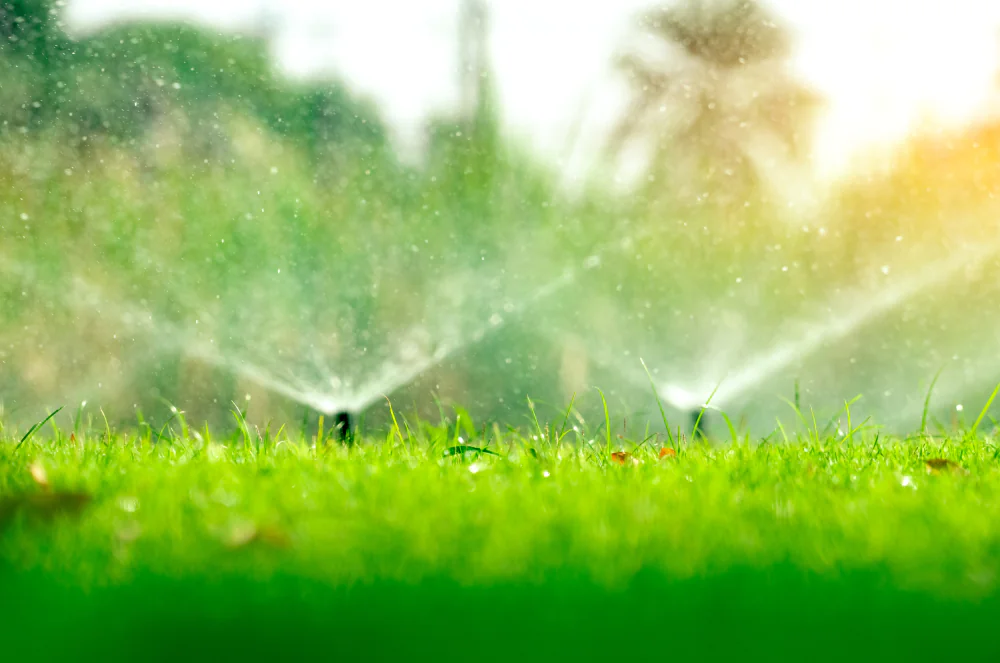
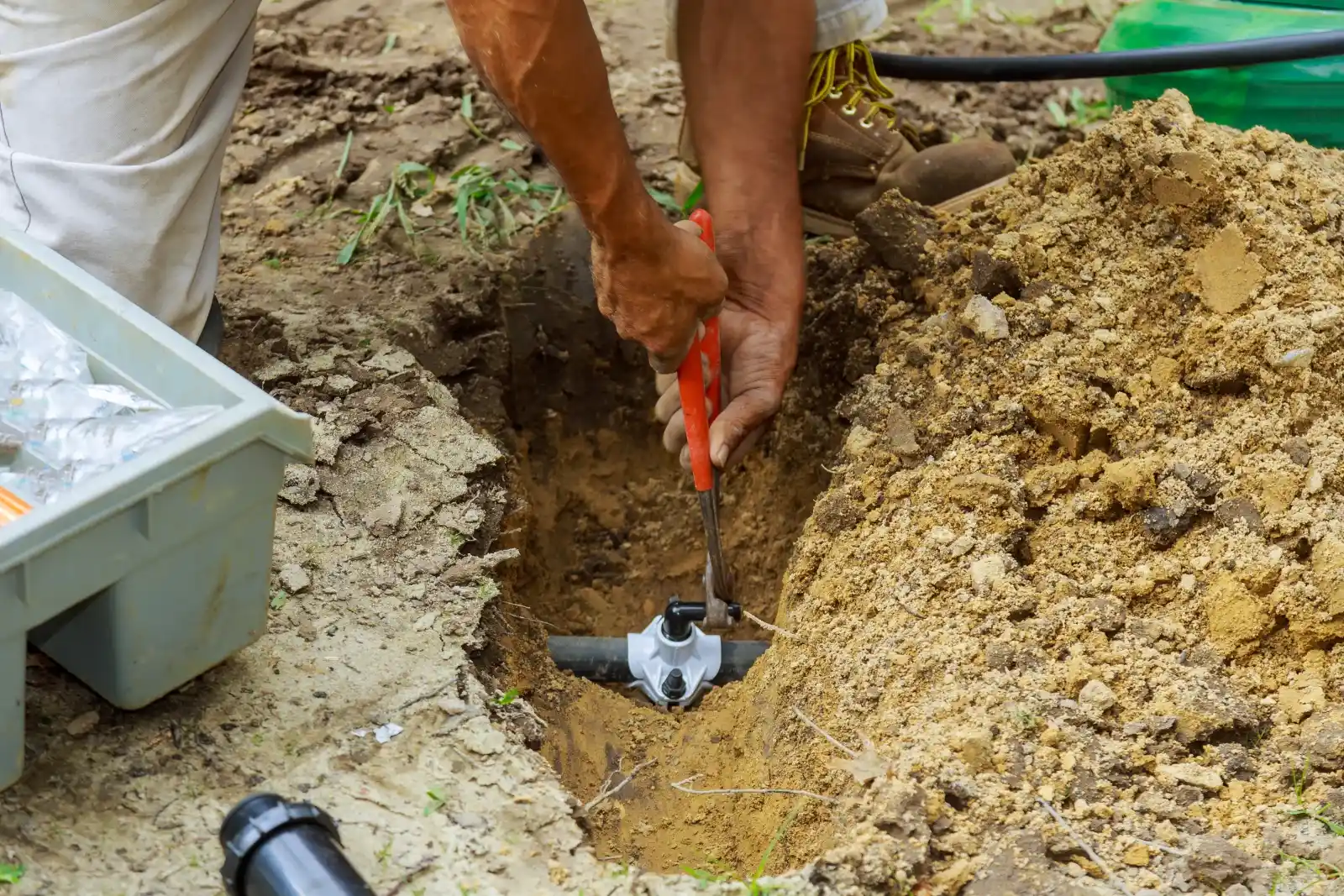
Sprinkler Maintenance Tequesta, FL
We Know What Breaks in Florida
We handle irrigation systems across Palm Beach County, FL. We’ve seen what Florida’s heat, humidity, and summer storms do to sprinkler components. Solenoids fail differently here than they do in other climates. Controllers corrode faster. Plastic parts stress and crack under constant UV exposure.
Tequesta properties need maintenance schedules that account for these conditions. Your system works harder here than it would in most places, which means it needs more attention. We’ve been servicing residential and commercial irrigation systems in this area long enough to know which parts fail first and how to prevent it.
Most of our maintenance clients haven’t had an emergency repair in years. That’s the point.
Free, no-pressure estimate
Ready for a healthier lawn in Tequesta?
Tell us what your system is doing and a local Palm Beach County team member will get right back to you, usually within one business day.
Lawn Sprinkler System Maintenance Process
Here’s What Actually Happens During Service
We start with a full system inspection. Every zone runs while we watch. We’re looking for coverage gaps, misting heads, geysers, and anything that’s not spraying the way it should. Controller settings get checked against what your property actually needs right now, not what someone programmed three years ago.
Then we adjust. Spray patterns get dialed in so you’re watering grass, not driveways. Nozzles get cleaned or replaced if they’re clogged or damaged. Pressure gets balanced across zones. If something’s broken, we tell you what it is, what it costs, and whether it’s urgent or can wait.
Seasonal programming changes based on the time of year. Your lawn needs different watering schedules in January versus July. We adjust run times and frequency so you’re not overwatering in winter or underwatering when it’s hot. You get a system tuned for current conditions, not generic factory settings.
Most maintenance visits catch two or three small issues that would’ve become expensive problems within a few months. A valve that’s starting to stick. A head that’s sinking. A wire connection that’s corroding. Fixing these during scheduled maintenance costs a fraction of what emergency repairs run.
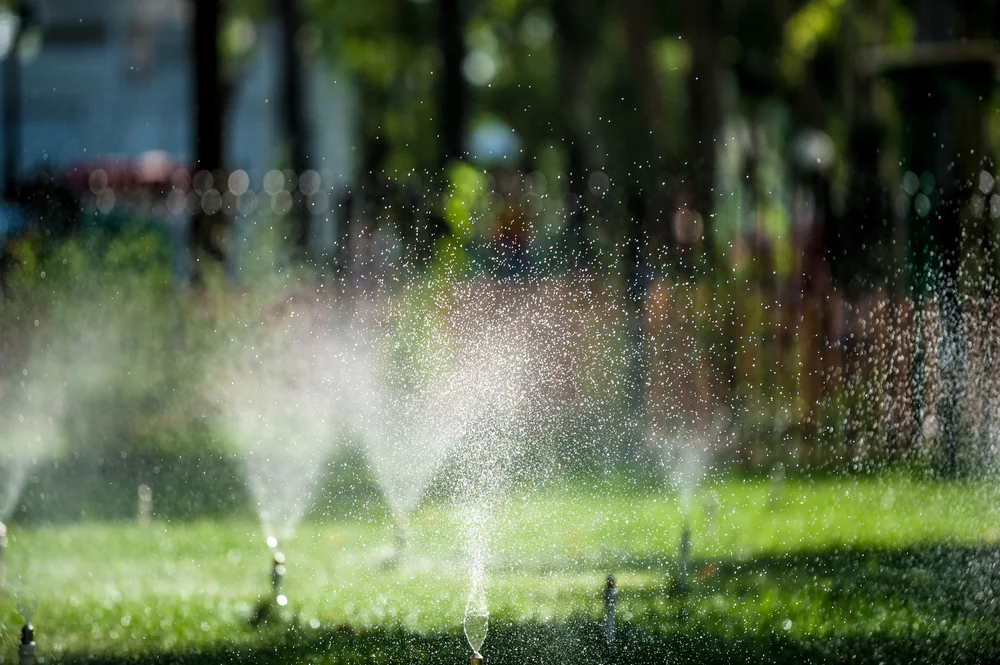
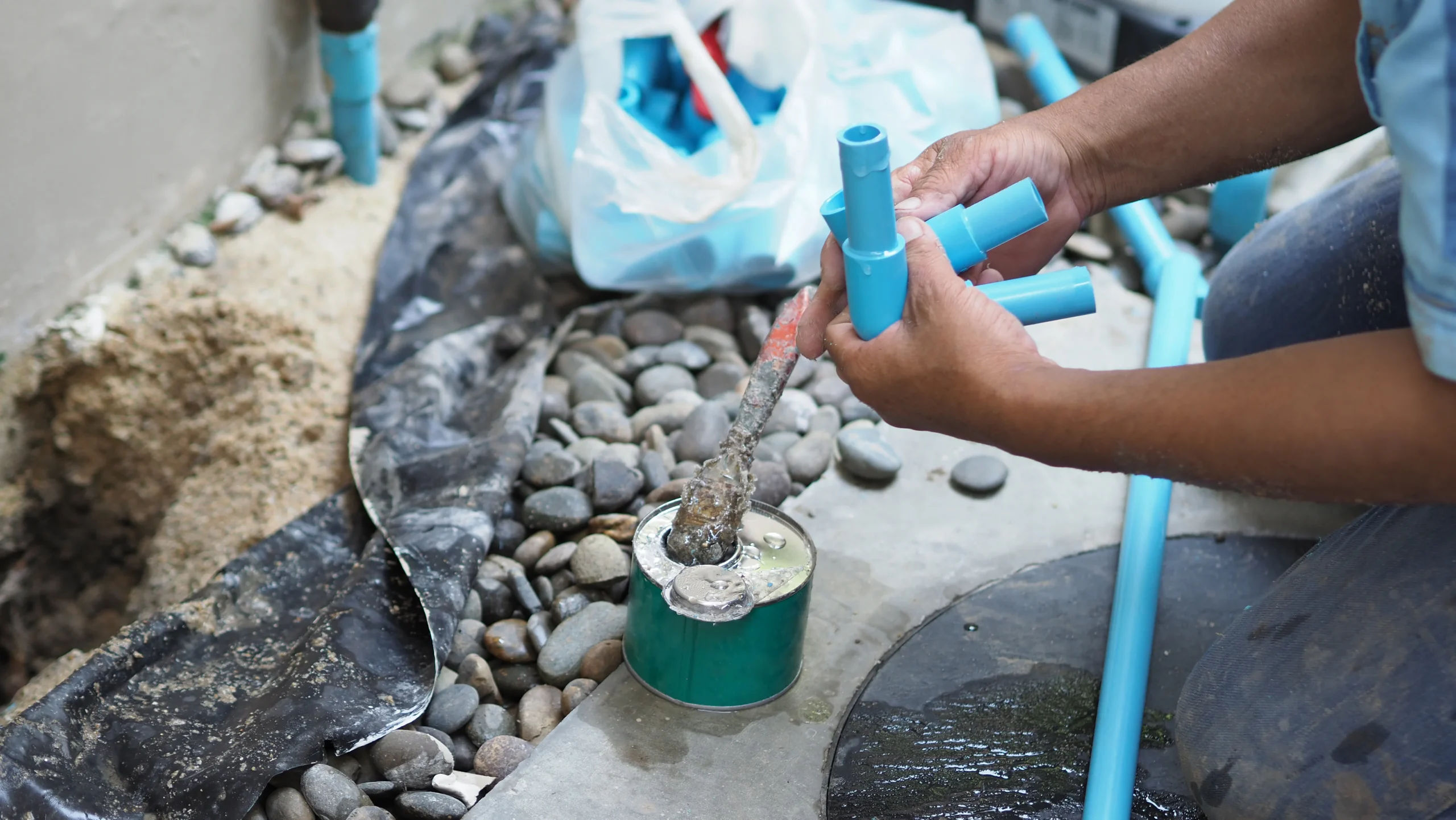
Sprinkler System Inspection and Repair
What’s Included in Regular Maintenance
You get a complete system tune-up. That means every sprinkler head gets inspected, adjusted, and cleaned. Valves get tested for leaks and proper operation. The controller gets reprogrammed based on current weather patterns and your landscape’s actual water needs. We check for broken lines, damaged components, and anything that’s not working right.
In Tequesta, irrigation systems deal with specific challenges. Summer heat stresses plastic components. Humidity causes electrical connections to corrode faster. Tropical storms knock controllers offline or damage exposed wiring. Regular lawn sprinkler system maintenance addresses these Florida-specific issues before they cause system failures.
Water restrictions in Palm Beach County, FL mean your system needs to run efficiently. A poorly maintained system wastes water through leaks, overspray, and bad programming. That costs you money and potentially puts you out of compliance. Proper irrigation maintenance keeps your system running within local guidelines while using less water overall.
Most maintenance plans include priority scheduling for repairs. If something breaks between service visits, you’re not waiting three days for a callback. You get faster response times because you’re already a maintenance client. That matters when your system fails during a dry spell and your landscaping’s at risk.
Sprinkler FAQ
Questions homeowners in Tequesta ask us
How often does a sprinkler system need professional maintenance?
Twice a year minimum. Once before the heavy watering season starts and once before you cut back for winter. That’s the baseline for keeping a system functional in Florida’s climate.
Some properties need more frequent service. If you’ve got a larger system, older components, or you’ve had recurring issues, quarterly maintenance makes more sense. Commercial properties with higher water costs usually benefit from more frequent inspections because catching problems early saves more money.
The goal is preventing failures, not just fixing them. Systems that get regular attention rarely have emergency breakdowns. You’re catching worn parts before they fail completely, adjusting programming before you waste hundreds of gallons, and keeping everything running efficiently. Most emergency repairs we see happen on systems that haven’t been serviced in over a year.
What causes sprinkler systems to fail in Tequesta?
Heat and humidity do most of the damage. Plastic components become brittle from constant UV exposure and crack under pressure. Electrical connections corrode faster here than in drier climates. Solenoids fail when moisture gets into the coil housing.
Tropical storms cause sudden failures. Controllers get fried by power surges. Wiring gets damaged by wind and debris. Flooding can damage valve boxes and underground components. Even minor storms can knock systems offline if the equipment’s not properly protected.
Lack of maintenance accelerates everything. Dirty nozzles restrict flow and increase pressure on pipes. Clogged filters make pumps work harder. Valves that aren’t exercised regularly start sticking. Small issues compound until something breaks completely. Most major failures we repair could’ve been prevented with regular service visits.
How much does sprinkler system maintenance cost compared to repairs?
Maintenance runs $75-150 per visit depending on system size. Emergency repairs start around $300 and go up from there. If a main line breaks or a valve manifold needs replacement, you’re looking at $500-800 minimum.
The math is straightforward. Two maintenance visits per year cost less than one emergency repair. And that’s assuming you only have one emergency, which isn’t realistic for unmaintained systems. Most properties that skip regular service end up with multiple repair calls per year.
Water waste costs more than people realize. One stuck valve running overnight can waste 5,000-10,000 gallons. At Tequesta water rates, that’s $50-100 down the drain in a single night. A small leak in a lateral line can waste 130,000 gallons per month. Regular maintenance catches these issues during inspection, not after they’ve been costing you money for weeks.
Can I maintain my own sprinkler system?
You can handle basic tasks. Walking the system while it runs to check for obvious problems. Cleaning debris off sprinkler heads. Adjusting a few heads that are spraying the sidewalk instead of the grass. Those things don’t require professional help.
But most maintenance requires knowledge and tools you probably don’t have. Diagnosing valve problems means understanding how solenoids and diaphragms work. Programming controllers for optimal efficiency requires knowing evapotranspiration rates and precipitation rates for different nozzle types. Pressure testing and flow calculations aren’t intuitive.
The bigger issue is knowing what to look for. Experienced techs spot problems that aren’t obvious. A valve that’s starting to stick but hasn’t failed yet. A wire connection that’s corroding. A backflow preventer that’s not sealing properly. These issues don’t announce themselves, but they cause expensive failures if ignored. Professional irrigation system maintenance catches problems before they’re visible to untrained eyes.
What happens if I skip regular sprinkler maintenance?
Your water bill goes up first. Leaks, stuck valves, and inefficient programming waste water every single day. Most people don’t connect rising water costs to irrigation problems until someone points it out. By then, you’ve already spent hundreds on wasted water.
Then parts start failing. Valves that haven’t been exercised stick in the open or closed position. Heads that haven’t been cleaned clog completely. Controllers with corroded connections stop working. These failures happen at the worst times, usually during the hottest, driest weeks when your landscaping needs water most.
Eventually, you’re replacing landscaping. Brown patches turn into dead sections. Shrubs die. Sod needs replacement. Trees get stressed and become vulnerable to disease. The cost of replacing dead plants is always more than the cost of maintaining the system that keeps them alive. We’ve seen properties lose thousands in landscaping because an irrigation system failed and no one caught it in time.
Do you offer same-day service for sprinkler repairs in Tequesta?
We respond to most service calls within 24 hours. Same-day service is available for urgent issues, especially during hot weather when system failures put landscaping at immediate risk. If your system’s down and temperatures are in the 90s, that’s a priority.
Maintenance clients get faster response times. You’re already in our system, we know your property, and we have your equipment history. That means less diagnostic time and quicker repairs. Most issues get resolved during the first visit because we stock common parts and have the tools to handle typical repairs on-site.
For non-urgent repairs, we schedule based on your availability. If a zone’s not working but it’s not critical, we’ll set up a time that works for you. The key is getting someone out to assess the problem quickly so you know what you’re dealing with. Yard irrigation system repair doesn’t have to take days if the company’s organized and responsive.
Serving Tequesta
Your local sprinkler team in Tequesta
Find us on the map, explore helpful local resources, and see every sprinkler service we offer right here in Tequesta.
Helpful local resources
- Find us on Google MapsOpen A Tequesta, FL Map
- Local weather forecastView The Current Weather In Tequesta, FL
- About TequestaTequesta, FL is located in Palm Beach County, FL in Florida State
- Nearby post officeFind The Tequesta, FL USPS
- Nearby pharmacyLocate Nearby Tequesta, FL Pharmacies
Free, no-pressure estimate
Get your free sprinkler estimate in Tequesta
Tell us what your system is doing and a local Palm Beach County technician will get right back to you — usually within one business day.
- Licensed & insured Florida contractors
- Serving Tequesta since 2008
- Upfront pricing — no hidden fees, no pressure
Request your free estimate