
Sprinkler System Maintenance in The Acreage, FL
Your Lawn Stays Green Without the Guesswork
Regular sprinkler maintenance catches problems before they cost you thousands in repairs or dead landscaping.
- Licensed & insured
- Serving since 2008
- Free on-site estimates
Free estimate
Get your free sprinkler estimate
A local Palm Beach County team member will get back to you within one business day.
Reviews
What homeowners in The Acreage say
Real reviews from Palm Beach County customers — see why neighbors trust us with their sprinkler systems.
Irrigation Maintenance Services in The Acreage
What Happens When Your System Actually Works
Your water bill stops climbing every month because leaks get caught early. Your grass gets the right amount of water in the right places, so you’re not dealing with brown patches next to puddles.
When your sprinkler system gets regular attention, you’re not scrambling to find someone during the hottest week of summer when half your lawn is dying. The system runs on a schedule that makes sense for Florida’s climate, not some default setting from three years ago.
You’re also not wasting water on your driveway or sidewalk because heads are aligned properly. Everything works the way it’s supposed to, and you can actually see where your money is goinginto a healthier lawn, not down the drain.
Sprinkler Contractors Serving The Acreage
We’ve Been Fixing These Systems Since 2008
We’ve been handling irrigation systems across Palm Beach County, FL for over 15 years. We’re licensed, insured, and we’ve seen just about every problem a sprinkler system can throw at a homeowner in The Acreage.
The Acreage has its own challengessandy soil, long dry spells, and properties that need more coverage than your typical suburban lot. We know how systems behave here because we’ve been maintaining them here for years.
When you call us, you’re getting technicians who understand Florida irrigation, not someone reading from a manual.
Free, no-pressure estimate
Ready for a healthier lawn in The Acreage?
Tell us what your system is doing and a local Palm Beach County team member will get right back to you, usually within one business day.
Our Sprinkler System Inspection Process
Here’s What Happens During a Maintenance Visit
We start by running through every zone manually. That means checking each sprinkler head for clogs, leaks, and alignment issuesnot just watching the timer run.
Next, we test the controller and make sure your programming matches what your lawn actually needs right now. Seasonal adjustments matter in Florida, and most systems are set way too high or running at the wrong times.
We also inspect valves, check water pressure, and look for any signs of underground leaks that aren’t obvious yet. If something small needs fixinglike a clogged nozzle or a tilted headwe handle it on the spot. If there’s a bigger issue, we’ll walk you through what’s happening and what it’ll take to fix it.
You get a clear picture of your system’s condition, and nothing gets left to guesswork.
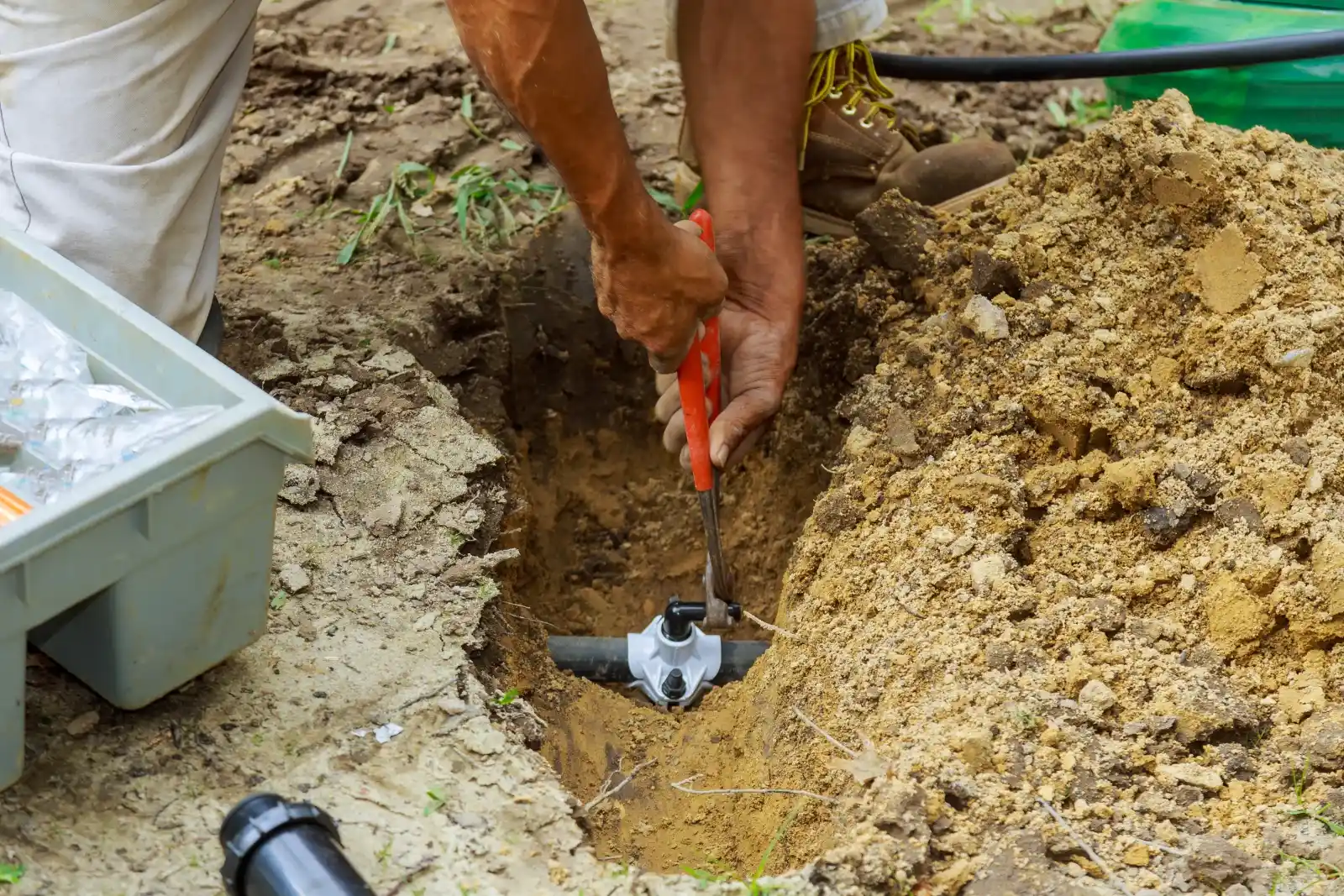
Lawn Sprinkler System Maintenance in The Acreage
What’s Included in Regular Sprinkler Maintenance
Every maintenance visit covers a full system inspectioncontroller programming, zone testing, head alignment, pressure checks, and leak detection. We’re looking for anything that’s wasting water or putting your landscape at risk.
In The Acreage, irrigation systems work harder than in most areas. Properties are larger, the soil drains fast, and summer heat is relentless. Your system needs to be dialed in, or you’re either overwatering and spiking your bill, or underwatering and watching your investment die off.
We also make sure your system complies with local water restrictions. Palm Beach County, FL has specific rules about watering schedules, and getting flagged for violations is an easy problem to avoid when your system is programmed correctly.
Regular maintenance isn’t about upselling you on parts you don’t need. It’s about keeping your system efficient so you’re not dealing with emergency repairs during the worst possible time.
Sprinkler FAQ
Questions homeowners in The Acreage ask us
How often should I schedule sprinkler system maintenance in The Acreage?
Most homeowners in The Acreage should have their irrigation system inspected at least twice a yearonce before the heavy summer heat kicks in, and once in the fall when watering needs change. If you’ve got a larger property or older system, quarterly checks make more sense.
Florida’s climate is tough on sprinkler systems. Long summers, unpredictable rain, and sandy soil mean your system is constantly adjusting to conditions that can cause wear and tear. Catching a small leak or clogged head early saves you from a massive repair bill or a dead lawn later.
If you’re noticing uneven watering, higher water bills, or sections of your lawn that look off, don’t wait for your next scheduled visit. Those are signs something’s already wrong, and the sooner it gets looked at, the less it’ll cost to fix.
What causes sprinkler heads to spray unevenly or miss spots?
Uneven spray usually comes down to clogged nozzles, tilted heads, or pressure issues. In The Acreage, sand and debris get into the system easily, especially if you’ve had any landscaping work done recently. A tiny blockage can throw off the spray pattern and leave dry spots.
Heads also get knocked around by mowers, foot traffic, or settling soil. If a head is even slightly tilted, it’s going to water your driveway instead of your grass. Pressure problems are harder to spot but just as commonif one zone has weak pressure, it’s usually a valve issue or a leak somewhere in the line.
Regular maintenance catches these problems before they turn into bigger headaches. We clean nozzles, realign heads, and check pressure across every zone so your coverage stays consistent. If there’s an underlying issue like a cracked line or failing valve, we’ll find it before it floods your yard.
Can regular maintenance actually lower my water bill?
Yes, and sometimes by a lot. Hidden leaks are one of the biggest water wasters, and they’re not always obvious. A small underground leak can waste thousands of gallons a month without you ever seeing a puddle. Regular inspections catch those leaks early.
Clogged or misaligned heads also waste water. If your system is spraying the sidewalk or running longer than it needs to because coverage is uneven, you’re paying for water that’s not helping your lawn. Fixing those issues brings your usage back to where it should be.
We also reprogram controllers during maintenance visits to match seasonal needs and local water restrictions. Most systems are set way too high because no one’s adjusted them since installation. Dialing in the right schedule based on current conditions means you’re not overwatering, and your bill reflects that.
What’s the difference between sprinkler repair and regular maintenance?
Maintenance is preventativeit’s about catching problems before they break. Repair is what happens when something’s already failed and needs to be fixed right away. Maintenance visits include inspections, adjustments, cleaning, and minor fixes that keep everything running smoothly.
During a maintenance visit, if we find a clogged nozzle or a head that needs realigning, we handle it on the spot. That’s still maintenance. But if we find a broken valve, a cracked main line, or a controller that’s completely fried, that’s a repairit’s a bigger job that requires parts and more labor.
The goal of regular maintenance is to reduce the number of emergency repairs you need. Most major failures don’t happen overnightthey start as small issues that get ignored. A slow leak turns into a blowout. A valve that’s sticking eventually fails completely. Catching those early means fewer expensive surprises and a system that lasts longer.
Do I need a professional, or can I maintain my sprinkler system myself?
You can handle some basic tasksadjusting your controller seasonally, checking for obvious leaks, making sure heads aren’t blocked by grass or mulch. But a thorough inspection requires tools, experience, and the ability to spot problems that aren’t visible from the surface.
Most homeowners don’t catch pressure issues, valve problems, or underground leaks until they’ve caused serious damage. A professional inspection includes testing every zone manually, checking pressure across the system, inspecting wiring and connections, and looking for early signs of wear that lead to bigger failures.
In The Acreage, where properties are larger and systems are more complex, DIY maintenance usually misses something. It’s not about whether you’re capableit’s about whether you have the time and equipment to do it right. A professional visit twice a year costs less than one emergency repair, and it keeps your system running efficiently year-round.
What should I do if my sprinkler system isn’t turning on?
Start with the basicscheck if the controller has power and if the timer is set correctly. Sometimes it’s as simple as a tripped breaker or a programming error. If the controller looks fine but nothing’s happening, the problem is likely with a valve or the wiring.
Valves can stick or fail, especially if they haven’t been maintained regularly. Wiring issues are also common in Floridamoisture, pests, and age all take a toll on connections. If one zone isn’t working, it’s usually that zone’s valve or solenoid. If nothing’s working at all, the issue is probably at the main valve or controller.
Don’t start tearing things apart if you’re not sure what you’re looking for. A misdiagnosed problem can turn a simple fix into an expensive mess. Call us to diagnose it properlywe’ve got the tools to test electrical connections, check valve function, and pinpoint exactly where the failure is happening. Most of the time, it’s a quicker and cheaper fix than homeowners expect.
Serving The Acreage
Your local sprinkler team in The Acreage
Find us on the map, explore helpful local resources, and see every sprinkler service we offer right here in The Acreage.
Helpful local resources
- Find us on Google MapsOpen A The Acreage, FL Map
- Local weather forecastView The Current Weather In The Acreage, FL
- About The AcreageThe Acreage, FL is located in Palm Beach County, FL in Florida State
- Nearby post officeFind The The Acreage, FL USPS
- Nearby pharmacyLocate Nearby The Acreage, FL Pharmacies
Other sprinkler services in The Acreage
Free, no-pressure estimate
Get your free sprinkler estimate in The Acreage
Tell us what your system is doing and a local Palm Beach County technician will get right back to you — usually within one business day.
- Licensed & insured Florida contractors
- Serving The Acreage since 2008
- Upfront pricing — no hidden fees, no pressure
Request your free estimate