
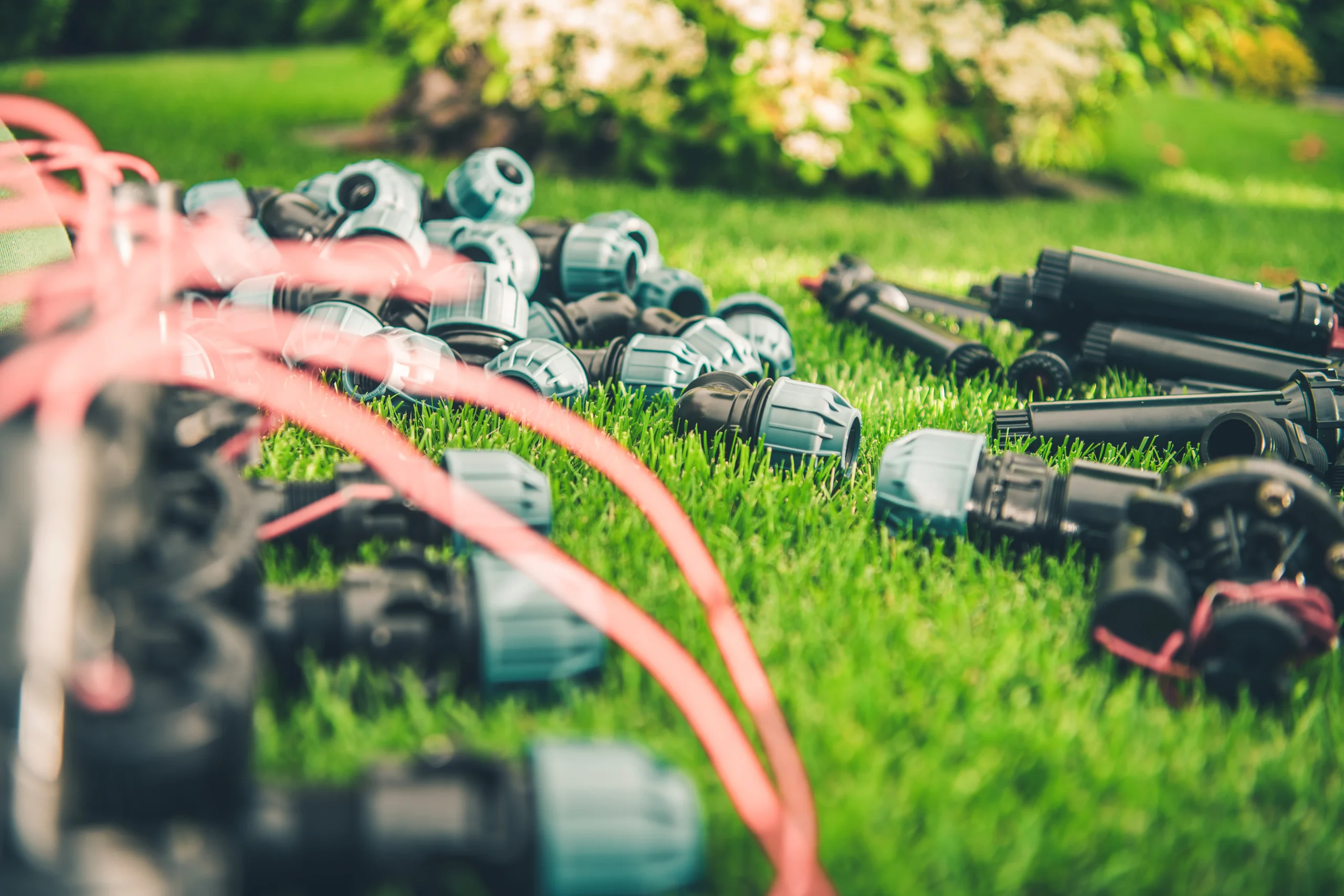
Sprinkler System Maintenance in Westlake, FL
Your Lawn Stays Green Without the Guesswork
Regular sprinkler maintenance catches expensive problems before they happen, cuts your water bill, and keeps your landscape looking the way it should all year.
- Licensed & insured
- Serving since 2008
- Free on-site estimates
Reviews
What homeowners in Westlake say
Real reviews from Palm Beach County customers — see why neighbors trust us with their sprinkler systems.
Irrigation System Repair in Westlake, FL
Lower Bills, Healthier Grass, Zero Surprises
You’re not looking for another thing to manage. You want your irrigation system to work when it’s supposed to, use water efficiently, and not cost you hundreds in emergency repairs during the hottest part of summer.
That’s what regular sprinkler system maintenance does. It finds the leaks before they flood your driveway. It catches clogged heads before half your lawn turns brown. It adjusts zones so you’re not watering the same spot twice while another area gets nothing.
In Florida, your system works harder than almost anywhere else. Between the heat, tropical storms, and year-round growing season, things break down fast. A single leaky pipe wastes nearly 130,000 gallons a month. One broken sprinkler head can cost you an extra $50 on your water bill without you even noticing.
Maintenance isn’t about perfection. It’s about catching problems while they’re still small and keeping your system running the way it was designed to. You get even coverage, lower bills, and a lawn that doesn’t punish you for missing a week.
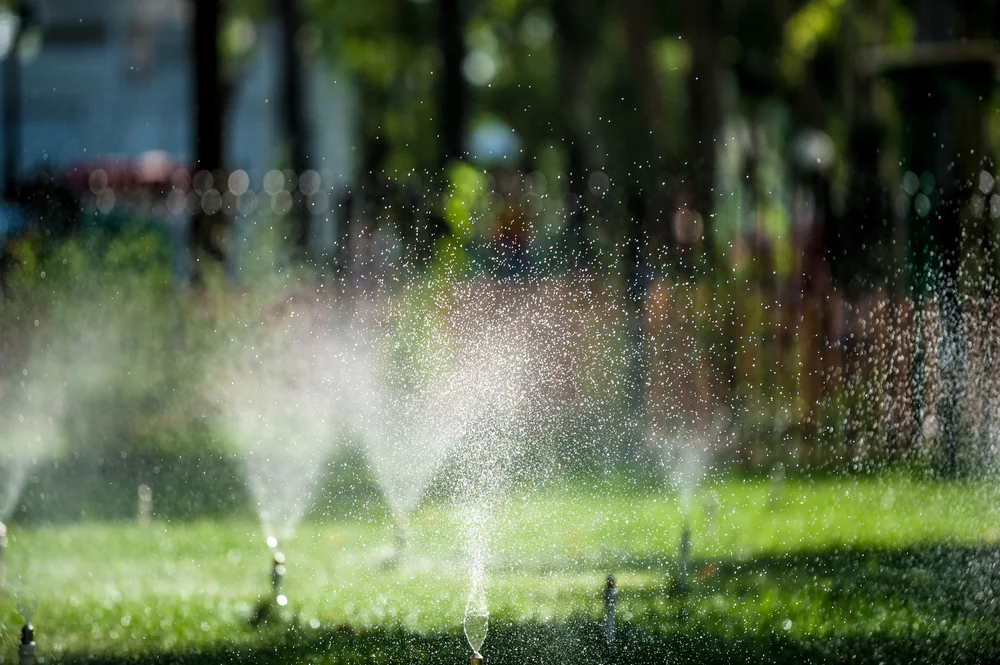
Lawn Sprinkler System Maintenance Westlake
We’ve Been Doing This in Palm Beach County, FL for Years
We work with residential across Westlake, Wellington, Boca Raton, and the surrounding areas. We’ve seen what Florida weather does to irrigation systems, and we know what fails first.
We’re not the company that shows up, replaces a head, and leaves. We check the whole systemvalves, controllers, sensors, pressure, coverage. If something’s wearing out, we tell you. If it’s fine, we tell you that too.
Most of our clients are people who got tired of brown patches, surprise water bills, or calling someone different every time something broke. They wanted one team that knows their property and keeps things running without the back-and-forth. That’s what we do in Westlake and across Palm Beach County, FL.
Free, no-pressure estimate
Ready for a healthier lawn in Westlake?
Tell us what your system is doing and a local Palm Beach County team member will get right back to you, usually within one business day.
Sprinkler System Inspection Process Westlake
Here’s What Happens During a Maintenance Visit
We start by running every zone in your system while we’re on-site. That means we’re watching each section operate, checking coverage, looking for leaks, and noting anything that’s not performing right.
Next, we inspect your controller and rain sensor. A lot of systems waste water because the timer’s programmed wrong or the rain sensor stopped working months ago. We make sure your system only runs when it should and shuts off when it’s supposed to.
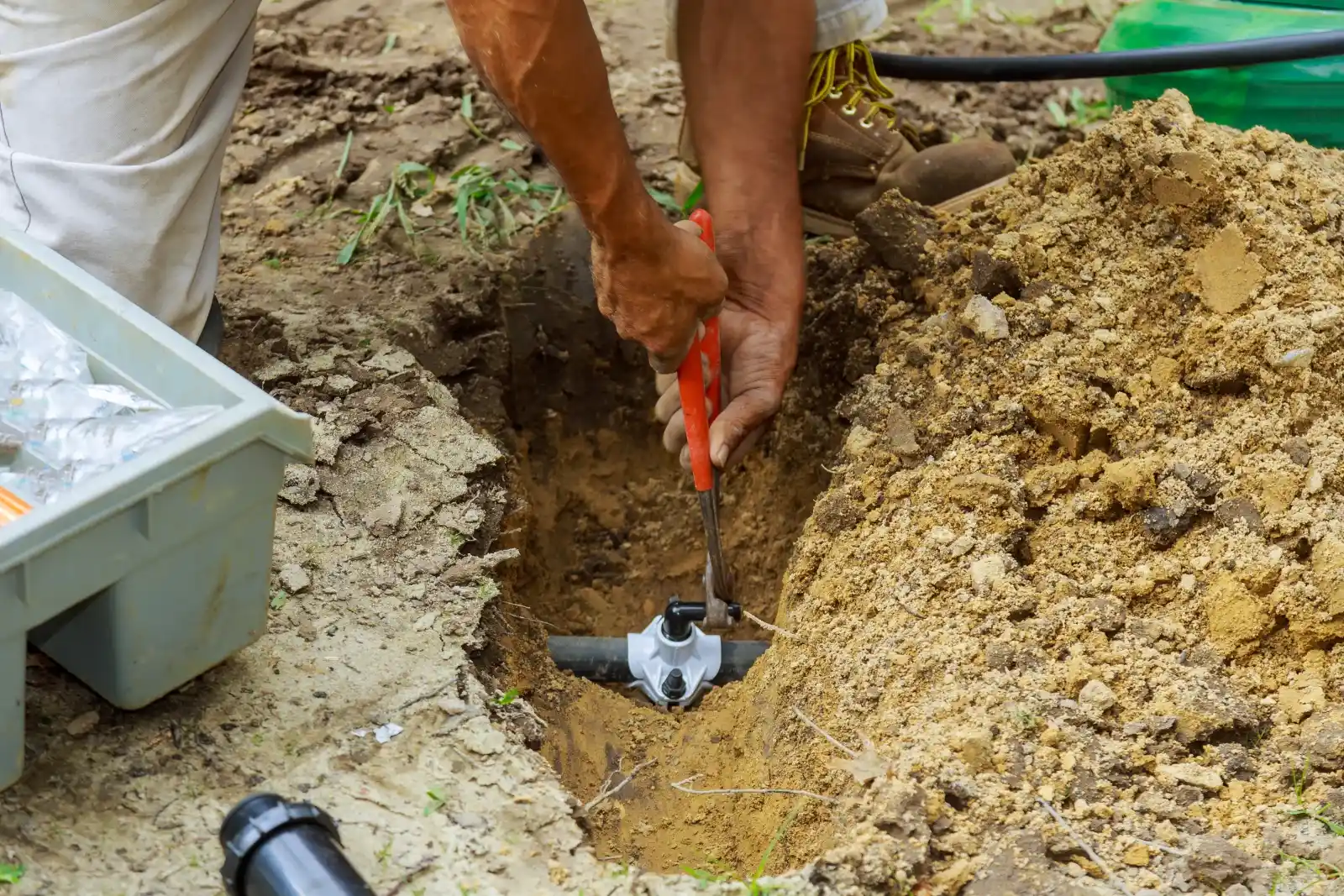
Then we check sprinkler heads, valves, and pipes for clogs, cracks, or misalignment. Heads get hit by mowers, valves wear out, and pipes crack under pressure. We clean what’s clogged, adjust what’s misaligned, and flag anything that needs a part.
Before we leave, we test your backflow preventer and check system pressure. Too much pressure damages components. Too little means poor coverage. We make sure everything’s balanced and document what we found so you know exactly what’s happening with your system.
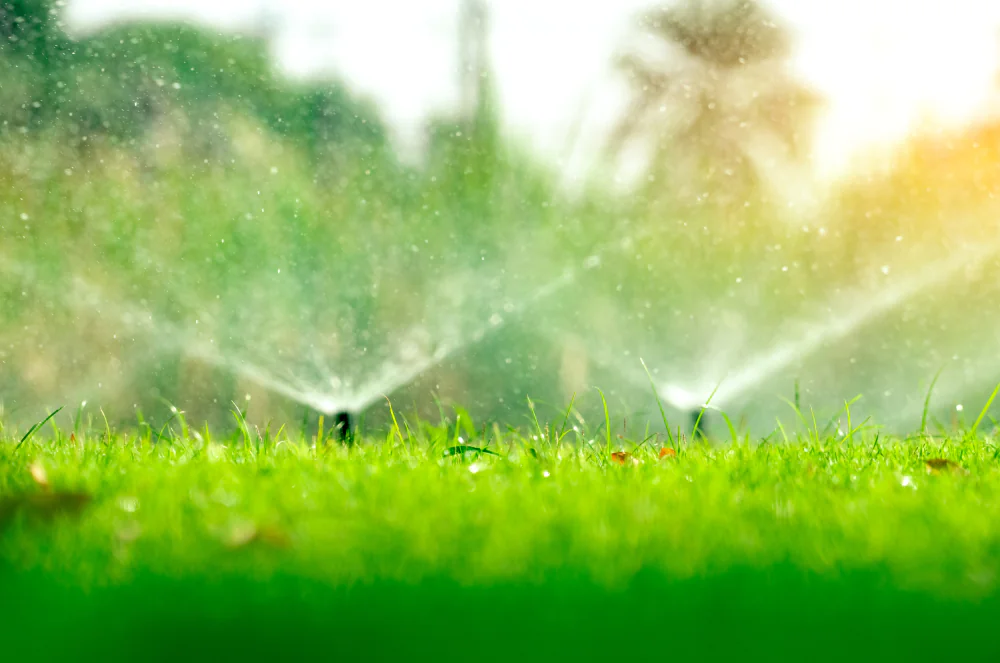
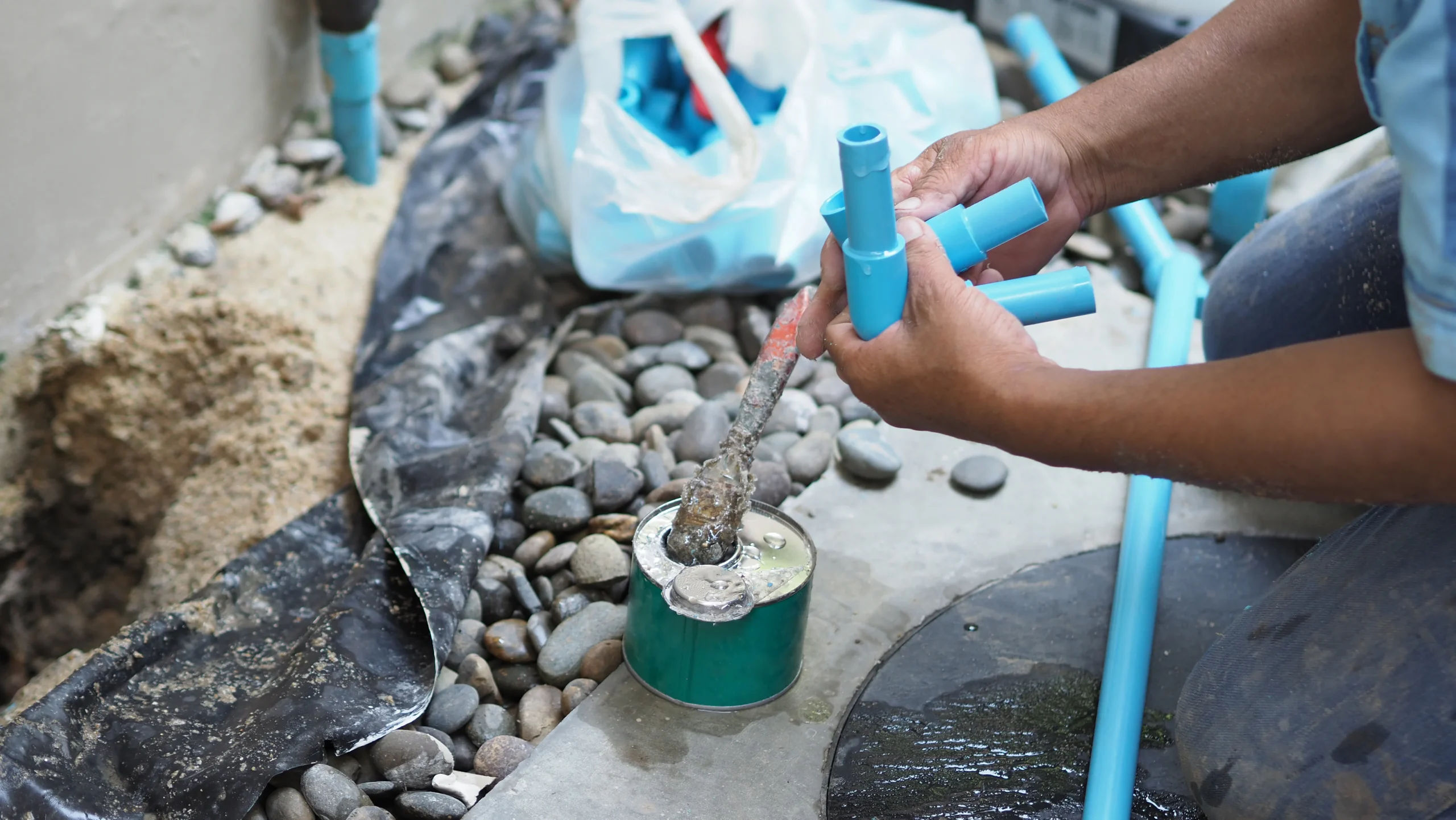
Yard Irrigation System Repair Westlake
What’s Included in Regular Sprinkler Maintenance
Every maintenance visit covers a full system inspectionall zones, all heads, all valves. We’re looking at your entire setup, not just the part that’s obviously broken.
You get sprinkler head cleaning and adjustment, which matters more than most people think. Heads get clogged with dirt and debris, especially after storms. When they’re blocked, water doesn’t distribute evenly and your lawn suffers in patches.
We also handle controller programming and seasonal adjustments. Florida lawns need different watering schedules depending on the time of year. What works in July will overwater in December. We adjust your system so it matches what your landscape actually needs.
In Westlake, rain sensors are required by law, but a lot of them stop working and nobody notices until the system’s running during a downpour. We test yours every visit to make sure it’s shutting your system off when it rains. That alone saves most people 20-30% on their irrigation bills.
If we find a leak, broken valve, or damaged line, we let you know right away and give you a clear repair estimate. Most issues we catch during maintenance cost a fraction of what they’d cost if they turned into emergencies.
Sprinkler FAQ
Questions homeowners in Westlake ask us
How often should I schedule sprinkler system maintenance in Westlake?
Most systems in Florida should be inspected every two to three months. That’s frequent enough to catch problems early but not so often that you’re paying for unnecessary visits.
If your property has a larger system, older components, or you’ve had recurring issues, monthly inspections make more sense. Smaller residential systems with newer equipment can usually go quarterly without trouble.
The key is consistency. Systems that get checked regularly last longer and cost less to maintain overall. The University of Florida evaluated over 3,400 residential irrigation systems and found that every single one had at least one maintenance issue causing excess water use. Most of those problems were small and cheap to fix, but they add up fast when ignored.
What are the most common sprinkler problems you find in Westlake?
Clogged or misaligned sprinkler heads are the most common issue we see. Dirt, grass clippings, and debris block the nozzles, which reduces coverage and creates dry spots. Heads also get knocked out of alignment by mowers, foot traffic, or settling ground.
Leaking valves and pipes are next. Florida’s soil shifts, tree roots grow into lines, and pressure changes cause cracks. A slow leak might not flood your yard, but it’ll quietly waste thousands of gallons and drive up your water bill.
Controller and rain sensor failures are also frequent. A lot of systems run on outdated programming or have rain sensors that stopped working years ago. When that happens, your system waters during storms or runs longer than necessary. Fixing these issues usually takes minutes but saves you serious money every month.
Can regular maintenance really lower my water bill?
Yes, and often by a lot. Irrigation accounts for about 50% of residential water use in Florida. When your system has leaks, clogs, or bad programming, that percentage climbs even higher.
A single leaky pipe can waste nearly 130,000 gallons per month. Even a small leak you don’t notice will add $30-50 to your bill. Clogged heads cause uneven watering, so you end up running your system longer to compensate. A broken rain sensor means you’re watering during storms when you shouldn’t be.
Regular maintenance fixes all of that. We’ve had clients cut their irrigation bills by 20-40% just by repairing leaks, adjusting heads, and reprogramming controllers. The maintenance visit pays for itself in water savings within a month or two for most properties.
What happens if you find a problem during a maintenance visit?
We walk you through what we found, explain why it matters, and give you a straightforward repair estimate. No pressure, no upsellingjust clear information so you can decide what makes sense.
Some issues need immediate attention, like active leaks or broken valves that are wasting water right now. Others can wait a bit, like a head that’s starting to wear out but still functions. We’ll tell you the difference.
Most repairs we find during maintenance are small and inexpensivereplacing a cracked nozzle, tightening a loose fitting, or swapping out a worn valve. Catching them early means you’re paying $20-50 for a part instead of $300-500 for an emergency call when the system fails completely during peak summer.
Do you service both residential in Westlake?
Yes. We handle irrigation system maintenance for homes, HOAs, office complexes, throughout Westlake and Palm Beach County, FL.
Residential systems usually need straightforward quarterly maintenancechecking zones, cleaning heads, adjusting controllers. Commercial properties often have larger, more complex setups with multiple controllers, booster pumps, and higher zone counts. Those systems benefit from more frequent monitoring.
The process is similar regardless of property size. We inspect the full system, document what we find, make adjustments, and handle repairs as needed. For commercial clients, we can schedule visits during off-hours to avoid disrupting business operations or foot traffic.
What’s the difference between maintenance and repair?
Maintenance is proactiveit’s the regular inspections and adjustments that keep your system running properly and catch small issues before they become expensive problems. Repair is reactiveit’s fixing something that’s already broken.
During a maintenance visit, we’re checking everything even if it seems fine. We run all the zones, test components, adjust settings, and clean heads. If we find something worn or damaged, we address it before it fails.
Repair happens when something stops working and you need it fixed now. That usually costs more because the problem’s already causing damagewasted water, dead grass, or flooded areas. Maintenance costs around $85 per visit. Emergency repairs often run $300-500 or more depending on what broke and how long it’s been failing.
Serving Westlake
Your local sprinkler team in Westlake
Find us on the map, explore helpful local resources, and see every sprinkler service we offer right here in Westlake.
Helpful local resources
- Find us on Google MapsOpen A Westlake, FL Map
- Local weather forecastView The Current Weather In Westlake, FL
- About WestlakeWestlake, FL is located in Palm Beach County, FL in Florida State
- Nearby post officeFind The Westlake, FL USPS
- Nearby pharmacyLocate Nearby Westlake, FL Pharmacies
Free, no-pressure estimate
Get your free sprinkler estimate in Westlake
Tell us what your system is doing and a local Palm Beach County technician will get right back to you — usually within one business day.
- Licensed & insured Florida contractors
- Serving Westlake since 2008
- Upfront pricing — no hidden fees, no pressure
Request your free estimate