Benefits of Upgrading Your Sprinkler System (Save Water & Lower Bills)
Summary:

How Smart Sprinkler Controllers Save Water and Money
Traditional controllers run on timers. They water every Monday, Wednesday, and Friday at 6 AM whether your lawn needs it or not. It rained last night? Doesn’t matter. Temperature dropped 15 degrees? System doesn’t care. It’s watering anyway.
Smart controllers actually think. They pull real-time weather data for Palm Beach County and adjust automatically. Rain in the forecast? They skip the cycle. Cooler temperatures mean less evaporation? They reduce run times. The system delivers water based on actual conditions, not an arbitrary schedule you set months ago.
The difference shows up immediately on your water bill. Homes that upgrade from standard timers to WaterSense labeled smart controllers save up to 15,000 gallons annually. That’s not a small adjustment, that’s 30-50% less water for the same or better landscape results. The savings compound month after month without you touching a thing.
Weather-Based vs Soil Moisture Sensor Controllers
Smart controllers come in two flavors, and picking the right one depends on what your property needs most.
Weather-based controllers use evapotranspiration data. That’s the combination of evaporation from soil and transpiration from plants. The controller calculates how much water your landscape loses daily based on temperature, humidity, wind speed, and solar radiation. Then it adjusts watering to replace exactly what was lost. Nothing more, nothing less.
These systems work exceptionally well in Florida’s variable climate. Summer heat means more evaporation and higher watering needs. Winter cooldown means less. The controller tracks it all automatically and modifies your schedule daily. You program it once with your zone details—plant types, sun exposure, soil type, sprinkler flow rates—and it handles the rest.
Soil moisture sensor controllers take a different approach. They don’t care what the weather’s doing. They measure actual moisture levels in your root zones. Sensors buried in your landscape send real-time data back to the controller. When soil moisture drops below your set threshold, the system waters. When moisture is adequate, it doesn’t run even if it’s technically “watering day.”
This approach eliminates guesswork entirely. You’re not estimating what your landscape needs based on weather models. You’re responding to actual conditions in your specific soil. This works brilliantly for properties with inconsistent drainage, areas that hold moisture differently, or landscapes where you want absolute precision.
Some advanced systems combine both technologies. They use weather data for baseline scheduling and soil sensors for verification. If the weather model says water but sensors show adequate moisture, the system skips the cycle. If conditions suggest skipping but sensors detect dry soil, it waters anyway. This dual approach maximizes efficiency while protecting against both overwatering and underwatering.
Cost factors into the decision too. Weather-based controllers typically run $150-$400 depending on features. Soil moisture systems cost more upfront because you’re buying sensors for each zone plus the controller, usually $300-$600 total. But both pay for themselves through water savings within two to three years based on typical Palm Beach County irrigation costs.
Installation complexity differs as well. Weather-based controllers are straightforward replacements for your existing timer. Soil moisture systems require burying sensors in each zone’s root area and running wires back to the controller. That’s more labor, but it’s still a one-day installation for most residential properties.
Real ROI: When Do Irrigation System Upgrades Pay for Themselves
Every upgrade conversation eventually comes down to money. You want to know when you’ll break even and start actually saving instead of just recovering costs.
The typical payback period for a complete smart irrigation upgrade is three to five years. But that’s conservative math based on moderate water savings. Properties with older, inefficient systems often see faster returns. If your current setup wastes 40-50% of the water it applies, cutting that waste means bigger savings that accelerate payback.
Let’s use real numbers. Say your summer water bills run $180 monthly, with about $120 of that going to irrigation. A smart controller cutting water use by 40% saves you $48 per month during the six-month growing season. That’s $288 annually. A $600 controller investment pays for itself in just over two years. Every year after that is pure savings, $288 annually for the life of the system.
But water bill reduction is only part of the calculation. Factor in avoided repair costs. Older systems break down. Valves fail, heads crack, lines leak. The average sprinkler repair runs $150-$400 depending on what broke. If you’re calling for service three times a year, that’s $450-$1,200 in maintenance you’re already paying. A new system with modern components and leak detection dramatically reduces those calls.
Then there’s landscape replacement costs. Dead grass from poor coverage means re-sodding at $0.50-$1.50 per square foot installed. A 500-square-foot brown patch costs $250-$750 to fix. Overwatered areas develop fungus requiring treatment or plant replacement. Proper irrigation prevents these problems, protecting the thousands you’ve invested in landscaping.
Property value impact matters too, especially if you’re planning to sell within five to ten years. Real estate professionals consistently identify modern irrigation as a value-add feature. Buyers appreciate systems that won’t need immediate attention and that come with lower operating costs. The exact value increase varies by property, but upgraded irrigation typically returns 50-100% of installation costs in improved sale price or faster sale times.
Available rebates improve ROI significantly. Many Palm Beach County area utilities offer $100-$150 rebates for installing EPA WaterSense certified smart controllers. Some provide additional incentives for complete system evaluations and efficiency upgrades. These programs directly reduce your upfront costs, shortening payback periods by six months to a year.
The ROI math gets even better if you’re currently dealing with a system that requires annual repairs exceeding 50% of replacement cost. At that point, you’re essentially paying for a new system gradually through repair bills without getting any of the efficiency benefits. Replacing it outright stops the repair cycle and starts the savings immediately.
Don’t forget the value of your time and stress. Constantly adjusting schedules, responding to system failures, dealing with uneven coverage, and managing repair appointments all have costs even if they’re not line items on a bill. Modern irrigation systems automate the management and eliminate most of the problems. That convenience has real value even if it’s harder to quantify.
Modern Irrigation Technology for Florida Climate Conditions
Florida destroys irrigation systems faster than most climates. Intense UV exposure degrades plastic components. High humidity corrodes electrical connections. Sandy soil shifts and breaks pipes. Hard water clogs nozzles with mineral deposits. Tropical storms flood valve boxes and damage controllers.
Your irrigation system needs to be built for these conditions, not just installed and hoped for the best. Modern technology addresses Florida-specific challenges directly. Controllers use weather-resistant enclosures that seal out moisture. Wiring connections get waterproof treatment. Sprinkler heads use UV-resistant materials that don’t crack after two seasons in full sun.
The intelligence built into new systems protects against Florida’s weather extremes too. Rain sensors are mandatory by state law for systems installed after 1991, but modern versions are far more sensitive and reliable than older mechanical switches. They detect rainfall and pause your system immediately, not after it’s already run for 10 minutes. Flow sensors monitor water usage and detect leaks or stuck valves within seconds, shutting everything down before you flood your yard or waste thousands of gallons.
Zoning Improvements That Match Your Landscape Needs
Walk your property and you’ll notice different areas have different needs. The front lawn gets full sun all afternoon. The side yard sits in shade most of the day. Flower beds need frequent light watering. Established trees need deep, infrequent soaking. But if your system treats everything the same, you’re either overwatering some areas or underwatering others.
Proper zoning divides your landscape into areas with similar requirements. Each zone gets its own valve, schedule, and run time matched to what’s actually growing there. This isn’t complicated theory. It’s practical water management that keeps plants healthy while eliminating waste.
Modern controllers let you program each zone with remarkable precision. You set the plant type—lawn, shrubs, trees, flowers. You specify sun exposure—full sun, partial shade, full shade. You enter soil type—sand, clay, loam. The controller uses this information to calculate optimal watering schedules for each zone independently. Your sunny front lawn might need 20 minutes three times weekly. Your shaded side yard gets 10 minutes twice weekly. Your flower beds receive 5 minutes daily through drip irrigation.
The hardware improvements matter as much as the programming. High-efficiency nozzles apply water in rotating streams instead of fixed spray patterns. This reduces precipitation rate from 1.5-2.0 inches per hour down to 0.4-0.6 inches per hour. That might sound like it takes longer, but it actually improves absorption. Water applied slowly soaks into our sandy Florida soil instead of running off into the street. You use 20-40% less water while getting better coverage uniformity.
Drip irrigation deserves special attention for specific zones. Flower beds, shrubs, and trees benefit enormously from targeted watering delivered directly to root zones. Drip systems eliminate the evaporation loss that happens with spray heads, especially during Florida’s hot afternoons. They also prevent water from hitting foliage, which reduces fungal disease problems common in our humid climate.
The installation process for better zoning typically involves adding sprinkler heads in coverage gaps, removing heads from overlapping areas, and potentially adding zones for areas with distinctly different needs. A professional irrigation evaluation maps your current coverage, identifies deficiencies, and recommends specific improvements. The investment usually ranges from $500-$2,000 depending on how much needs to change, but the water savings and landscape health improvements justify the cost within two to three years.
One often-overlooked benefit of proper zoning is weed reduction. When you water the entire landscape uniformly, you’re feeding weeds in areas that don’t need that much moisture. Targeted watering means you’re only applying water where you want plants to thrive. Areas that naturally stay drier have fewer weed germination opportunities, reducing your maintenance requirements and herbicide needs.
Zoning also protects your property’s structures. Overwatering near foundations can cause settling and drainage problems. Properly zoned systems keep irrigation away from buildings while ensuring landscape areas get adequate coverage. This prevents both foundation issues and the dead zones that happen when you’re afraid to water too close to structures.
Meeting Palm Beach County Water Restrictions with Upgraded Systems
Water restrictions in Palm Beach County aren’t optional. They’re mandatory regulations with enforcement and fines for violations. The challenge is keeping up with day-of-week schedules that change seasonally while maintaining a healthy landscape.
Smart irrigation systems handle compliance automatically. You program your address into the controller and it knows your allowed watering days based on odd/even street numbers. It won’t run outside permitted time windows. When seasonal restrictions change, a simple update keeps you compliant without you having to remember new rules or manually adjust schedules.
Here’s where Florida law gets interesting for property owners willing to invest in advanced technology. The state recognizes that properly designed smart irrigation systems can actually conserve more water than rigid day-of-week restrictions. Properties with soil moisture sensor control systems meeting specific criteria can apply for variances from day-of-week watering restrictions through their local water management district.
The variance process requires that your system use multiple soil sensors placed in different zones to optimize water use. Sensors must be installed by a licensed contractor following University of Florida IFAS Extension guidelines. The system must adjust irrigation schedules based on actual soil moisture requirements, not arbitrary timers. When you meet these standards, you can water any day when conditions warrant it, not just on your assigned days.
This flexibility matters during dry spells when your assigned watering days might not provide enough to maintain landscape health within the allowed frequency. The soil sensors ensure you’re only watering when genuinely needed, which typically results in less overall water use than traditional schedules despite the added flexibility. You’re conserving water through precision, not restriction.
Compliance also protects you from unexpected problems that could trigger violations. Traditional systems that malfunction can run continuously, wasting thousands of gallons before you notice. Smart systems with flow monitoring detect unusual water usage immediately. If a valve sticks open or a line breaks, the system shuts down and alerts you within minutes. That prevents both water waste and potential citations for excessive use.
The regulatory environment continues tightening. South Florida faces ongoing water supply challenges, and municipalities are implementing increasingly strict conservation measures. Landscape watering accounts for roughly half of residential water use in our region. Properties with demonstrably efficient irrigation systems are better positioned as regulations evolve. You’re ahead of requirements instead of scrambling to comply when new restrictions hit.
For commercial properties and HOAs, compliance documentation matters for more than just avoiding fines. Many properties need to demonstrate water conservation efforts for certifications, tenant requirements, or community standards. Smart irrigation systems provide detailed usage data showing your conservation measures. Some controllers generate reports documenting water savings, schedule adjustments, and system efficiency that support green building certifications or sustainability initiatives.
The technology also simplifies management for properties with irrigation services. We can access the system remotely to adjust schedules, diagnose problems, and verify operation without driving to your location for every minor adjustment. This reduces service costs while ensuring your system stays properly programmed for current conditions and restrictions.
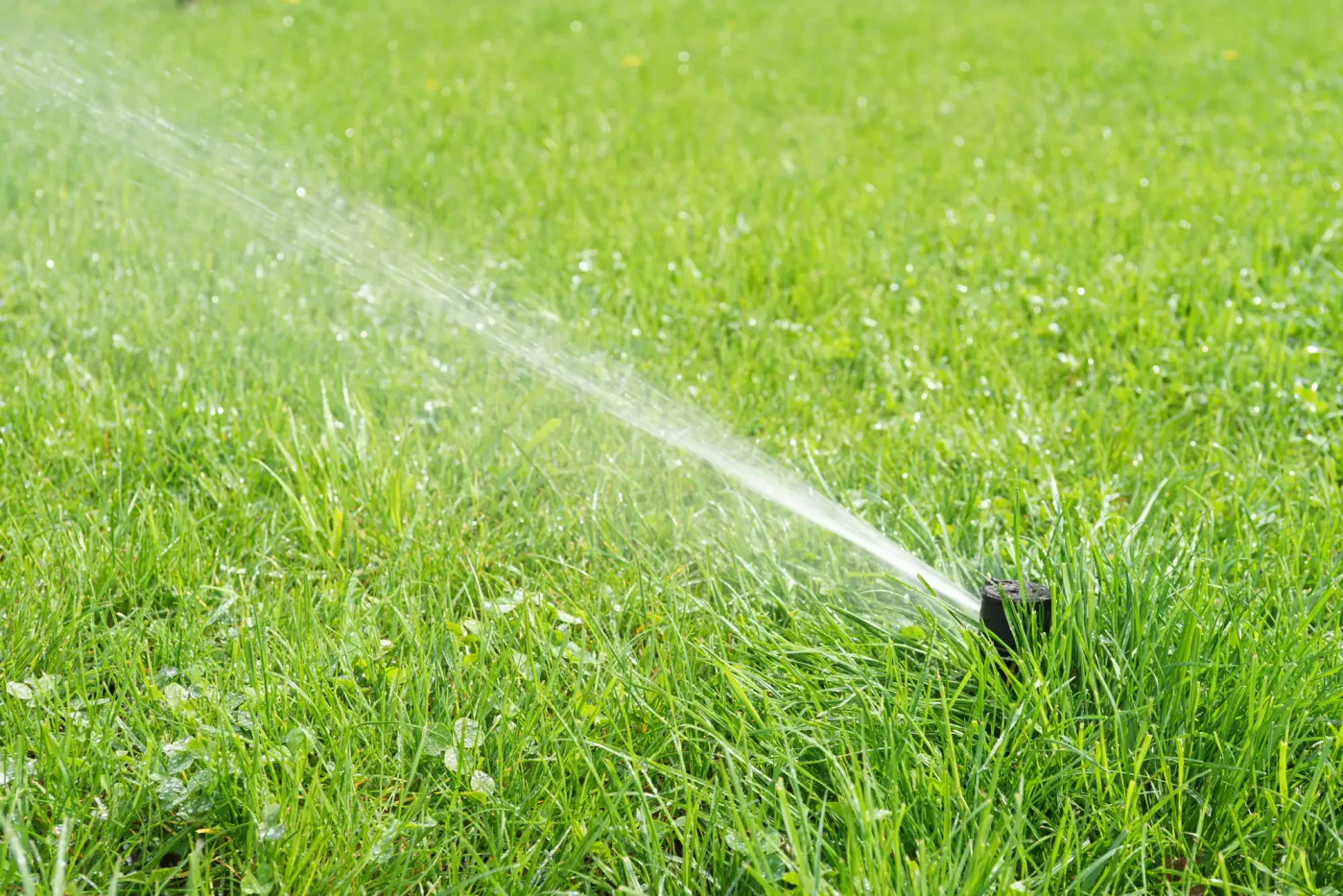
Is an Irrigation System Upgrade Worth the Investment
The question isn’t whether upgrading costs money. It does. The real question is whether you keep paying for an inefficient system’s problems or invest in technology that solves them.
If your water bills climb every summer, if repairs happen multiple times a year, if your landscape has persistent coverage issues—those costs aren’t going away on their own. They’re compounding. Every month you wait is another month of wasted water, another potential repair, another season of stressed plants.
Modern irrigation technology stops that cycle. Smart controllers cut water waste by 30-50%. Proper zoning eliminates coverage problems. Quality components reduce repair frequency. The upfront investment pays itself back through savings, typically within three to five years, then continues saving you money for the next 15-20 years of system life.
You don’t have to replace everything at once if your budget doesn’t allow it. Strategic upgrades starting with a smart controller and high-efficiency components in problem areas deliver immediate benefits. But if your system is 15-20 years old and showing its age, complete replacement often makes more financial sense than continuing to repair failing infrastructure.
We can evaluate your current irrigation system, identify specific inefficiencies, and show you exactly what modern technology would do for your property. The difference is measurable in lower bills, healthier landscapes, and eliminated headaches. The upgrade starts working for you the day it’s installed.