Your irrigation choice affects more than just your water bill. In Palm Beach County, where water restrictions are strict and temperatures soar, the wrong system can lead to fines, dead plants, and wasted money. Whether you’re dealing with thirsty St. Augustine grass or drought-sensitive shrubs, understanding the real differences between drip and spray irrigation helps you make decisions that actually work in Florida’s unique climate. Here’s what you need to know about each method and how they perform when it matters most.
How Drip Irrigation Works in Florida Landscapes
Drip irrigation delivers water directly to plant roots through a network of tubes with tiny holes or emitters. Unlike spray systems that shoot water into the air, drip systems place water exactly where plants need it most. The hoses sit on top of your soil, hidden under mulch, slowly releasing small amounts of water over time.
This method works particularly well in Palm Beach County’s sandy soils, where water can drain away quickly. The slow, steady application gives water time to soak in rather than running off. You’ll find drip irrigation especially effective for plant beds, shrubs, and container gardens where precision matters more than coverage area.
Water Conservation Benefits of Drip Systems
Drip irrigation can cut your outdoor water usage significantly because it eliminates the biggest sources of waste in traditional systems. There’s no water lost to wind drift, evaporation from spray heads, or runoff from overwatering. Every drop goes directly to the root zone where plants can actually use it.
In Florida’s hot climate, this efficiency becomes even more important. When spray systems lose water to evaporation in 90-degree heat, drip systems keep delivering consistent moisture below the surface. This targeted approach means you can water drought-tolerant plants without encouraging weeds in surrounding areas, and you won’t accidentally soak areas that don’t need water.
The water savings add up quickly. Many Palm Beach County homeowners see their irrigation water usage drop by 30-50% when they switch appropriate areas from spray to drip systems. With water rates continuing to rise and drought restrictions becoming more common, these savings become substantial over time. Plus, since drip systems can run anytime under Florida law, you have more flexibility in when you water.
Best Applications for Drip Irrigation in Your Yard
Drip irrigation excels in specific situations where precision and efficiency matter most. Plant beds with mixed shrubs, perennials, and groundcovers benefit enormously because you can customize water delivery to each plant’s needs. Container gardens and planters are perfect candidates since drip lines can run directly into pots, eliminating hand-watering chores.
Areas with challenging terrain also favor drip systems. Slopes where spray irrigation would cause runoff work well with drip emitters that allow water to soak in slowly. Narrow planting strips along walkways or between buildings get consistent coverage without overspray onto hardscaping. Established trees and large shrubs thrive with drip systems that deliver deep, infrequent watering to encourage strong root development.
However, drip irrigation isn’t meant for everything. Large lawn areas become impractical because you’d need extensive tubing networks, and the system can’t provide the broad coverage that grass needs. The tubing also requires protection from foot traffic, lawn equipment, and UV exposure. Regular maintenance becomes critical since small emitters can clog easily, especially in areas with hard water or debris.
When Spray Irrigation Makes More Sense
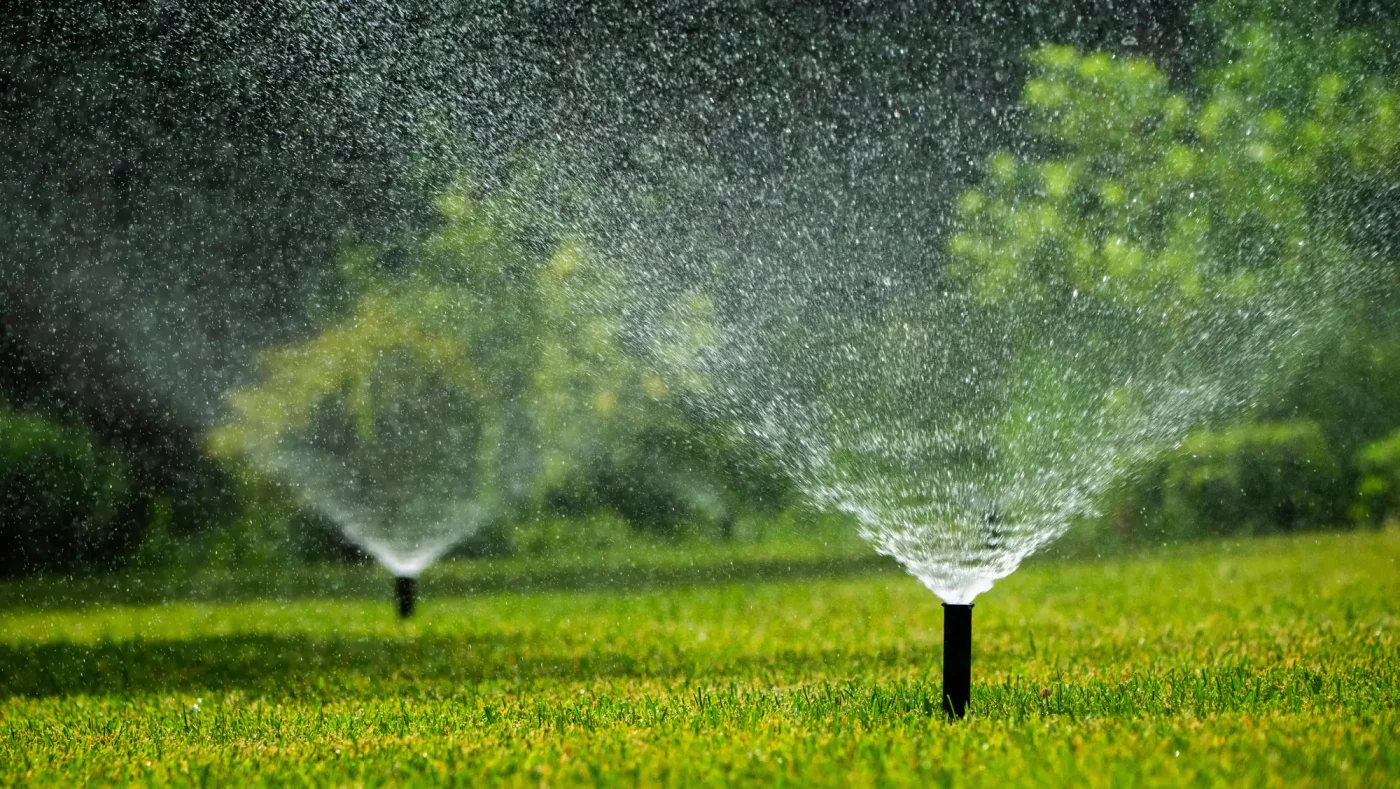
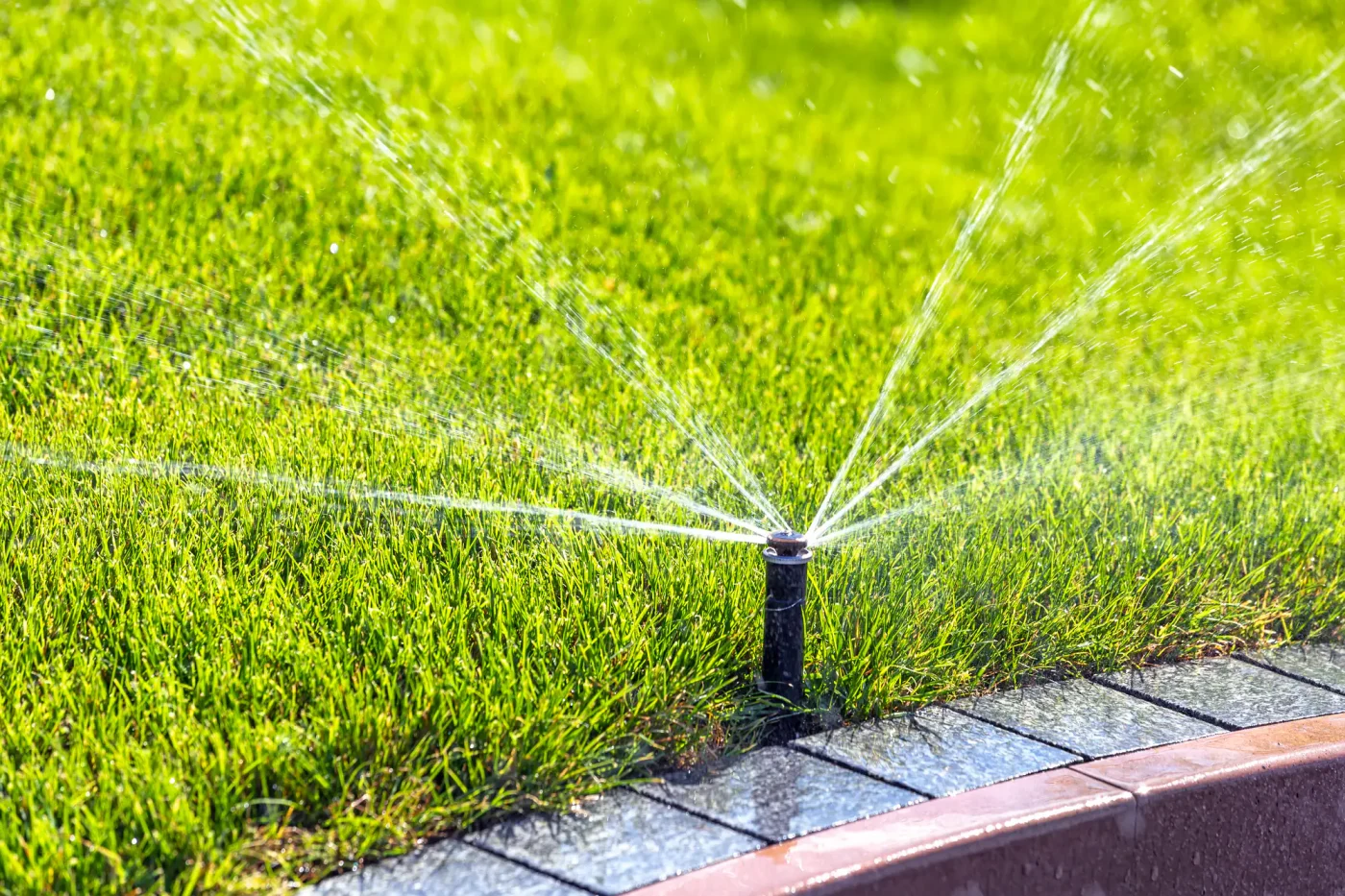
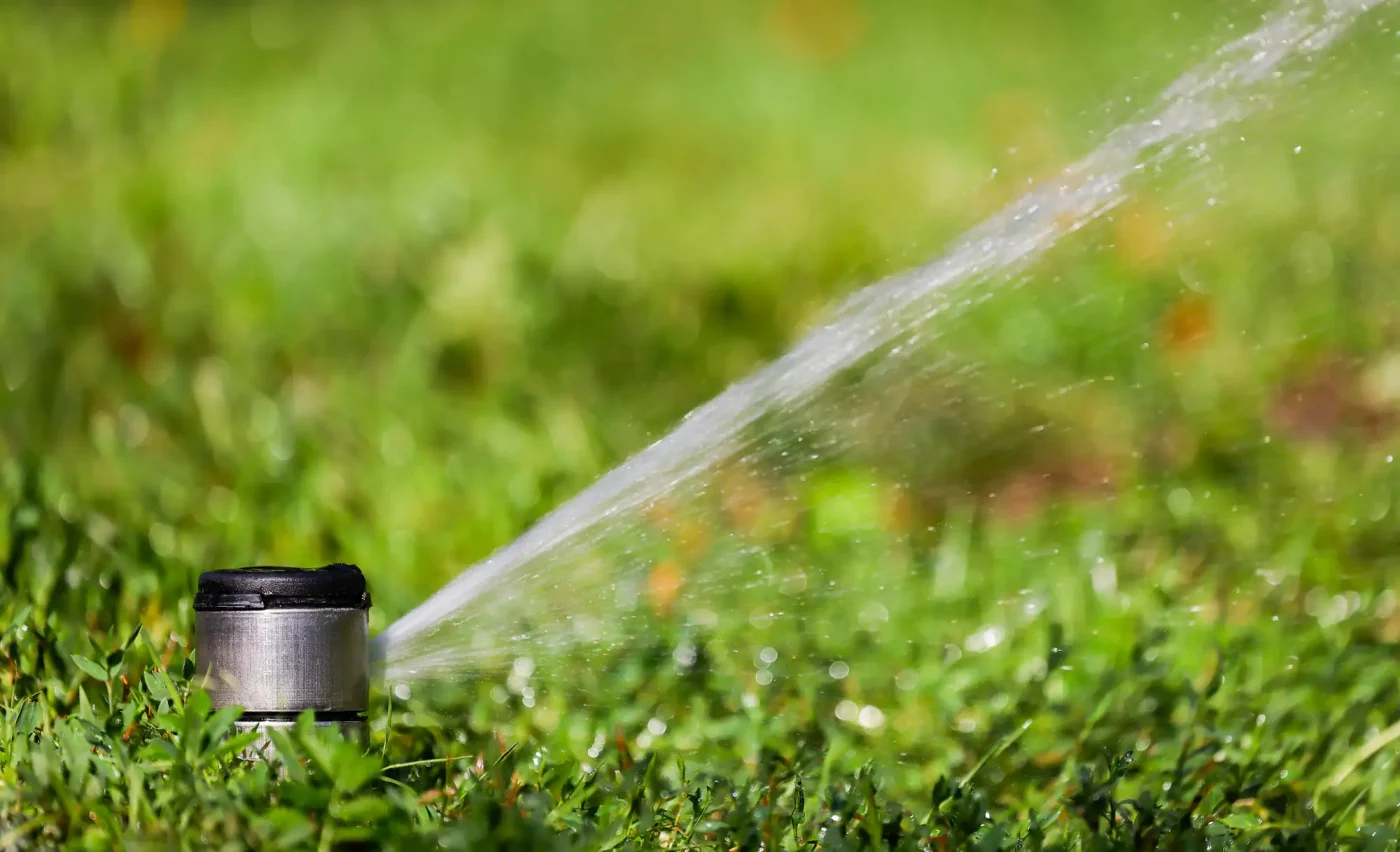
Spray irrigation systems use pressurized water delivered through various types of heads to cover large areas quickly and efficiently. In Palm Beach County landscapes, spray systems handle the heavy lifting for lawns, large groundcover areas, and anywhere you need broad, uniform coverage. Modern spray heads can be adjusted for different patterns, distances, and flow rates to match your specific landscape needs.
The key advantage is coverage area. A single spray head can water a 15-30 foot radius, making it practical for the expansive lawn areas common in Florida neighborhoods. Spray systems also integrate well with automated controllers and smart technology, allowing you to program different zones for different plant types and adjust schedules seasonally.
Spray System Efficiency in Florida's Climate
Modern spray irrigation has come a long way from the wasteful systems of decades past. Today’s pressure-regulated heads and matched precipitation rates ensure even water distribution without the dry spots and overwatered areas that plagued older systems. Smart controllers adjust watering schedules based on weather data, soil moisture, and seasonal needs, dramatically reducing waste.
The efficiency gains become significant when systems are properly designed and maintained. Proper head spacing eliminates gaps in coverage, while pressure regulation prevents misting and wind drift. Rain sensors, required by Florida law, automatically shut off systems during wet weather. When combined with appropriate scheduling that waters during cooler morning hours, spray systems can achieve good efficiency while covering large areas.
However, spray systems still lose more water to evaporation than drip systems, especially during hot, windy conditions common in Palm Beach County. The water travels through air before reaching plants, creating opportunities for loss that don’t exist with drip irrigation. This makes proper timing and weather-based controls even more critical for spray system efficiency.
Compliance and Maintenance Considerations
Florida’s water restrictions significantly impact spray irrigation systems. Current regulations prohibit landscape watering between 10 AM and 4 PM, limit watering to specific days based on your address, and require rain sensors on all automatic systems. Violations can result in substantial fines, making compliance a serious concern for Palm Beach County homeowners.
Spray systems require more attention to stay compliant because they’re more visible and use more water per application. Controllers must be properly programmed and maintained to respect time restrictions and seasonal adjustments. Rain sensors need regular testing to ensure they’re functioning correctly. System pressure and coverage patterns should be checked regularly since misaligned heads can spray onto sidewalks, streets, or neighboring properties.
Maintenance requirements differ significantly between the two systems. Spray heads need periodic cleaning and adjustment, especially in areas with hard water that can cause mineral buildup. Broken or damaged heads are obvious and easy to spot but can waste significant water if not repaired quickly. Drip systems require different maintenance focused on preventing and clearing clogs in emitters, checking for damaged tubing, and ensuring proper water pressure throughout the system. While drip system problems are often less visible, they can cause plant stress if not caught early.
Choosing the Right Irrigation Method for Your Property
The best irrigation strategy for most Palm Beach County properties combines both methods strategically. Use spray irrigation for lawn areas where broad coverage and quick application make sense. Apply drip irrigation to plant beds, shrubs, and areas where water conservation and precision matter most. This hybrid approach maximizes efficiency while keeping installation and maintenance costs reasonable.
Consider your specific landscape needs, local water restrictions, and long-term maintenance preferences when making decisions. Professional installation ensures proper design, compliance with local codes, and optimal performance from day one. For expert guidance on designing an irrigation system that works with Palm Beach County’s climate and regulations, we’re here to help you discuss your specific needs and find the right solution for your property.