Essential Sprinkler Maintenance Checklist for Florida Homeowners
Summary:
Why Florida Sprinkler Systems Need Regular Maintenance
Florida’s climate creates unique challenges that make regular sprinkler maintenance absolutely critical. Your system doesn’t get a break—it runs through scorching summers, sudden afternoon storms, and varying seasonal demands that stress every component.
Unlike systems in cooler climates that shut down for winter, yours operates year-round. The constant cycling, combined with Florida’s mineral-rich water and sandy soils, accelerates wear on sprinkler heads, valves, and controllers. Add in the occasional hurricane or tropical storm, and you’ve got conditions that can quickly turn minor issues into major problems.
Without regular attention, small problems compound. A slightly clogged nozzle becomes uneven coverage. A minor valve leak becomes a water bill surprise. And when your system fails during a dry spell, your landscape pays the price with brown patches and stressed plants that take months to recover.
Most Common Florida Irrigation Problems You Can Prevent
The most frequent issues plaguing Florida irrigation systems are entirely preventable with regular maintenance. Clogged sprinkler heads top the list—debris, sand, and mineral buildup restrict water flow, creating dry spots and uneven coverage across your lawn.
Misaligned or damaged sprinkler heads are equally common. Whether from lawn equipment, foot traffic, or settling soil, heads that spray sidewalks instead of grass waste water and leave your landscape thirsty. These issues often go unnoticed until brown patches appear or neighbors mention water hitting their driveway.
Controller problems create another layer of frustration. Many homeowners set their irrigation timer once and forget it, not realizing that Florida’s seasonal water needs change dramatically. A system set for summer’s peak demand will overwater during cooler months, promoting disease and wasting hundreds of gallons.
Valve issues present the most costly problems when ignored. Leaking valves can waste thousands of gallons monthly while creating soggy areas that breed mosquitoes and fungal problems. Stuck valves leave entire zones without water, often discovered only when sections of lawn start browning.
The underground nature of most problems makes early detection challenging. A small leak in a buried line can run for months before creating visible wet spots, meanwhile driving up water bills and potentially damaging your foundation or hardscaping.
Regular maintenance catches these issues early, when repairs are simple and inexpensive. The alternative—emergency repairs during peak season—costs significantly more and often means temporary damage to your landscape while problems are diagnosed and fixed.
Seasonal Maintenance Requirements for Florida Climate
Florida’s year-round growing season demands different maintenance approaches than traditional four-season climates. Your irrigation system needs adjustments that match the state’s distinct wet and dry periods, varying plant water needs, and intense summer demands.
Spring preparation is crucial as temperatures rise and plants emerge from their brief winter dormancy. This is when you’ll flush debris from lines, test all zones for proper coverage, and adjust run times for increasing water demands. Spring is also prime time for identifying winter damage from occasional freezes or storm debris.
Summer maintenance focuses on efficiency and reliability. Your system works hardest during these months, making it essential to clean clogged nozzles, adjust heads for optimal coverage, and ensure controllers are programmed correctly. This is when minor issues become major problems if ignored.
Fall brings the opportunity to reduce watering schedules as temperatures moderate and natural rainfall increases. Many homeowners miss this adjustment, continuing summer watering levels into cooler months. This overwatering promotes fungal diseases and wastes significant water during Florida’s traditionally drier fall period.
Winter maintenance in Florida isn’t about winterization like northern climates—it’s about taking advantage of cooler weather to perform thorough system inspections and repairs. This is the ideal time for major maintenance since your lawn can tolerate brief service interruptions.
Hurricane season adds another dimension to Florida irrigation maintenance. Post-storm inspections are essential, as high winds and flooding can damage exposed components, shift sprinkler heads, or introduce debris into the system. Smart homeowners schedule maintenance immediately after major weather events.
The key to successful seasonal maintenance is understanding that Florida’s irrigation systems never truly rest. They require ongoing attention that matches the state’s unique climate patterns and plant growth cycles.
Step-by-Step Sprinkler Maintenance Checklist
A systematic approach to sprinkler maintenance ensures you catch problems early and keep your system running efficiently. This checklist covers the essential tasks every Florida homeowner should perform regularly to protect their irrigation investment.
Start with a visual inspection of your entire system. Walk each zone while it’s running, looking for obvious issues like broken heads, water spraying in wrong directions, or areas that aren’t receiving adequate coverage. This initial overview helps you identify immediate problems before diving into detailed maintenance tasks.
Your controller deserves special attention as the brain of your irrigation system. Check that all settings match your current needs—many homeowners discover their system has been running on outdated schedules that waste water and stress plants.
Monthly Inspection Tasks for Optimal Performance
Monthly inspections catch developing problems before they become expensive repairs. Focus on the components that work hardest and show problems first—your sprinkler heads and immediate surrounding areas.
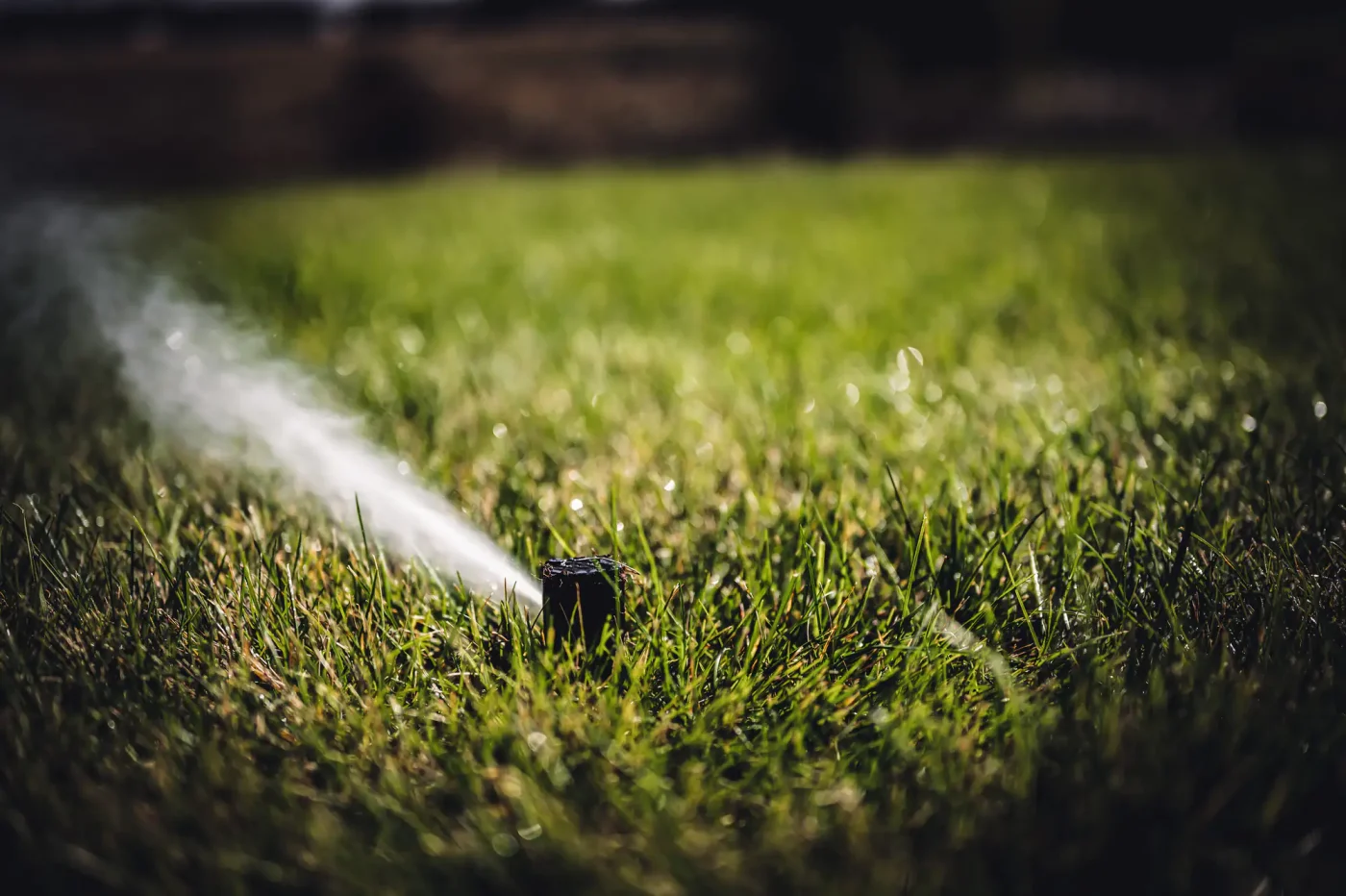
Check each sprinkler head for proper pop-up action. Heads should rise fully when activated and retract completely when the zone shuts off. Partially stuck heads get damaged by mowers and foot traffic, while heads that don’t retract properly indicate pressure problems or internal damage.
Examine spray patterns carefully. Each head should produce its intended coverage area without excessive misting or weak streams. Uneven patterns usually indicate clogged nozzles, damaged internal components, or pressure issues that affect multiple heads in the zone.
Look for signs of leakage around each head. Small puddles, constantly wet areas, or unusually lush grass around sprinkler locations often indicate underground leaks that waste water and can cause foundation problems if near structures.
Test your rain sensor monthly, especially during dry periods when it’s not naturally activated. Pour water over the sensor to ensure it stops the irrigation cycle—a malfunctioning rain sensor wastes enormous amounts of water during Florida’s frequent afternoon storms.
Inspect visible piping and valve boxes for damage, leaks, or debris accumulation. Valve boxes often collect leaves, dirt, and occasionally small animals that can interfere with proper operation. Keep these areas clean and accessible for future maintenance.
Check your water pressure at various points in the system. Low pressure indicates potential leaks or clogs, while excessive pressure can damage components and create misting that reduces efficiency. Consistent pressure across all zones indicates a healthy system.
Document any changes you notice from month to month. Gradual changes in coverage patterns or pressure often indicate developing problems that are easier and cheaper to address early rather than waiting for complete failure.
Cleaning and Adjusting Sprinkler Components
Regular cleaning and adjustment of sprinkler components maintains optimal performance and extends system life. These tasks require minimal tools but make significant differences in water efficiency and landscape health.
Start with nozzle cleaning, the most common maintenance need in Florida’s mineral-rich water environment. Remove clogged nozzles by unscrewing them counterclockwise, then rinse thoroughly with clean water. Use a small wire or toothpick to clear stubborn debris from tiny openings, but avoid enlarging holes which affects spray patterns.
For heavily mineralized nozzles, soak them in vinegar or commercial lime-scale remover for 30 minutes before scrubbing with an old toothbrush. This dissolves calcium and magnesium buildup that restricts water flow and creates uneven coverage patterns.
Adjust spray patterns to match your landscape needs. Most rotary heads have adjustment screws that control arc and distance, while spray heads often have interchangeable nozzles for different coverage patterns. Make adjustments gradually, testing coverage between changes.
Clean filter screens regularly, especially in areas with well water or older municipal systems that carry more sediment. These small screens protect nozzles from debris but become maintenance points themselves when clogged with accumulated particles.
Lubricate moving parts annually with irrigation-specific lubricants that won’t attract dirt or degrade in outdoor conditions. This includes the pop-up mechanisms in spray heads and the rotation mechanisms in rotary heads. Proper lubrication prevents binding that leads to uneven coverage or component failure.
Level and adjust sprinkler heads that have settled or shifted over time. Heads should sit flush with ground level—too high and they’re damaged by equipment, too low and coverage suffers. Use soil or sand to adjust height, ensuring stable positioning that won’t shift with normal lawn maintenance.
Replace worn components before they fail completely. Nozzles, filters, and seals are inexpensive maintenance items that prevent more costly repairs when replaced proactively. Keep common replacement parts on hand for quick fixes that maintain system performance.
Protecting Your Florida Landscape Investment
Regular sprinkler maintenance isn’t just about avoiding repair bills—it’s about protecting the significant investment you’ve made in your Florida landscape. A well-maintained irrigation system ensures your plants stay healthy, your water bills stay reasonable, and your property maintains its curb appeal year-round.
The key is consistency. Monthly inspections, seasonal adjustments, and prompt attention to small problems prevent the major failures that damage landscapes and drain budgets. Your irrigation system works hard in Florida’s demanding climate, and it deserves the regular care that keeps it running efficiently.
When maintenance tasks feel overwhelming or you discover problems beyond basic cleaning and adjustment, we’re here to help ensure your system receives expert care. We specialize in keeping Florida irrigation systems running at peak performance, offering the expertise and reliability that busy homeowners need to protect their landscape investments.