Your Florida lawn faces challenges that most other states never deal with. Sandy soil that drains faster than you can water it. Mandatory irrigation restrictions that limit when you can run your system. Scorching heat that turns water into vapor before it reaches the roots.
If you’re tired of brown patches, sky-high water bills, or spending weekends dragging hoses around your property, you’re not alone. The right sprinkler system can solve these problems – but only if you choose one designed for Florida’s unique conditions.
Here’s what you need to know to make the smart choice for your lawn, your budget, and your peace of mind.
Understanding Florida's Unique Irrigation Challenges
Florida isn’t like other states when it comes to lawn care. Our sandy soil drains water so quickly that traditional watering methods often fail before they start. Add in year-round growing seasons, intense UV exposure, and strict water restrictions, and you’ve got a perfect storm of irrigation challenges.
Your lawn needs consistent moisture to thrive, but Florida’s climate works against you at every turn. Water evaporates rapidly in our heat. Rain comes in floods or not at all. And those mandatory watering schedules? They’re not suggestions – they’re the law.
This is exactly why choosing the best sprinkler system Florida has to offer matters so much here. It’s not just about convenience – it’s about working with our conditions instead of fighting them.
Sandy Soil and Drainage Issues in Palm Beach County
Florida’s sandy soil creates a constant challenge that catches many homeowners off guard. Water disappears faster than your lawn can absorb it, leaving you with soggy spots in low areas and bone-dry patches everywhere else.
Traditional sprinkler heads that work perfectly in northern climates often fail here. They deliver water too quickly for sandy soil to absorb, leading to runoff and waste. You end up watering your driveway more than your grass.
The solution lies in understanding precipitation rates – how fast your system delivers water versus how fast your soil can absorb it. Modern spray heads and rotary nozzles designed for Florida irrigation systems deliver water at slower rates, giving it time to soak in rather than run off.
Smart homeowners in Palm Beach County also consider drip irrigation for plant beds and shrub areas. Unlike traditional sprinklers that spray water through the air where Florida’s heat can steal it, drip systems deliver water directly to root zones. This targeted approach works especially well in our sandy soil, where surface watering often fails to reach deeper root systems.
The key is matching your irrigation method to your specific soil conditions. A one-size-fits-all approach simply doesn’t work in Florida’s diverse landscape conditions.
Water Restrictions and Compliance Requirements
Florida’s water restrictions aren’t optional – they’re mandatory regulations enforced throughout Palm Beach County and beyond. These year-round conservation measures specify exactly when you can water, typically limiting irrigation to specific days based on whether your address ends in an odd or even number.
Most areas allow watering twice per week during growing season and once per week during cooler months. But here’s what many homeowners miss: the restrictions also specify times, usually between midnight and 4 AM. This timing isn’t arbitrary – it’s when water absorption is highest and evaporation is lowest.
Smart irrigation controllers have become essential for compliance. These systems automatically adjust watering schedules based on local weather data and soil conditions. They skip watering cycles when it’s been raining and extend them during dry spells, all while staying within legal watering windows.
Rain sensors are actually required by law in Florida for automatic irrigation systems. These devices prevent your sprinklers from running during rainstorms – something that looks ridiculous and wastes water. Soil moisture sensors take this concept further, measuring actual ground conditions to determine when watering is truly needed.
Any sprinkler system installation you’re considering needs to work within Florida’s regulatory framework. Systems that can’t adapt to these restrictions will cost you money in fines and wasted water.
Best Sprinkler System Types for Florida Lawns
Not all sprinkler systems are created equal, especially in Florida’s challenging environment. The three main types – spray head systems, rotary systems, and drip irrigation – each have specific advantages depending on your lawn’s size, layout, and plant materials.
Understanding these differences helps you choose the right Florida irrigation system for your specific needs rather than settling for whatever the lowest bidder suggests. Each system type works best in certain situations, and many homeowners benefit from combining multiple approaches.
Spray Head vs. Rotary Sprinkler Systems
Spray head systems work best for smaller, uniform lawn areas – typically spaces under 15 feet in any direction. These fixed-pattern heads deliver water in consistent fan or circle patterns, making them ideal for tight spaces and mixed plantings. They’re also the most affordable option for basic coverage needs.
The downside? Spray heads deliver water quickly, which can overwhelm Florida’s sandy soil if not properly designed. They also lose more water to evaporation since they spray droplets higher into the air where our intense sun and wind can grab them.
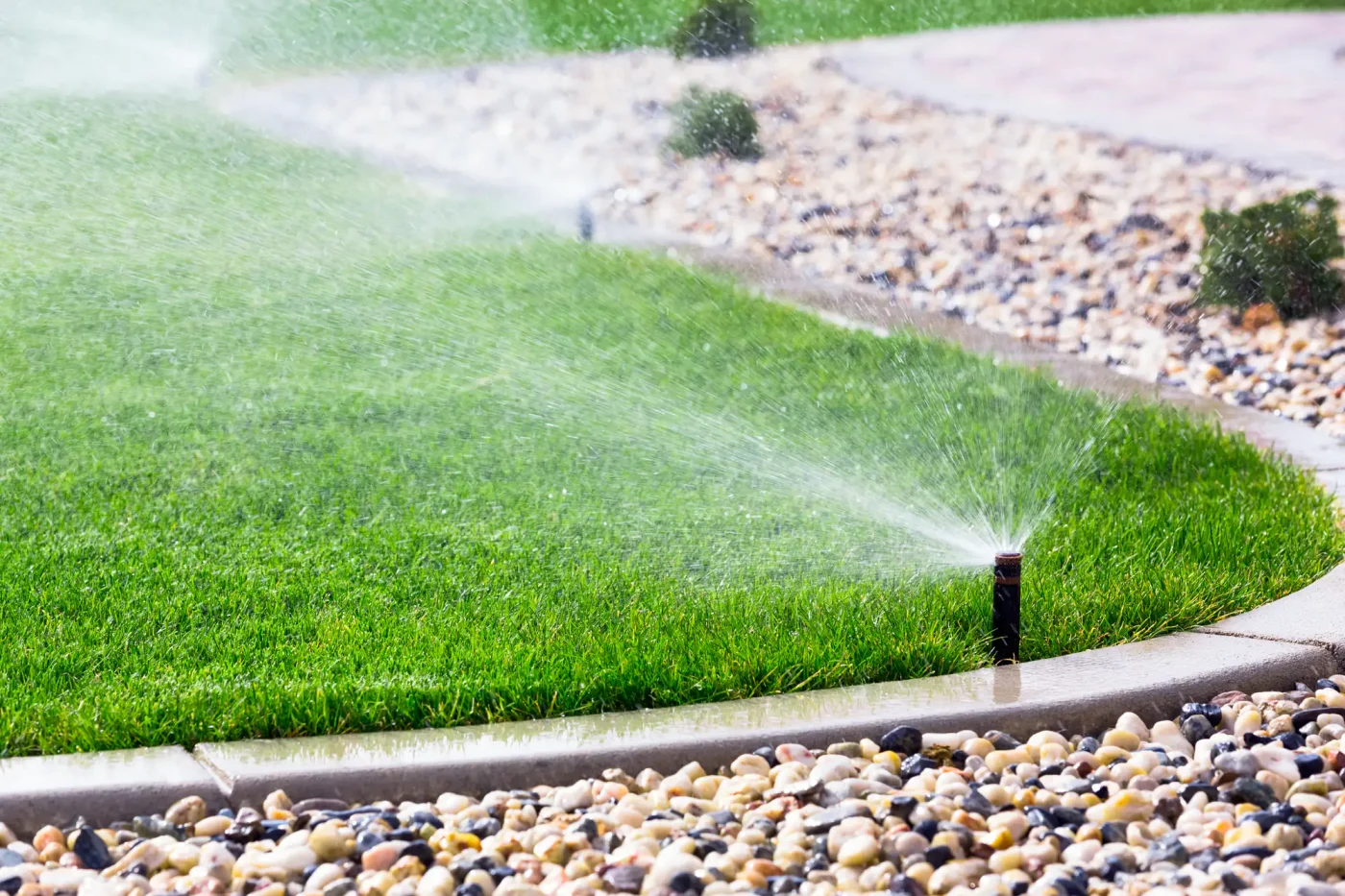
Rotary sprinkler systems solve many of these problems by delivering water more slowly through rotating streams. These systems work better for larger lawn areas and they’re particularly effective for the expansive St. Augustine and Bahia grass lawns common throughout Palm Beach County.
Rotary heads apply water at slower precipitation rates, giving sandy soil time to absorb moisture instead of letting it run off. They also throw water in lower trajectories, reducing evaporation losses. The trade-off is higher upfront costs and slightly more complex maintenance requirements.
For most Florida homeowners with medium to large lawns, rotary systems provide better long-term value. They use water more efficiently, provide more even coverage, and handle our climate conditions better than basic spray heads. However, spray heads still have their place in smaller areas and mixed landscape zones where precision matters more than coverage area.
Professional sprinkler system installation ensures these systems are properly designed for your specific conditions, with the right head spacing and precipitation rates for optimal performance.
Drip Irrigation for Plant Beds and Gardens
Drip irrigation represents the most water-efficient option for Florida landscapes, particularly for plant beds, shrub areas, and vegetable gardens. Instead of spraying water through the air where heat and wind can steal it, drip systems deliver water directly to root zones through a network of tubes and emitters.
This targeted approach works exceptionally well in Florida’s sandy soil conditions. Traditional sprinklers often fail to penetrate deep enough into sandy ground, leaving roots thirsty even after watering cycles. Drip irrigation eliminates this problem by placing water exactly where plants need it most.
The efficiency gains are substantial – drip systems can save 30 to 50 percent more water compared to conventional spray heads. They eliminate overspray onto hardscapes like driveways and sidewalks, and they virtually eliminate evaporation losses since water never enters the air.
Installation flexibility makes drip irrigation particularly attractive for Palm Beach County homeowners dealing with irregular property layouts. Drip lines can be installed above ground and hidden under mulch, or buried slightly below the surface for permanent installations. They work particularly well for irregularly shaped plant beds, sloped areas, and mixed plantings with different water requirements.
However, drip irrigation isn’t suitable for lawn areas – it’s designed for targeted plant watering, not broad turf coverage. Most Florida homeowners benefit from combining drip irrigation for their landscape beds with traditional sprinklers for lawn areas. This hybrid approach maximizes efficiency while providing appropriate coverage for different plant types.
The key to successful drip irrigation in Florida is proper system design and regular maintenance. Professional installation ensures optimal placement and performance, while routine maintenance keeps emitters flowing properly in our challenging water conditions.
Making the Smart Choice for Your Palm Beach County Property
Choosing the best sprinkler system Florida conditions require comes down to matching technology to your specific situation – your lawn size, soil type, plant materials, and budget. There’s no universal “best” system, but there are proven approaches that work consistently in our challenging environment.
Start by evaluating your current irrigation challenges. Are you dealing with dry spots, high water bills, or compliance issues with local restrictions? These problems point toward specific solutions that can address your most pressing needs while working within Florida’s unique regulatory and environmental framework.
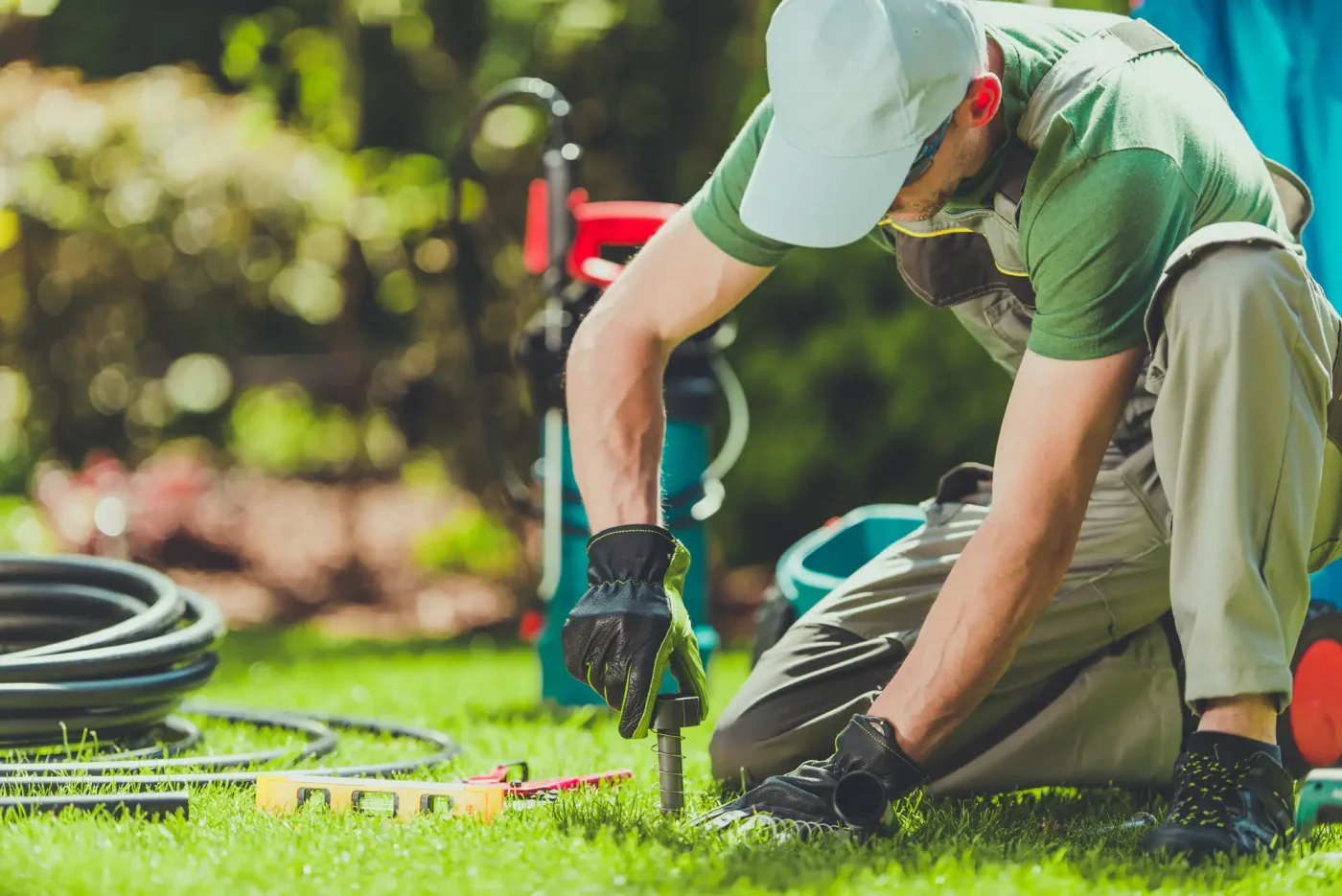
Consider working with experienced professionals who understand Florida irrigation systems inside and out. Quality installation makes the difference between a system that works efficiently for decades and one that becomes a constant source of problems and expenses.
When you’re ready to upgrade your irrigation system, we at Sprinkler Contractors of Palm Beaches LLC bring decades of experience helping homeowners navigate these choices and design solutions that keep lawns healthy while respecting both budgets and Florida’s water conservation requirements.