
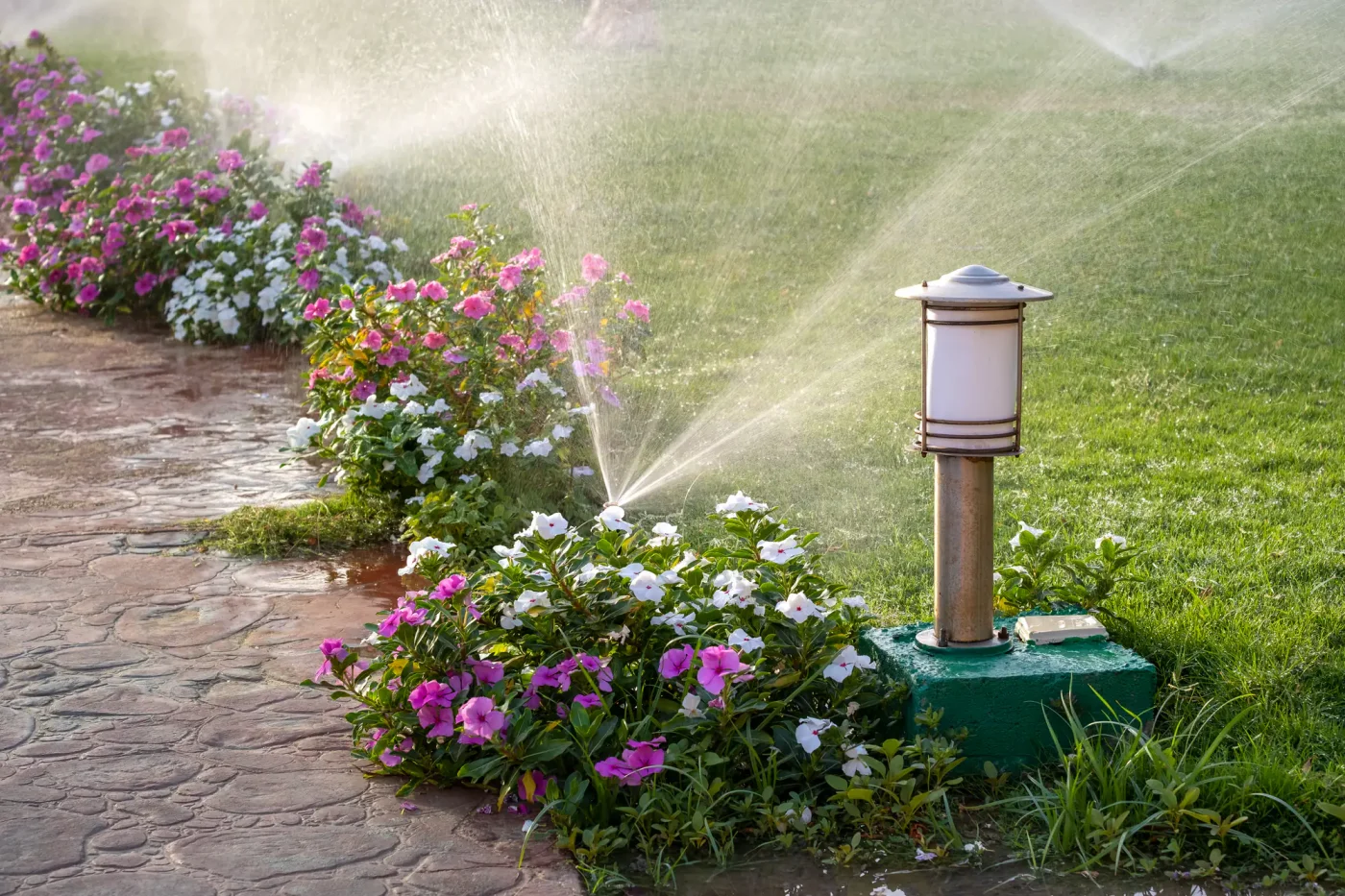
Creating the perfect watering schedule for your Florida lawn isn’t just about turning on the sprinklers. With sandy soils that drain quickly and strict water restrictions, you need a strategic approach that conserves water while keeping your grass healthy.
This guide covers everything from optimal timing and frequency to seasonal adjustments and soil-specific techniques. You’ll learn how to work with Florida’s unique climate conditions to maintain a vibrant lawn without wasting water or breaking local regulations.
Your Florida lawn faces unique challenges that most other states never deal with. Sandy soil that drains like a sieve. Water restrictions that limit when you can irrigate. Intense heat that can evaporate half your water before it reaches the roots.
But here’s what most homeowners don’t realize: the right watering schedule can actually make your lawn healthier while using less water. You just need to understand how Florida’s climate and soil work together, and time everything perfectly.
Let’s break down exactly when, how much, and how often to water your lawn for the best results.
Best Time to Water Your Florida Lawn
The timing of your watering makes or breaks everything else you do for your lawn. Get this wrong, and you’re literally pouring money down the drain.
The ideal window is early morning, between 4 and 10 AM, when water can soak into the soil and be absorbed by grass before the heat causes evaporation. This isn’t just a suggestion – it’s the difference between efficient watering and waste.
Watering during midday heat wastes 40-60% of your water to evaporation, and water droplets act like tiny magnifying glasses that can actually burn your grass blades. Evening watering might seem logical, but it creates the perfect conditions for fungal diseases when moisture sits on grass all night.
Why Early Morning Watering Works in Florida’s Climate
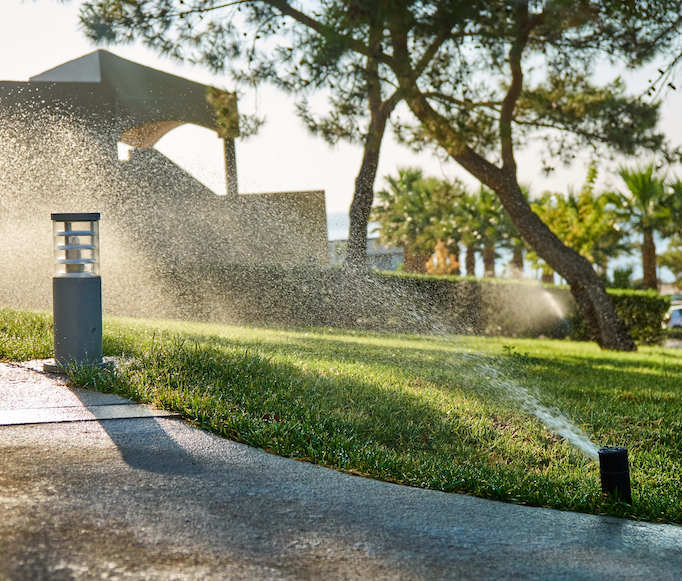
Starting around 5 AM gives your grass time to absorb water before the sun hits, preventing the sun from burning off water before it reaches the roots. This timing works with Florida’s natural patterns rather than against them.
The early morning hours from 5-7 AM offer cool air and barely-up sun, minimizing water loss through evaporation while allowing the soft morning sun to evaporate any drops remaining on the blades. You can stretch this window until 8-10 AM if needed, but no later.
During Florida summers especially, the 5 AM start time becomes critical as temperatures stay cooler and water won’t evaporate quickly, giving the ground time to absorb what you’re applying. The soil temperature difference between 5 AM and 10 AM can mean the difference between deep penetration and surface runoff.
Evening watering creates prolonged moisture on grass blades, which leads to fungal diseases, and local water restrictions may determine your allowed watering times anyway. Many Palm Beach County, FL residents have learned this the hard way after dealing with brown patch or other moisture-related lawn diseases.
The key is consistency. Your grass develops its water uptake patterns based on when it expects moisture. Irregular timing confuses the plant’s natural processes and reduces efficiency.
Florida Water Restrictions and Compliance
Florida’s year-round water restrictions allow even-numbered addresses to irrigate only on Thursdays and Sundays, while odd-numbered addresses can water on Wednesdays and Saturdays. These aren’t suggestions – they’re enforceable regulations with real penalties.
The standard schedule allows watering before 10 AM or after 4 PM, with even addresses watering Thursday/Sunday and odd addresses watering Wednesday/Saturday. Properties without discernible addresses, like common areas, can water Tuesday/Friday during the same hours.
Some areas face even stricter restrictions – Hillsborough, Pasco, and Pinellas counties are currently under Modified Phase I restrictions limiting lawn watering to once per week through December 2024. Always check your local municipality first, as they may have stricter rules than the regional water management district.
New lawns get special consideration with a “30-30” establishment period – unlimited watering on installation day, then daily watering during allowable hours for the first 30 days, followed by three-day-per-week watering for the second 30 days. This recognizes that establishing grass needs more frequent moisture than mature turf.
The smart approach is programming your irrigation system to comply automatically. Set your timer for the allowed days and hours, but also install rain sensors that skip watering when nature provides enough moisture. If you receive ½ to ¾ inch of rainfall the day before your scheduled irrigation, you don’t need to water.
How Much Water Florida Lawns Actually Need
During summer months (June through September), Florida yards need no more than ½ to ¾ inch of water every 2-3 days, including both rainfall and irrigation, with frequency depending on grass type, soil conditions, and weather patterns.
Most Floridians follow the rule of thumb of 1 to 1.5 inches per week in one or two watering sessions, but grass needs vary across the state based on soil, time of year, and shade. The key is understanding that more isn’t always better – especially in sandy soil.
A simple schedule applies ½ to ¾ inch when turfgrass shows drought stress symptoms, then waits until drought signs are noticeable again before the next application. This approach builds stronger, deeper root systems than frequent light watering.
Working with Florida’s Sandy Soil Challenges
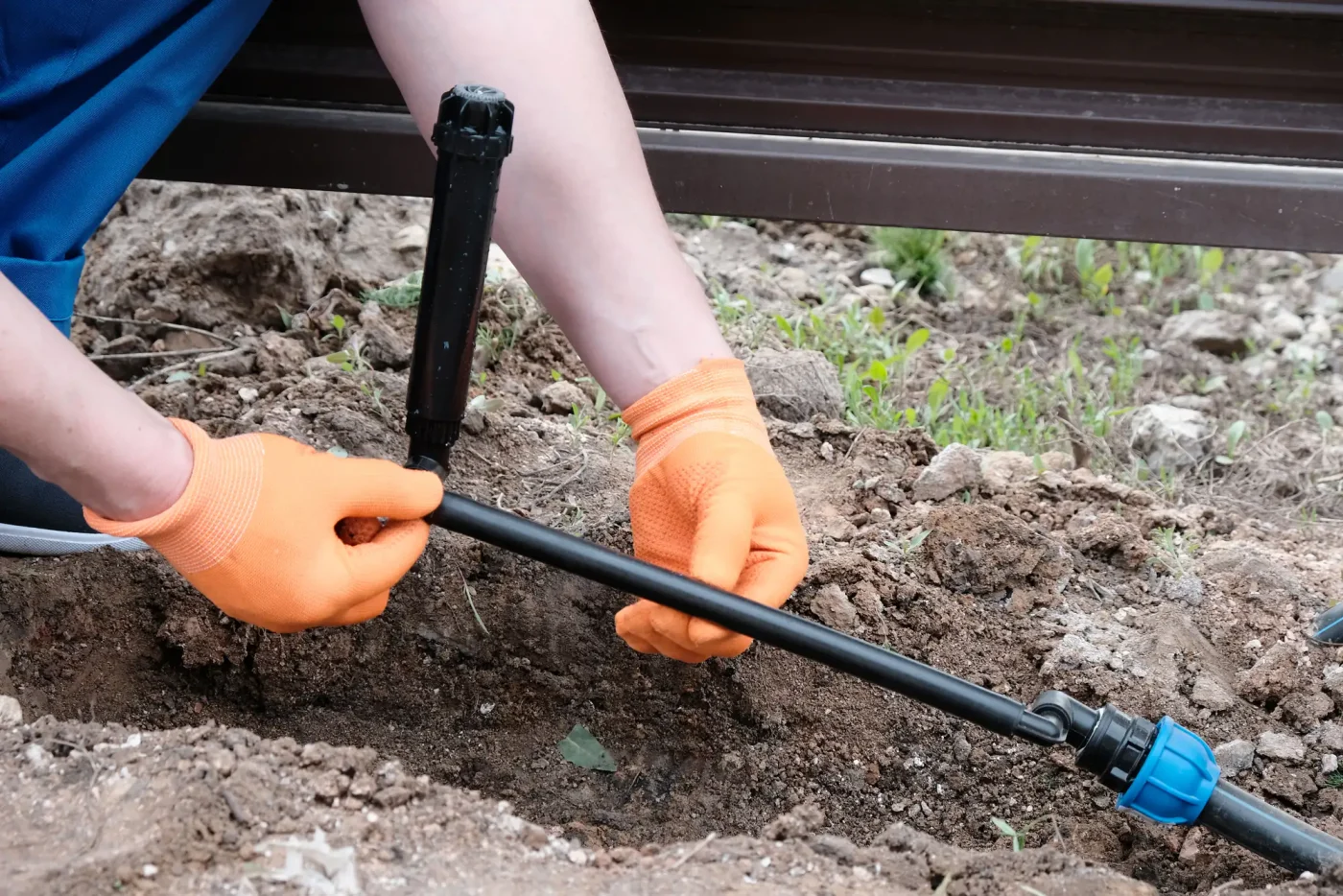
Most native Florida soils are sandy with low water-holding capacity, typically holding no more than 0.75 inches of water per foot of soil depth. This creates a unique challenge that many homeowners don’t understand until they’ve wasted thousands of gallons.
Florida’s sandy soils add a twist to the “water deep and less frequently” rule – since sandy soil retains only about 1 inch of water in the root zone, don’t try to soak it, instead apply ½ to ¾ inches per session as any excess infiltrates below where roots can access it.
Sandy soil structure allows rapid drainage but leads to quick drying and poor nutrient retention, requiring specific soil management strategies to counter these challenges. The large particles and significant spaces between them mean water moves through quickly rather than staying available for grass roots.
Sandy soils have larger pores than finer textured soils, making it more difficult to hold soil water against gravity, consequently having a lower capacity to store soil water for plant uptake. Understanding this helps explain why your neighbor’s clay soil holds water longer than your sandy yard.
When water-holding capacity is exceeded, mobile nutrients like nitrate-nitrogen can leach below the root system, and many homeowners aren’t aware of their soil’s low water-holding capacity, leading to applications that exceed what the soil can hold. This is why you might see your fertilizer washing away after heavy irrigation.
The solution isn’t watering more often – it’s watering smarter. Adding organic matter like compost or peat moss helps bind sandy particles together, reducing drainage speed and increasing nutrient-holding capacity. Even a thin layer of quality compost can dramatically improve your soil’s water retention.
Seasonal Watering Adjustments for Florida Grass Types
Florida’s climate is dry most of the time except for summer when it’s hot and humid, with June to October being the rainy season and the warm weather period running April to October. Your watering schedule needs to shift with these patterns.
Between November and April/May, water your lawn once per week during Florida’s winter, which reduces weeds and fungus growth while encouraging roots to grow deeper, preparing your lawn for summer when deep roots provide access to more water during blazing heat.
Summer requires two to three watering sessions per week, whether from rainfall or irrigation, but less frequent watering during mild Florida winters, with frequency adjustments based on actual grass needs. Don’t just follow a rigid schedule – watch your grass for signs.
Let the grass set the tone by watering only when 30-50% of the lawn shows drought signs like folded blades, bluish-gray color, and slower recovery from foot traffic. These visual cues are more reliable than any calendar-based system.
Different grass types have varying needs throughout the year. Both St. Augustine and Zoysia are drought-tolerant warm-season grasses, but Zoysia has the edge with its deeper root system allowing it to withstand dry conditions for longer periods. St. Augustine grass needs about 1 to 1.5 inches of water per week during growing season, while Zoysia needs less watering once established, making it a low-maintenance option.
Irrigation frequency varies based on grass species, rainfall amounts, soil type and compaction, shade presence, geographical location, and season – irrigation systems should be reset seasonally to reflect differing water requirements based on time of year. This isn’t a set-it-and-forget-it situation.
The rainy season from June through October often provides enough natural irrigation, but you need to monitor and adjust. Reduce or skip watering sessions when there’s sufficient rainfall – if you receive at least ½ to ¾ inch the day before scheduled irrigation, skip that session. Your rain sensor should handle this automatically, but manual oversight ensures optimal results.
Creating Your Perfect Florida Lawn Watering Schedule
The perfect watering schedule for your Florida lawn isn’t complicated, but it does require understanding your specific conditions. Start with early morning watering between 4-10 AM to maximize absorption before evaporation. Apply ½ to ¾ inches per session to match your sandy soil’s capacity. Follow local water restrictions – even addresses water Thursday/Sunday, odd addresses Wednesday/Saturday.
Most importantly, watch your grass rather than just following a rigid schedule. Water when 30-50% of your lawn shows drought stress signs like folded blades or bluish-gray color. This approach builds stronger root systems while conserving water and staying compliant with local regulations.
When you need professional help designing or maintaining an irrigation system that works with Florida’s unique challenges, we have the expertise to create efficient solutions that keep your lawn healthy while minimizing water waste.