Your sprinkler system is supposed to make lawn care easier, not give you headaches. But when something’s wrong, the signs aren’t always obvious until you’re dealing with brown patches, sky-high water bills, or angry neighbors complaining about overspray. Here in Palm Beach County, where water restrictions are strict and the Florida sun is unforgiving, catching
sprinkler problems early can save your lawn and your wallet. Let’s walk through the warning signs that tell you it’s time to call in the professionals.
Uneven Watering Patterns and Coverage Issues
One of the most obvious signs your irrigation system needs repair is uneven watering – you’ll notice some spots in your yard are thick, green, and thriving, while others look brown, dry, or thin. This isn’t just an aesthetic problem.
In Palm Beach County’s climate, uneven coverage can kill sections of your lawn in days. Even one day without proper irrigation can cause grass to brown and die, especially during our intense summer months.
What Causes Uneven Water Distribution
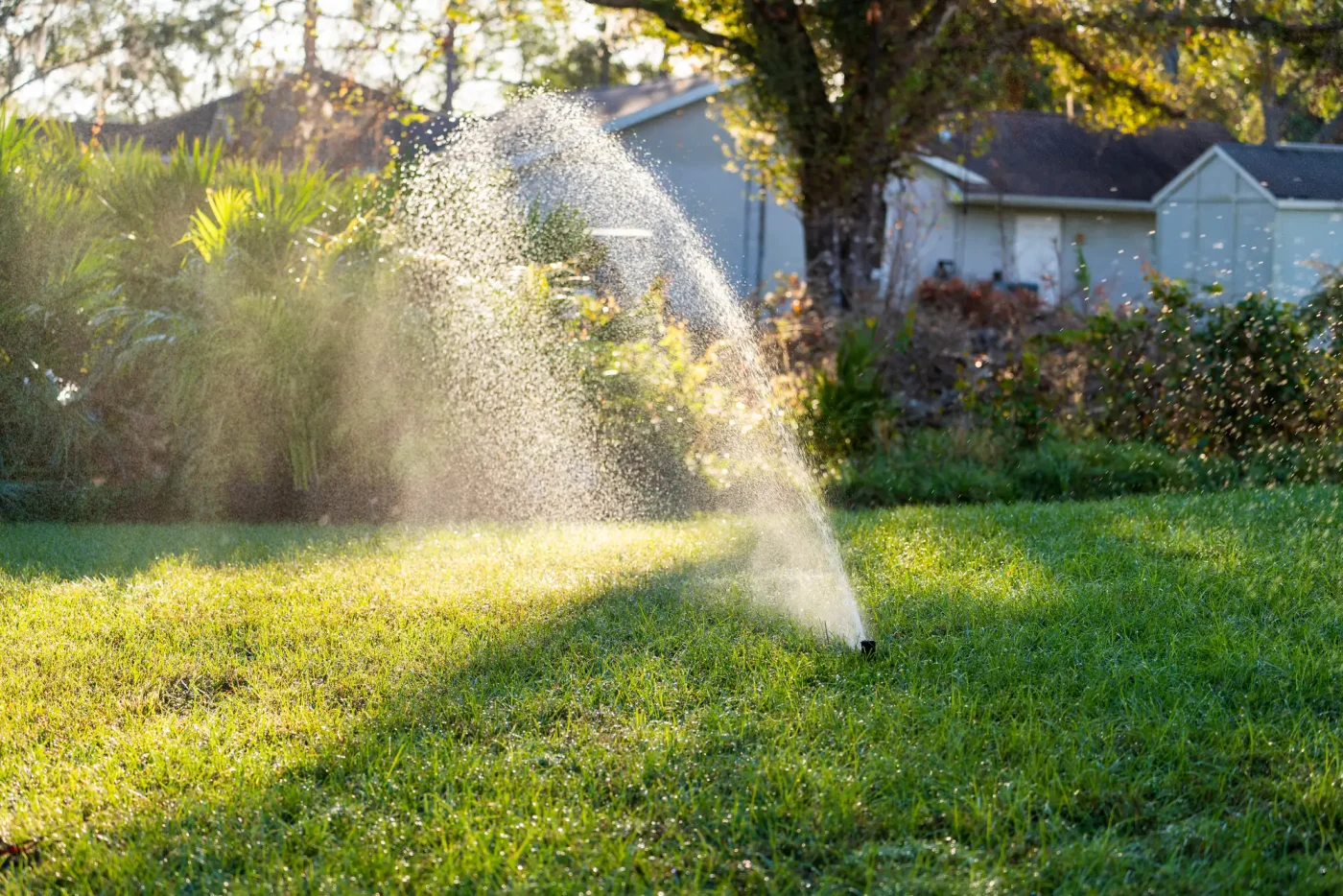
Several issues can create patchy watering patterns, and they’re usually fixable once you know what to look for. Sprinkler heads often settle or tilt over time due to landscaping equipment on wet soil, natural soil compaction, and foot traffic, leading to uneven water distribution, brown spots, misting, and runoff.
Lawn equipment, foot traffic, or simple wear and tear can damage sprinkler heads, causing them to let water leak out the side instead of properly spraying through the nozzles. When heads get knocked out of alignment, they might be watering your driveway instead of your grass.
Clogged nozzles are another common culprit. Your sprinkler heads are close to the ground, face-to-face with dirt and debris all day, so they’ll get blocked or clogged at some point, causing water pressure to decrease substantially. You’ll definitely notice when this happens.
The solution often involves cleaning, adjusting, or replacing the affected heads. Sprinkler heads can get knocked out of alignment by mowers or heavy foot traffic, clogged by debris, or stepped on by dogs with large paws, so regular inspection is key to catching these issues early.
How to Spot Coverage Problems Early
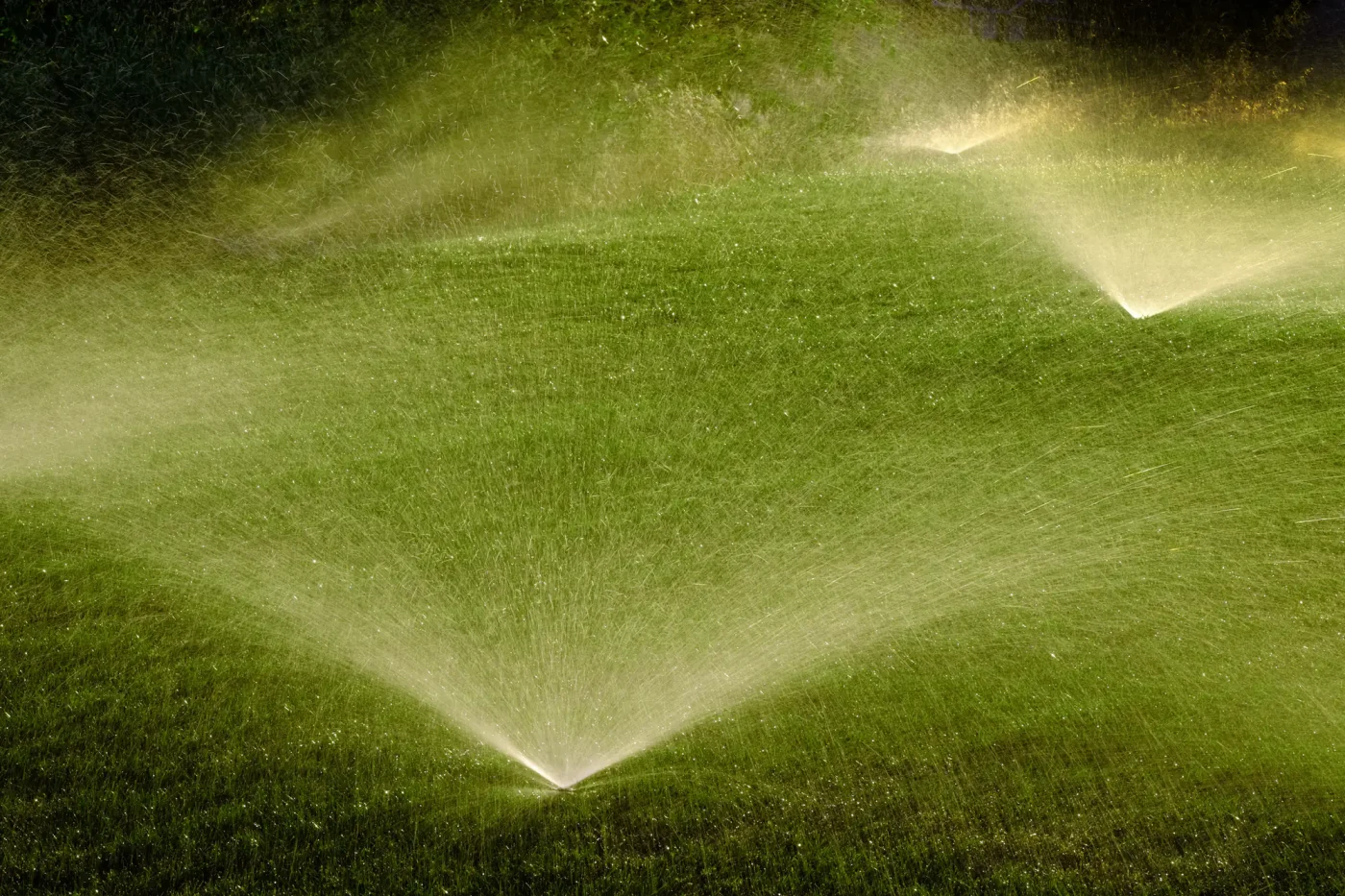
The easiest way to check your coverage is to walk your property while the system is running. Look for areas that aren’t getting water, places where multiple heads overlap too much, or spots where water is hitting hardscaping instead of plants.
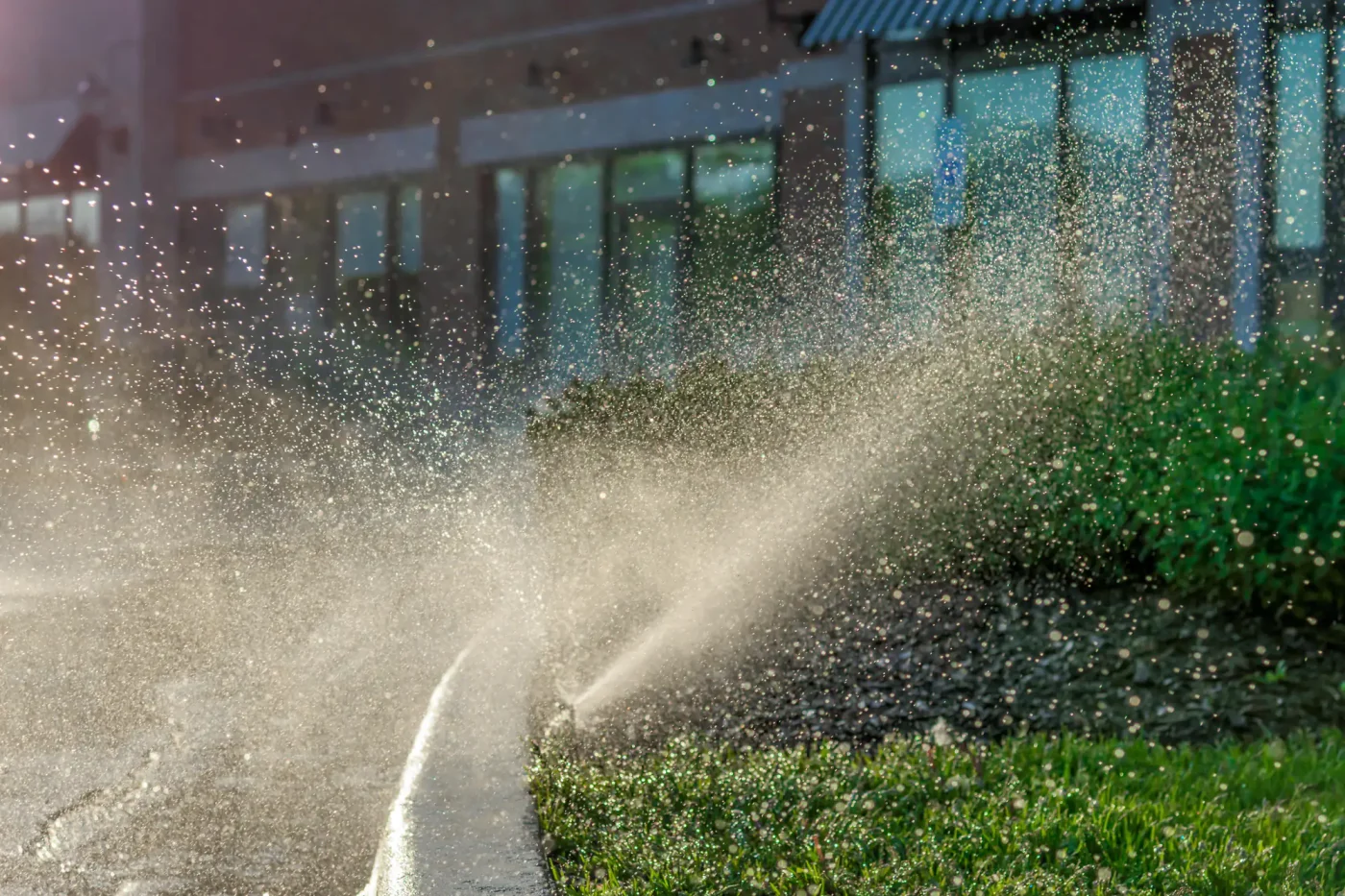
It would be difficult not to notice donut patterns and brown spots in the grass, plus ponding water, misting, and drifting can cause runoff to flow across sidewalks and driveways. These visual cues make coverage problems relatively easy to spot if you know what to look for.
Pay attention to your grass growth patterns too. If certain sections are growing faster or staying greener than others, despite getting the same amount of sun and fertilizer, your irrigation coverage is probably uneven. When fungus spreads or bare patches appear despite your best lawn care efforts, the problem may not be your grass – it may be your sprinklers.
Don’t ignore wet spots that seem to stay soggy long after irrigation cycles finish. These often indicate overwatering in specific zones, which can lead to fungal problems and wasted water. In Palm Beach County, where we’re limited to specific watering days and times, every drop counts.
High Water Bills and System Leaks
If you notice your water bills are significantly higher than previous months, you might have a leak – some water companies will notify you if they suspect a leak, but they won’t catch everything. Just one leaky water pipe can waste up to 129,600 gallons per month, turning a minor problem into a major expense.
A leak in your sprinkler system will reduce water pressure so the entire lawn can’t be watered properly, potentially creating dry patches alongside wet spots that lead to weeds, diseases, and costly water bills.
Common Types of Sprinkler System Leaks
The top cause of sprinkler system leaks is low head drainage, which occurs when the zone’s lowest head permits water to drain out of the lateral pipes and sprinkler. This type of leak can be particularly frustrating because water continues flowing even after your irrigation cycle should have stopped.
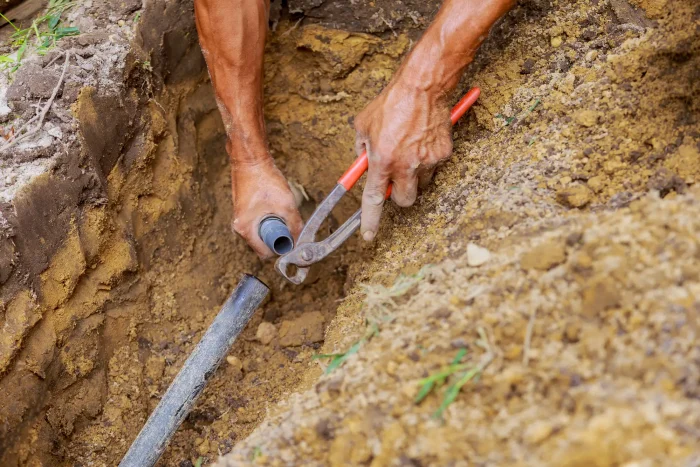
Underground line breaks are harder to detect but often show up as unusually wet or spongy areas in your yard. Leaking lines can be difficult to spot and might appear as bubbled up grass or be noticed through high water bills. These leaks can develop from root intrusion, soil settling, or simply aging pipes.
Valve leaks present their own challenges. Water typically leaks through a zone valve when debris blocks the valve diaphragm, and this can’t be remedied by a simple check valve installation. Professional diagnosis is usually needed to determine whether the valve needs cleaning or replacement.
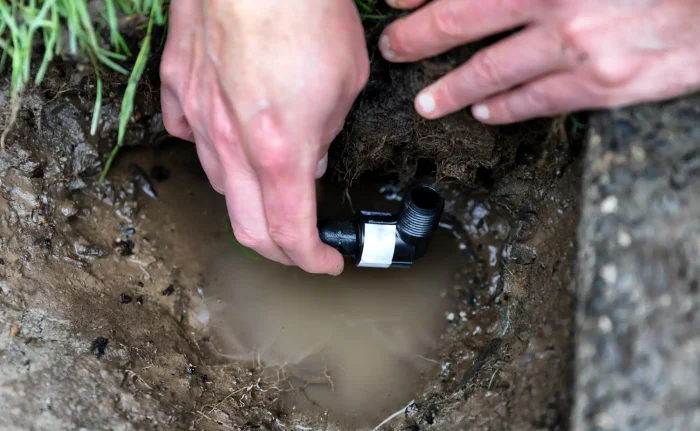
Broken sprinkler heads are often the most obvious type of leak. Broken sprinkler heads are one of the leading causes of wasted water because a broken head will spew water everywhere except where intended. The good news is these are typically straightforward to repair once identified.
When to Take Action on Suspected Leaks
Don’t wait to call sprinkler technicians after you discover a leak – the longer you wait, the worse the problem becomes. Time isn’t on your side when water is continuously flowing where it shouldn’t be.
If you find a leak, turn off the water supply immediately to reduce waste and potential damage. Most irrigation systems have a main shutoff valve near the water meter or backflow preventer that can stop water flow to the entire system.
There are different approaches depending on the issue – if water only leaks when the system is on, turn the controller to “off,” but if water leaks even when the system is off, you’ll need to shut off water to the sprinkler system completely using the backflow device.
Professional leak detection becomes essential when you suspect problems but can’t pinpoint the source. A technician will analyze your system to pinpoint the leak’s location and get right to work ending your water loss and high bills. In Palm Beach County’s regulatory environment, quick action on leaks isn’t just about saving money – it’s about water conservation and compliance with local restrictions.
Protecting Your Palm Beach County Landscape
Waiting to repair your irrigation system can lead to increased water bills, long-term lawn damage, and larger, more expensive repairs, plus with water restrictions in place in many parts of Central Florida, wasting water isn’t just bad for your wallet – it can get you fined.
The signs we’ve covered – uneven watering, high bills, visible leaks, and poor system performance – are your early warning system. Ignoring small sprinkler issues can result in high water bills and costly replacements in the long run. When you notice these red flags, reaching out to us means getting ahead of problems before they become disasters.
Your Palm Beach County landscape depends on consistent, efficient irrigation to thrive in our challenging climate. Professional diagnosis and repair keep your system running smoothly, your water bills reasonable, and your property looking its best year-round.